Meta's AI Chatbot May Get a Dedicated App Similar to Grok: Key Insights
Meta is reportedly in the process of developing a standalone app for its artificial intelligence-powered chatbot, Meta AI. This strategic move is aimed at creating a direct competitor to Google Gemini and OpenAI’s ChatGPT. According to a report by The Verge, the new AI app could be launched as early as the second quarter of this year. The objective is to enhance user accessibility beyond Meta’s existing platforms.
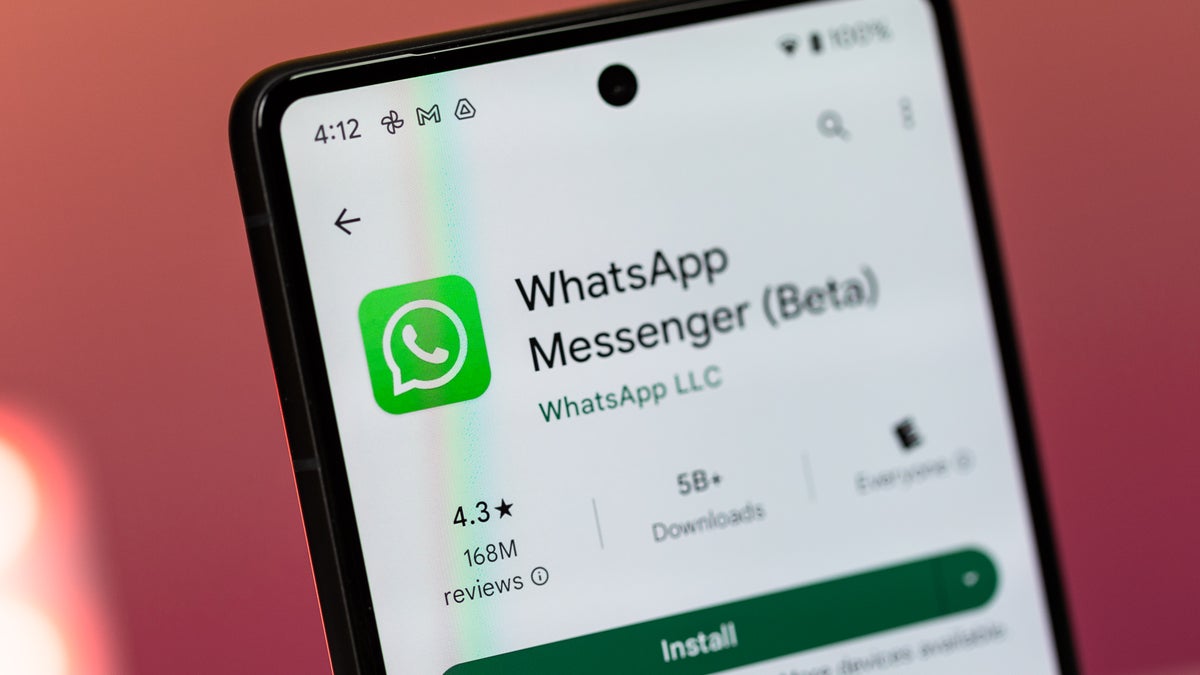
Meta AI is currently integrated into various Meta-owned platforms such as WhatsApp, Facebook, Instagram, and Messenger. While this integration has provided users with seamless AI-driven interactions within these apps, Meta recognizes the potential in offering a dedicated platform for users who may not be active on its social media services.
Standalone AI Apps in Demand
With the increasing popularity of AI-powered assistants, standalone AI apps have become sought after by users looking for focused and immersive AI experiences. The success of platforms like OpenAI’s ChatGPT and Google’s Gemini highlights the growing demand for AI assistants that offer natural conversations, problem-solving capabilities, and creative content generation. By introducing a dedicated Meta AI app, Meta aims to solidify its position in the competitive AI chatbot market.

Following Grok's Lead
Meta’s strategy mirrors a similar move by xAI, Elon Musk’s AI company, which recently launched a dedicated app for its chatbot, Grok. Initially exclusive to the social media platform X (formerly Twitter), the new app now allows users to engage with the AI independently of the social network.
Enhancements to Meta AI
Last month, Meta unveiled significant upgrades to Meta AI, including the introduction of Memory features. This enhancement enables the AI assistant to retain details from past conversations with users on platforms like WhatsApp and Messenger. These stored insights will help personalize future interactions, making the AI more intuitive and responsive to individual needs.
For example, if a user frequently discusses travel destinations, Meta AI could suggest vacation ideas based on past conversations. Similarly, for users interested in healthy eating, the AI could offer tailored meal recommendations based on stored dietary preferences.
Privacy Concerns and Data Access
In addition to conversation history, Meta AI will have limited access to user information from Facebook and Instagram profiles. This access will further refine the chatbot’s recommendations, providing hyper-personalized suggestions.
While these memory and data-access features promise a highly customized AI experience, they also raise concerns about privacy and data security. Meta has assured users that they will have full control over the stored data, including options to manage, delete, or limit AI memory access at any time.
Conclusion: Meta’s AI Expansion Strategy
Meta’s decision to develop a standalone AI app signifies a strategic shift in its AI approach. By separating Meta AI from its current platforms, the company aims to reach a broader audience, particularly users seeking independent AI assistants. With advanced memory features and personalized recommendations, Meta AI could become a significant competitor to platforms like ChatGPT and Google Gemini.