Human-AI Collaboration is the Future - Open Source For You
AI-augmented decision making is making a transformative impact across various fields, benefiting a range of industries. Artificial intelligence (AI) is evolving rapidly, with various technologies converging to create more sophisticated and versatile systems. The adoption of AI-augmented decision making has resulted in numerous benefits across various fields, including improved accuracy, efficiency, and cost savings. By leveraging AI algorithms to analyze vast amounts of data and generate actionable insights, organizations can make more informed decisions, optimize processes, and enhance productivity. Moreover, AI-driven predictive analytics enables proactive interventions and personalized solutions.
Transforming Industries with AI-augmented Decision Making
AI-augmented decision making has emerged as a transformative force across diverse fields, revolutionizing how organizations analyze data, make decisions, and achieve their objectives. As AI continues to advance, its impact on decision making is expected to grow, unlocking new opportunities and transforming industries in profound ways. Embracing AI-augmented decision making will be essential for organizations seeking to thrive in an increasingly competitive and data-driven world.
The Power of Human-AI Collaboration
Human-AI collaboration is a mutually beneficial association between intelligent machines and humans, in which both entities utilize their distinct capabilities to accomplish shared objectives. This approach emphasizes the complementary nature of AI and human capabilities, maximizing the combined abilities to improve decision-making, problem-solving, and innovation in various fields.
Innovation in Key Sectors:
Healthcare: In the healthcare sector, AI-augmented decision making has revolutionized diagnosis, treatment planning, and patient care.
Finance: In finance, AI plays a crucial role in risk management, fraud detection, and investment strategies.

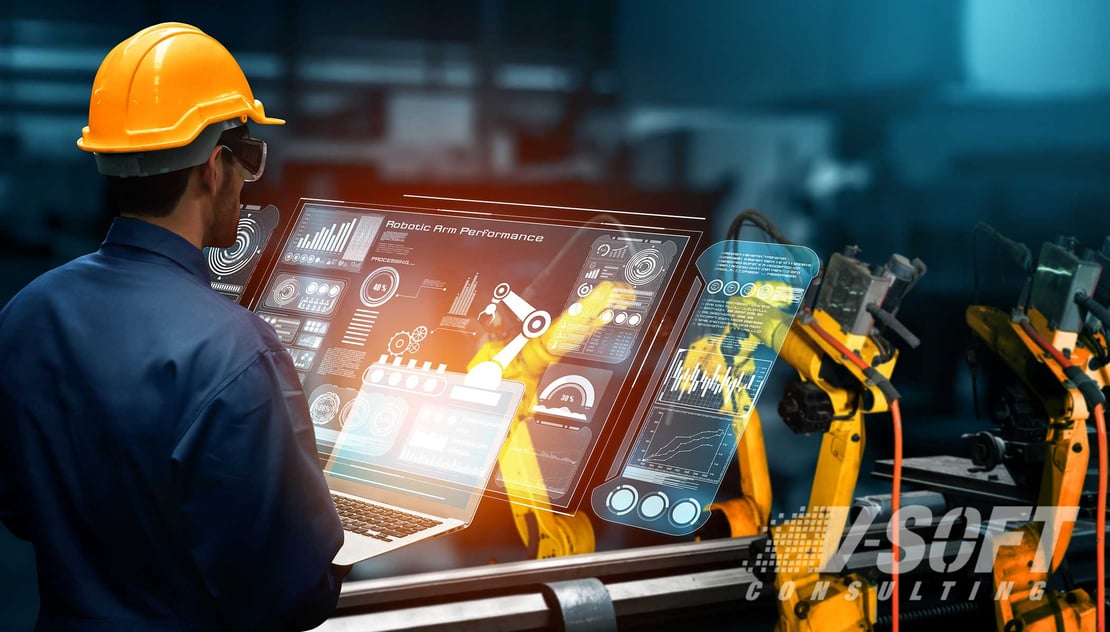
Manufacturing: AI-augmented decision making is transforming manufacturing processes, enabling predictive maintenance, quality control, and supply chain optimization.
Marketing and Retail: AI-driven analytics empower businesses to understand consumer behavior and personalize marketing campaigns.
Augmenting Human Creativity with AI:
The intersection of artificial intelligence and human creativity can augment and inspire innovation across various domains, such as AI-powered idea generation, assisting creative processes, collaborative innovation, predictive analytics for innovation, automating repetitive tasks, and enhancing decision making.
Fostering Collaboration and Addressing Challenges:
The collaboration between humans and AI presents social concerns that need to be addressed, including ethical dilemmas, privacy, data security, and AI bias. Establishing trust between human beings and AI systems is crucial for productive collaboration, emphasizing transparency, explainable AI algorithms, and inclusivity within AI development teams.
Evolution of Work with AI:
The relationship between AI and human labor is evolving to enhance and transform various aspects of work through AI-powered automation, augmented intelligence, personalized learning and development, collaborative intelligence, ethical considerations, human-centric design, reskilling, and adaptability initiatives.