Advertisers' guide to Google: Ad stats, Google Gemini, & how it all ...
New data sets, deeper insights, and flexible data visualizations. In-depth analysis, benchmarks, and shorter spotlights on digital trends. Interactive projections with 10k+ metrics on market trends, and consumer behavior. Proprietary data and over 3,000 third-party sources about the most important topics. Industry benchmarks for the most important KPIs in digital marketing, advertising, retail, and ecommerce. Client-only email newsletters with analysis and takeaways from the daily news. Exclusive time with the thought leaders who craft our research.
Google's Evolution and Business Units
From its inception as a search engine powerhouse to its diverse array of services under Alphabet, Google continues to shape the digital world. Google began as a search engine called Backrub in 1996, founded by Larry Page and Sergey Brin. Over the years, Google expanded its business and in 2015, Alphabet was established as its parent company, allowing Google to explore ventures beyond its core search business.

Google operates across various business segments, including Google Services, Google Cloud, and Other Bets. Google Services include consumer-centric services such as the search engine, video streaming, hardware, and advertising platforms. Google Cloud Platform offers cloud computing solutions, while Other Bets encompass ventures like life sciences and self-driving cars.
Google's Ad Formats and Market Share
Google offers a range of ad formats tailored to different marketing objectives and investments. It is the largest digital advertiser globally, commanding 27.7% of revenue share worldwide. Google's search ad spending accounts for more than half of total US search ad spending. However, with the rise of privacy regulations like Apple's AppTrackingTransparency, Google faces challenges in maintaining its market share.
YouTube, owned by Google, is experiencing significant growth in ad revenue and subscription revenue, making it a key player in the digital advertising landscape. With the introduction of new ad strategies like longer ad breaks on connected TVs, YouTube is adapting to meet viewer preferences and capture a larger share of the OTT market.
Google Gemini and AI Advancements
Google is at the forefront of generative AI and machine learning, driving innovations in personalized campaigns and automated optimization for marketers. In February 2024, Google rebranded its conversational AI tool Bard to Gemini, a more advanced AI model capable of processing various data types.
Gemini's adoption is expected to impact Google's search and assistant features, as well as potentially being integrated into other Google products like Pixel Buds. This move aligns with Google's strategy to leverage AI across its ecosystem for enhanced user experiences and advertising capabilities.
Cookie Deprecation and Privacy Sandbox
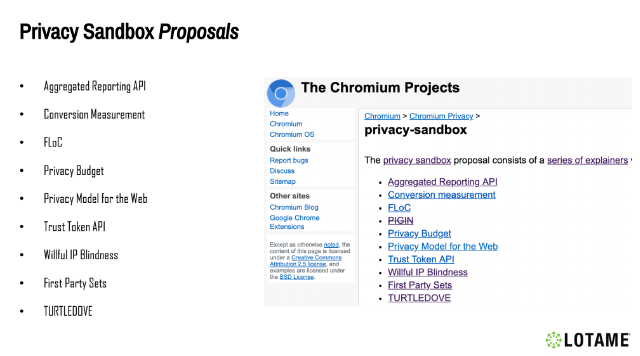
Google's commitment to deprecating third-party cookies by early 2025 has led to the development of the Privacy Sandbox, emphasizing user consent and data protection. The Privacy Sandbox includes features like Tracking Protection to limit cross-site tracking and promote more privacy-centric advertising practices.
Marketers and advertisers need to adapt to these changes by exploring alternative targeting methods such as first-party data utilization and contextual targeting. While some industry players are still reliant on third-party cookies, the shift towards privacy-focused advertising practices is inevitable in the evolving digital landscape.

Google's emphasis on user privacy and data protection reflects a broader industry trend towards more transparent and user-centric digital advertising strategies.