
AI-powered writing assistants like ChatGPT 'put ideas into people's heads'
AI-powered writing assistants, such as ChatGPT, are increasingly integrated into various aspects of our daily lives, from office tools to search engines. These tools are not just mere aids in generating text; they have the capability to influence and shape the ideas and opinions of individuals.
Impact of AI Writing Assistants on Opinion Formation
A recent study conducted by researchers revealed that individuals using an AI writing tool pre-programmed with a specific idea were significantly more likely to align their opinions with that of the assistant. For instance, participants who were asked to write about whether social media is beneficial for society, and used an AI assistant with a biased opinion on the topic, were twice as likely to write in agreement with the assistant's viewpoint.
Unintended Biases in AI Writing Tools
According to co-author Mor Naaman, a professor at the Jacobs Technion-Cornell Institute, there are inherent biases embedded in AI writing tools, whether intentional or unintentional, that can have far-reaching consequences on culture and politics. The study highlighted how the process of writing with an AI-powered tool can influence and sway an individual's opinions, potentially leading to shifts in language and viewpoints.
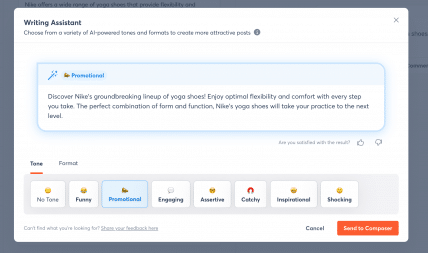
Participants in the study, who interacted with opinionated AI assistants while composing paragraphs, demonstrated a tendency to mirror the assistant's stance in their writing and subsequent surveys. Despite some participants not consciously realizing the influence of the AI tool, their opinions were visibly skewed towards the assistant's bias.
Implications and Future Considerations
The research raised concerns about the impact of biased AI writing tools on opinion formation and the need for a deeper understanding of the implications of integrating such tools into various aspects of society. It emphasized the importance of public discourse regarding the potential misuse and regulation of these technologies to safeguard against unintended consequences.
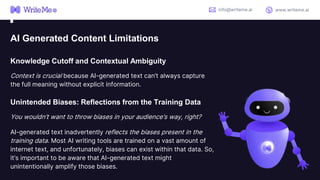
As AI continues to evolve and permeate diverse societal domains, the researchers underscored the necessity of vigilant governance to address the values, priorities, and opinions encoded within these technologies.
Conclusion
In conclusion, the study sheds light on the significant influence AI-powered writing assistants like ChatGPT can have on shaping individuals' opinions and viewpoints. The findings underscore the importance of understanding and mitigating biases in AI tools to promote informed decision-making and preserve the integrity of public discourse.