Google Establishes New Industry Group Focused on Secure AI Development
With the development of generative AI posing significant risks on various fronts, major players in the tech industry are continuously forming new agreements and forums to oversee AI development. These initiatives aim to foster collaborative discussions around AI projects and establish guidelines for monitoring and managing the process. However, some view these efforts as strategic moves to prevent stricter regulatory measures that could enhance transparency and impose additional rules on developers.
Coalition for Secure AI (CoSAI)
Google recently announced the formation of the Coalition for Secure AI (CoSAI), a new AI guidance group focused on advancing comprehensive security measures to address the unique risks associated with AI technology. This initiative builds upon Google's existing Secure AI Framework (SAIF), emphasizing the need for a security framework and applied standards that can keep pace with the rapid growth of AI.
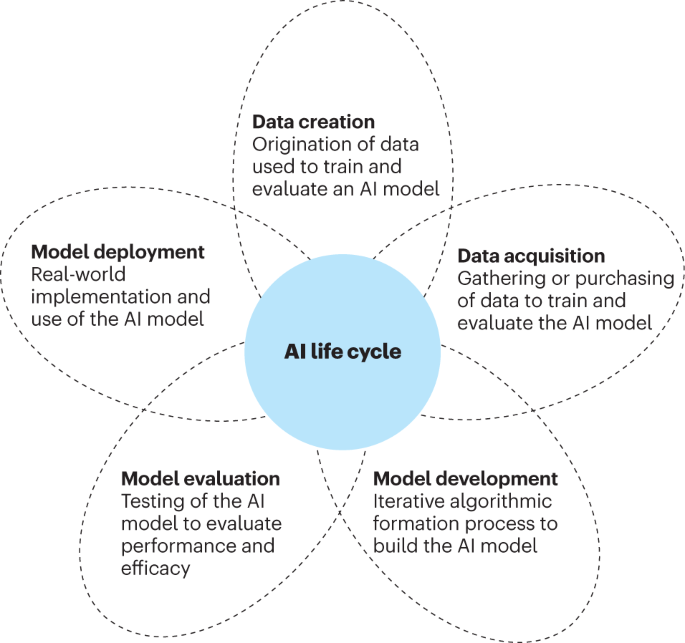
CoSAI aims to guide defense efforts in AI security development to prevent hacks and data breaches. Several prominent tech companies, including Amazon, IBM, Microsoft, NVIDIA, and OpenAI, have joined this collaborative effort to create open-source solutions ensuring enhanced security in AI development processes.
Industry Focus on Secure AI Development
Google's CoSAI is part of a broader trend in the tech industry, with various industry groups focusing on sustainable and secure AI development. These forums and agreements are designed to address different aspects of safe AI development, fostering a culture of adherence to established rules and standards within the AI community.

While these initiatives are not legally binding, they represent a collective commitment by AI developers to prioritize safety and ethical considerations. The industry's proactive stance on self-regulation is seen as a preemptive measure to avoid more stringent government regulations that may impose financial penalties for non-compliance.
Regulatory bodies in regions like the EU are already assessing the potential risks of AI development and considering regulatory frameworks such as the GDPR. However, the process of implementing and enforcing comprehensive regulatory measures often takes time, leading industry players to proactively set guidelines and norms for AI development.
While industry-led initiatives may not be a substitute for formal regulations, they serve as a crucial step towards fostering a culture of responsible AI development. As the tech industry continues to innovate and evolve, collaborative efforts like CoSAI play a vital role in ensuring the secure and ethical advancement of AI technology.