Guarding Election Integrity Against Misinformation
Your digital subscription grants you access to a wealth of content from all our regional websites, including unlimited digital versions of our print editions such as Today's Paper.
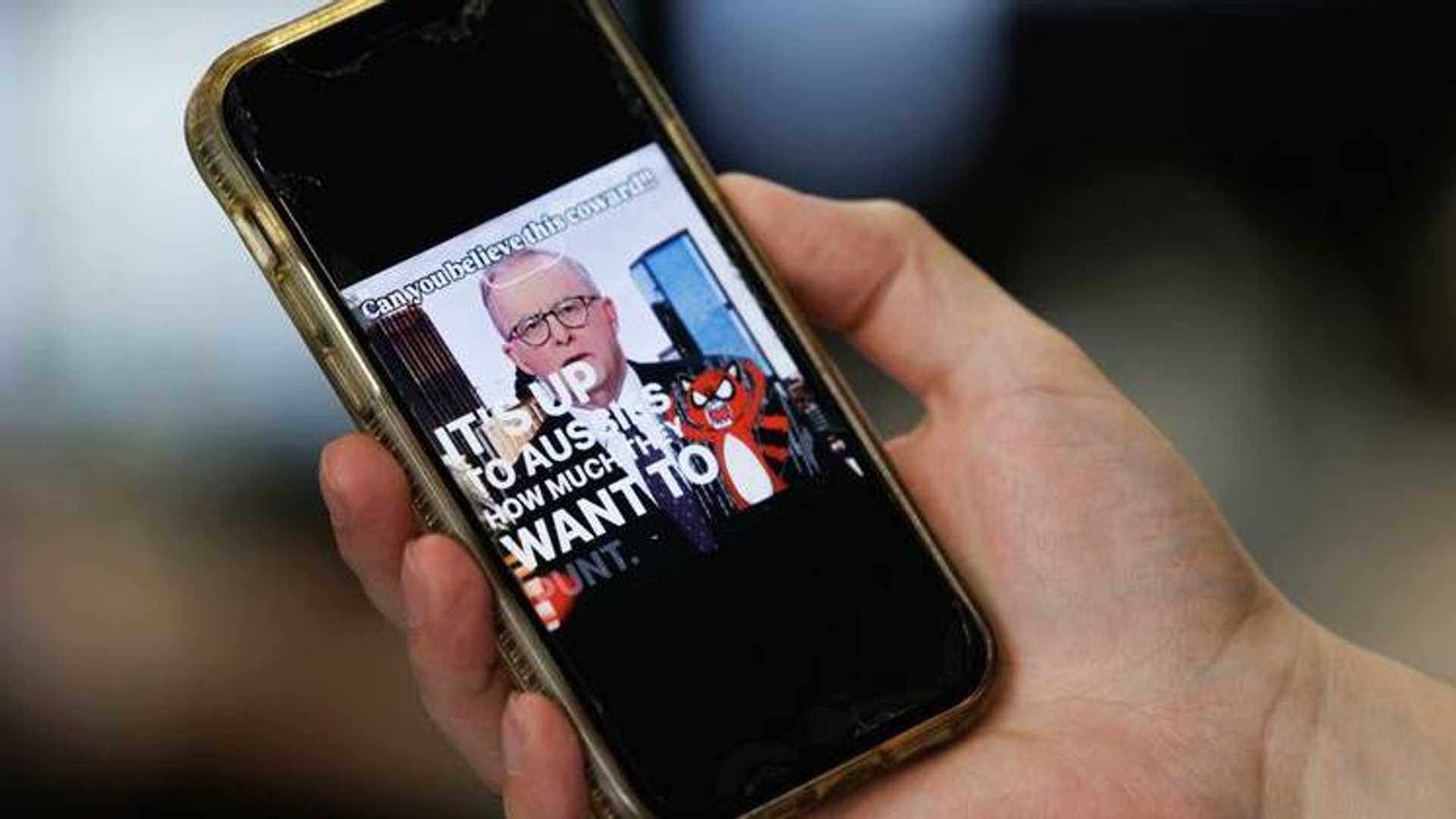
As Australia gears up for its upcoming election, major social media platforms are taking proactive measures to combat potential voting interference and the spread of misinformation during the political campaign.
To continue reading, please or sign up.
Meta's Role in Safeguarding Elections
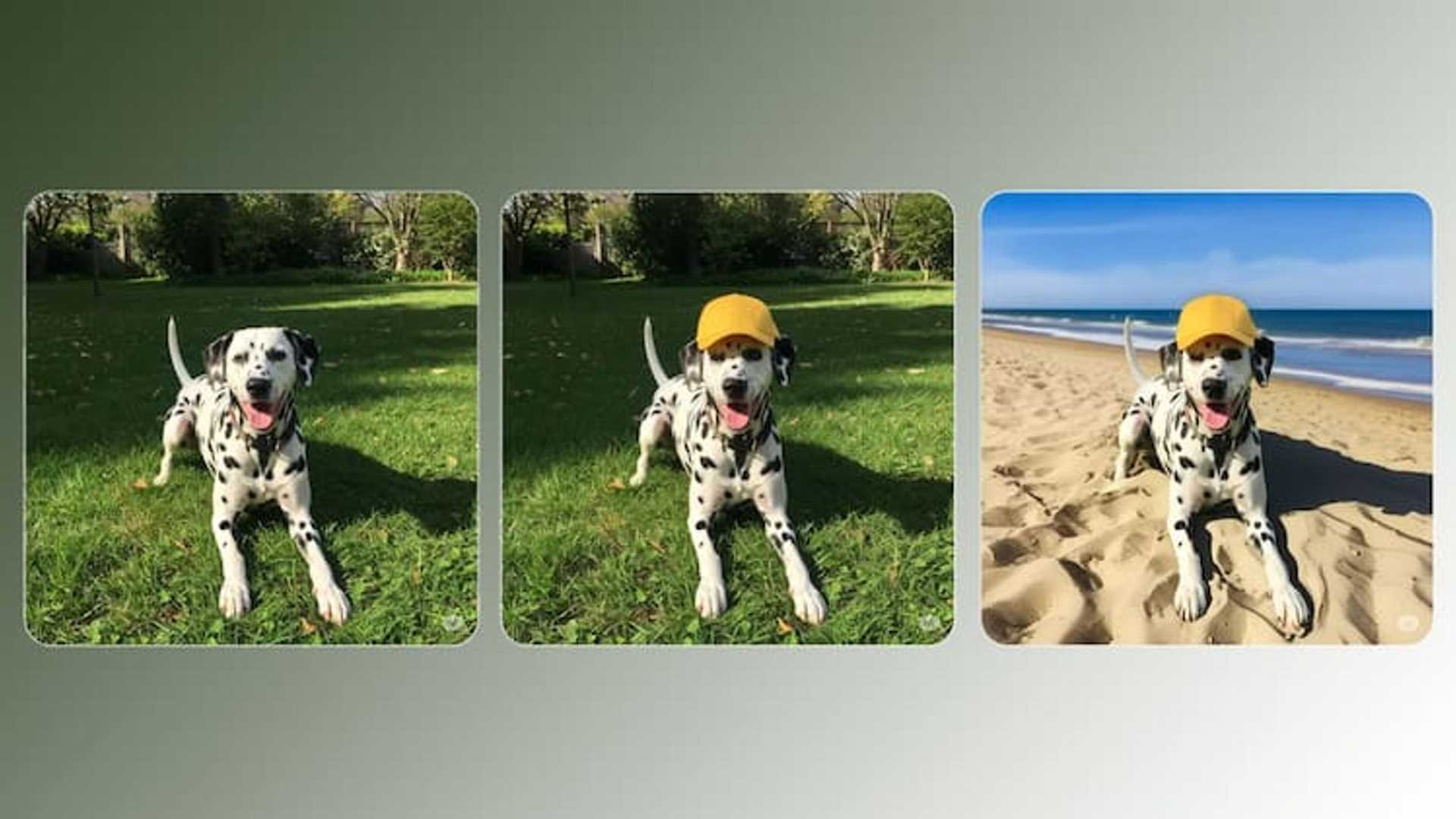
Meta, the parent company of Facebook, Instagram, and Threads, has announced new guidelines to address the rising concerns surrounding artificial intelligence-generated content and deepfakes. In a bid to enhance transparency, posts created by AI or digitally altered will now be required to carry a disclaimer.
This move comes in response to the growing threat of deepfakes - sophisticated manipulations of images, videos, or audio that are increasingly difficult to distinguish from reality. Meta's new policy aims to prevent the dissemination of disinformation and fake news during the election period.
According to a recent announcement by Meta, photorealistic content in ads generated by Meta's AI will be clearly labeled. Additionally, images posted by users on Facebook, Instagram, and Threads from various platforms like Google, OpenAI, Microsoft, Adobe, Midjourney, and Shutterstock will also carry identifiable labels.
Combatting Deceptive Content
To address the issue of altered media that poses a high risk of deceiving the public, Meta will introduce more prominent labels on such content. Advertisers failing to comply with these guidelines will have their ads rejected, and repeat offenders will face penalties.
Meta further mandates that advertisers running campaigns related to social issues, elections, or politics must include authorizations, including a "paid for by" disclaimer. These authorizations are accessible in Meta's publicly available library.
Protecting the Integrity of Elections
Meta is actively engaging with candidates and political parties through training sessions to ensure compliance with the necessary authorizations during the election campaign.
Reflecting on global election scenarios, Meta's analysis indicates that concerns regarding the widespread dissemination of deepfakes and misinformation have not materialized significantly. The company found that AI-generated misinformation related to social issues, elections, and politics accounted for less than one percent of fact-checked content.
Meta has also intensified efforts to thwart coordinated foreign influence operations, having dismantled over 200 such networks since 2017. The company acknowledges the constant challenges posed by deceptive campaigns that attempt to evade detection.
Ensuring Information Accuracy
In collaboration with fact-checking agencies like Agence France-Presse and Australian Associated Press, Meta is working to verify content and limit the distribution of debunked posts by attaching warning labels. This proactive approach aims to minimize the visibility of misinformation.

Additionally, Meta is partnering with the Australian Electoral Commission to provide users with verified information across its platforms. Users can expect reminders to vote on election day, facilitating civic engagement.
Stay informed by signing up for our newsletter.
Protecting your data is our priority. Learn more about our Privacy Policy.