Investigating ChatGPT Search: Insights from 80 Million Clickstream ...
Generative AI is quickly reshaping how people search for information. A recent Statista and Semrush Trends report indicates that the generative AI market was valued at $67 billion in 2024 and is expected to grow annually by 24.4% through 2030. This growth is making waves in the search engine sector, where platforms like ChatGPT enable more conversational and context-aware search experiences.
Exploring ChatGPT Impact on Website Traffic
In a previous SearchGPT study, it was found that when compared to Google and Bing, SearchGPT tended to return smaller domains in its results, hinting at a shift in how users could discover new content. OpenAI has since retired “SearchGPT” in favor of ChatGPT’s integrated search feature, which we now refer to as ChatGPT or ChatGPT Search throughout this article.
Though traditional search engines like Google still receive the bulk of search traffic, ChatGPT introduces a fresh approach to searching for information. These changing behaviors inspired an investigation into ChatGPT’s impact on website traffic and digital marketing. By analyzing millions of clickstream records, insights were gained on how AI-driven search affects both traffic distribution and user navigation patterns.
Analysis of Clickstream Data
Clickstream data is the digital trail of a user’s activity as they navigate through websites, apps, or other digital platforms. This captures detailed information about user interactions, such as the sequence of pages visited, time spent on each page, and referral sources. Semrush analyzed more than 80 million lines of global clickstream data from the second half of 2024 to identify how people interacted with ChatGPT.

From this analysis, it was observed that ChatGPT sent traffic to less than 10,000 unique domains in a single day in early July. However, this number expanded dramatically by November, reaching over 30,000 unique domains in a day, demonstrating ChatGPT's rapidly expanding role in directing users across the internet.
Understanding User Interactions with ChatGPT
When comparing how people interact with ChatGPT versus traditional search engines like Google, it was found that users are experimenting with more creative requests or asking questions that don’t fit the standard keyword approach. Users engage with ChatGPT in both modes—leveraging its built-in capabilities and its ability to access live web data.
Unique Search Intent with ChatGPT
ChatGPT prompts consist of unique queries rarely seen in standard search engines, suggesting users are finding new ways to solve problems and gather information. The search intent of ChatGPT queries differs from traditional categories, indicating a shift in how people use AI for information retrieval.
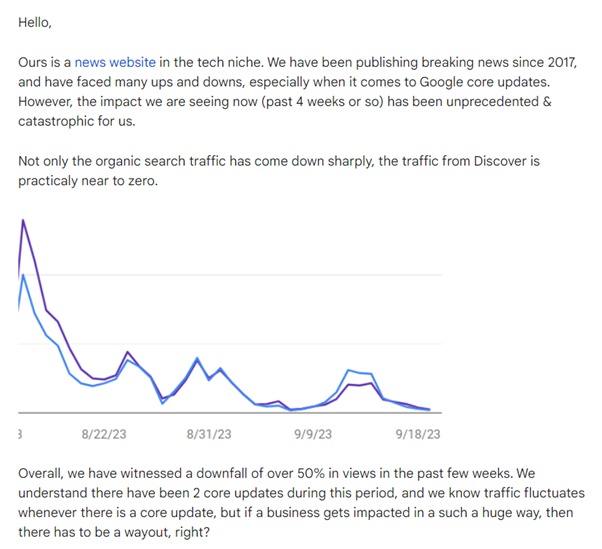
Only 30% of ChatGPT prompts in the dataset could be identified as one of the traditional search intent categories, with the remaining 70% representing entirely new types of intent. This variation highlights the pioneering ways users are seeking information through ChatGPT.
Impact on Traffic Distribution
ChatGPT's evolving search capabilities are reshaping traffic distribution across the web. Domains that receive more traffic from ChatGPT compared to traditional search engines are beginning to emerge, indicating shifts in user behavior and new opportunities in AI-driven search trends.
As ChatGPT continues to develop, we anticipate even greater changes in how users discover and engage with online content. This evolution poses challenges and opportunities for SEOs and marketers to adapt their strategies to the unique intents and interactions facilitated by ChatGPT.