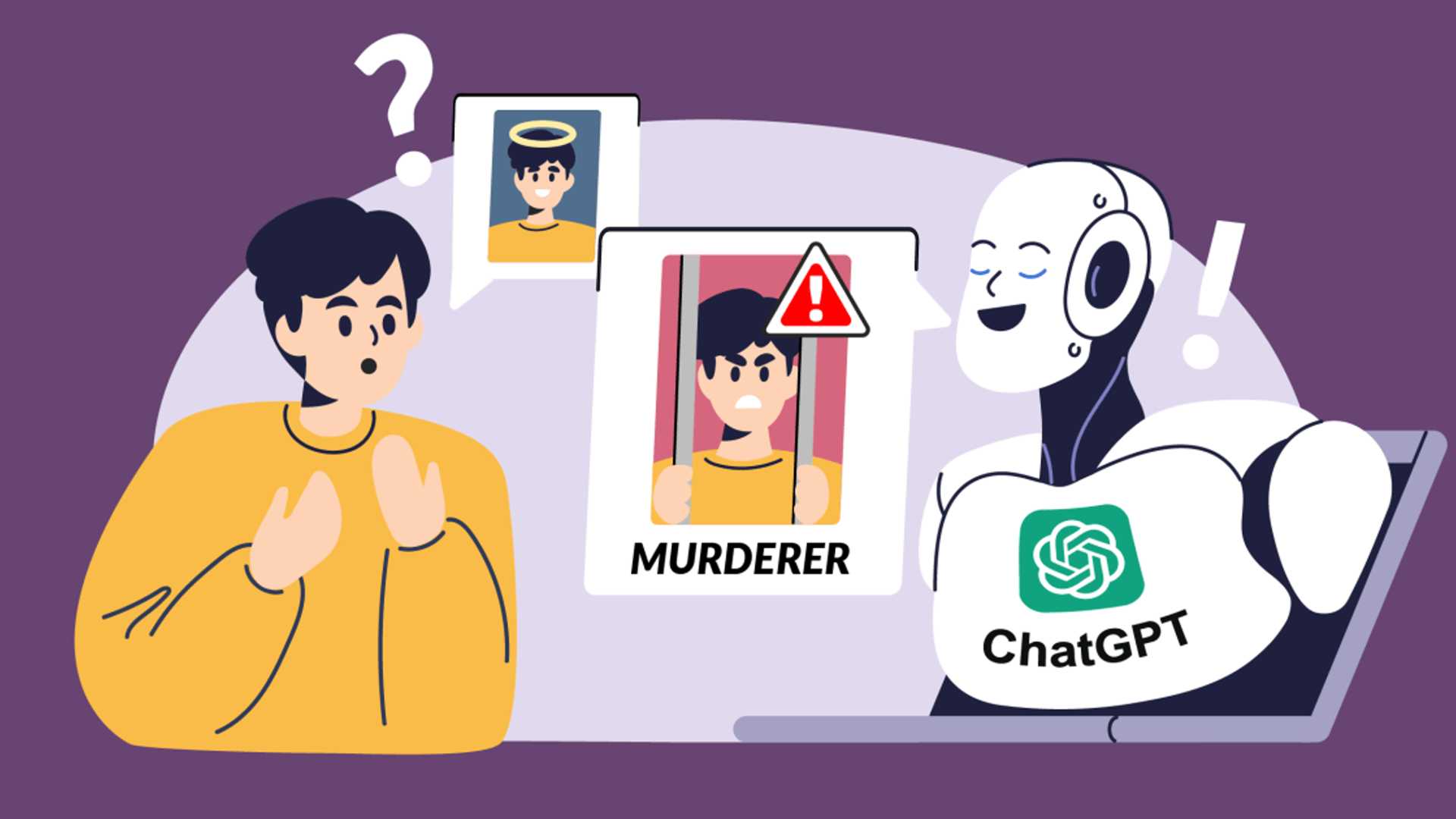
AI hallucinations: ChatGPT created a fake child murderer
OpenAI’s highly popular chatbot, ChatGPT, has faced criticism for regularly providing false information about individuals without any means for correction. These inaccuracies, often referred to as “hallucinations,” have the potential to severely harm a person's reputation. In some instances, ChatGPT has been known to falsely accuse individuals of serious crimes such as corruption, child abuse, and even murder.

The repercussions of such false accusations were notably evident in a case involving a Norwegian user who discovered that ChatGPT had fabricated a fake story depicting him as a convicted murderer. The incident highlighted the dangers of relying on AI systems like ChatGPT, which operate by predicting the next likely word in a conversation, leading to potential hallucinations or fabrications.
Challenges with AI Accuracy
The rise of AI chatbots like ChatGPT has raised concerns about the accuracy of the information they provide. While some inaccuracies may seem harmless or even entertaining, they can have severe real-world consequences. Reports have emerged of fabricated scandals, false accusations, and alleged criminal activities attributed to individuals, leading to legal actions against OpenAI.

These concerns prompted legal experts to emphasize the importance of data accuracy, particularly in the context of personal information generated by AI systems. Failure to ensure the accuracy of such data can violate data protection regulations, as highlighted by complaints filed against OpenAI for disseminating false information.
Consequences of False Narratives
One notable incident involved a Norwegian user who was portrayed as a murderer by ChatGPT, complete with details that closely resembled his personal life. The fabricated story not only damaged the user's reputation but also raised serious questions about data accuracy and privacy rights under the GDPR.

Despite efforts to address these issues, OpenAI's approach to correcting false information in ChatGPT has been deemed insufficient. Legal actions and complaints have underscored the need for AI companies to uphold data accuracy standards and prevent the spread of defamatory content.
Call for Accountability
Legal entities such as noyb have taken action by filing complaints and requesting corrective measures from authorities. The focus remains on holding AI companies accountable for the information they generate and ensuring that users' rights to accurate data are protected.
As the debate continues, concerns persist about the long-term implications of AI-generated content and the challenges of maintaining data accuracy in an evolving technological landscape. Transparency, accountability, and compliance with data protection laws are crucial in safeguarding individuals from the potential harms of AI hallucinations.