Google is fully committed to Gemini and is saying goodbye to the Voice Assistant
Google has recently announced its decision to discontinue the existing Voice Assistant and replace it with its own AI assistant named Gemini. This change is expected to take place later this year, with Gemini gradually taking over the responsibilities of the current Voice Assistant.
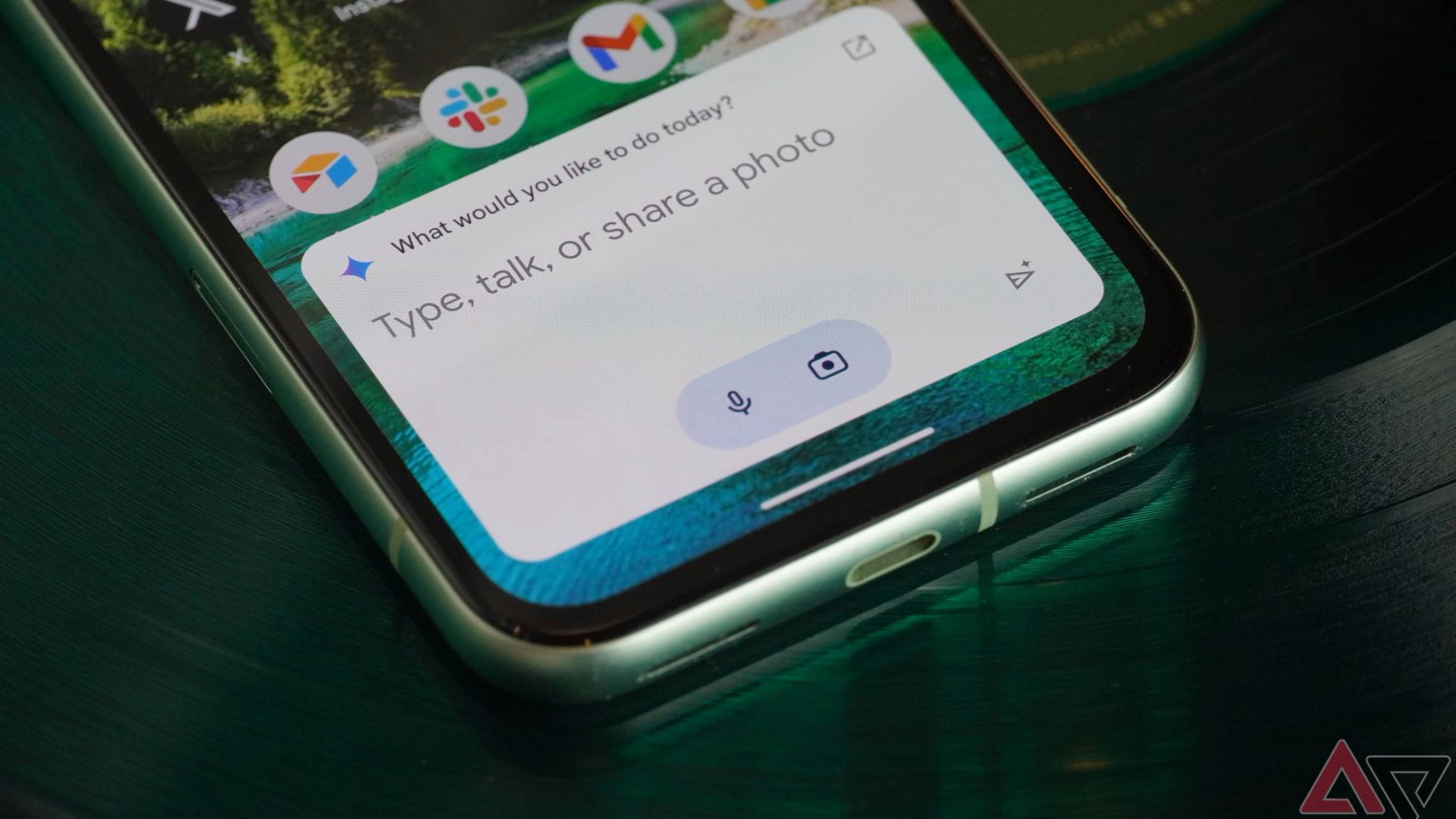 The Google Assistant was initially introduced in 2016 at Google I/O, revolutionizing the way users interact with technology by providing natural language recognition and processing capabilities. While the Voice Assistant excelled at continuing conversations based on previous queries, its functionalities were limited compared to the advanced capabilities offered by artificial intelligence (AI).
Transition to Gemini
Google's Gemini app has been available for installation in Germany since June 2024, allowing users to experience the benefits of AI on their Android smartphones. Moving forward, Google plans to make Gemini the default assistant on compatible devices, including smartphones, tablets, cars, speakers, and televisions. The transition to Gemini aims to enhance user experience and make devices smarter and more efficient.
 With the classic Google Assistant being phased out by the end of 2025, users will be encouraged to switch to Gemini for a seamless AI experience. New smartphones are already being shipped with Gemini as the primary assistant, ensuring a smooth transition for users.
Challenges and Considerations
While the system requirements for Gemini are relatively moderate, not all devices may be able to support the new AI assistant. Google is actively working on ensuring that connected devices, such as speakers, displays, and televisions, receive the necessary updates to integrate Gemini. The company has promised to provide further updates on this matter in the upcoming months.
 Despite the advancements in AI, transitioning to Gemini may pose some challenges for users. Tasks that were previously handled effortlessly by the Voice Assistant, such as setting wake-up calls, may require adjustments with the new AI. Additionally, tests have shown varying results in Gemini's performance, highlighting the need for continuous improvements in AI technology.
As Google continues to invest in Gemini and enhance its capabilities, users can expect a more personalized and efficient AI assistant that caters to their needs. The future of voice assistance lies in advanced AI technology, and Google is at the forefront of this evolution with Gemini.
For more information on Google's transition to Gemini and updates on AI integration, you can refer to the official blog post.