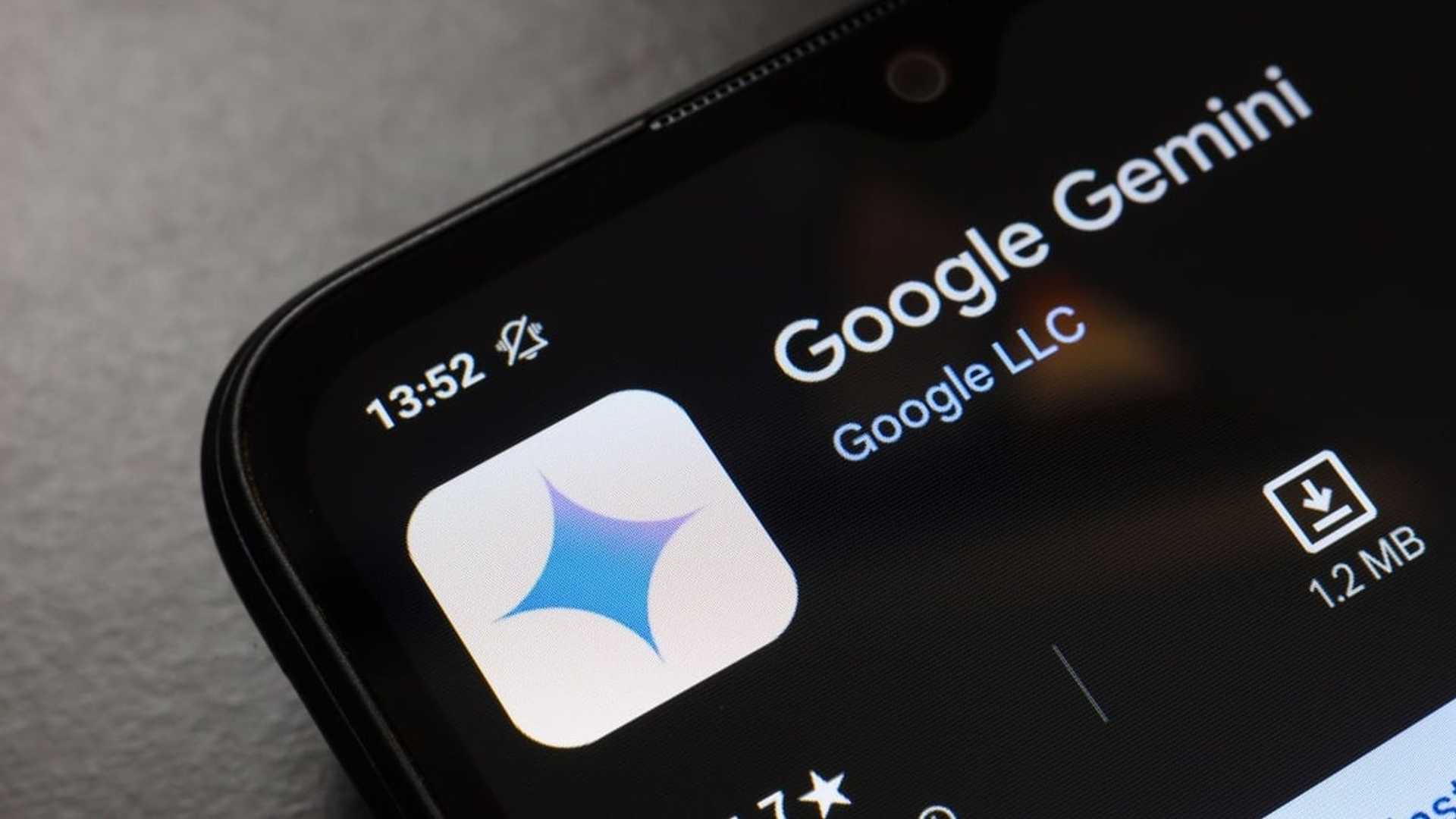
It sure looks like Google is prepping its controversial AI mode for primetime. This week, some Google users noticed an AI Mode button showing up instead of Google's iconic "I'm feeling lucky" button on the homepage. And today, a Mashable reporter spotted "AI Mode" appearing as an option on search results pages, alongside stalwart Google tools like News, Shopping, Images, and Videos. Notably, this reporter did not proactively sign up to participate in AI Mode through Google Labs. That suggests Google is testing the feature for select users.
Impending Release of Google's AI-powered Search Tool
This suggests a widespread release of its AI-powered search tool is coming soon. Maybe at Google I/O next Tuesday? Google has been testing AI search features ever since OpenAI and ChatGPT started siphoning away searchers, particularly younger searchers. And that's just one of many new developments from Gemini-land. Like pretty much every other week, a lot happened in AI news this week.
AI Developments Across Various Sectors
So, we've rounded up the biggest stories and most important AI developments in products, business, politics, and... Catholicism. Here's our recap of AI news this week. xAI's Grok chatbot went off the rails this week, responding to X users with completely unprompted musings about "'white genocide' in South Africa." The company said it was due to an "unauthorized modification" and promised to do better next time.
Recent AI Innovations and Launches
 Coincidentally, xAI leader and Grok power user Elon Musk has been repeatedly tweeting about the subject. Even OpenAI CEO Sam Altman joined the ongoing pile-on. In OpenAI's world, the company brought GPT-4.1 to ChatGPT "by popular request." Initially, it was only available through the API. Now it's available to ChatGPT Plus, Pro, and Team users, with Enterprise and Edu access rolling out soon and GPT-4.1 mini for free users. On Friday, OpenAI also launched a preview version of Codex, a coding agent for engineers, optimized for software engineering.
Google's Integration of Gemini with Android OS
Google held a pre-I/O event for Android news. The main takeaway is that Google is bringing Gemini to Android operating systems in smart watches, cars, and TVs. There's probably no better fit for image-to-video generation than TikTok, and it has released a new feature called AI Alive, which is being positively reviewed.
Upcoming AI Developments in Audiobooks and Narration
Last but not least, prepare to hear a lot more AI-generated narration with your Audible books. Its parent company Amazon announced this week that it's partnered with publishers to "expand [its] catalog with AI narration."
AI's Impact on Politics and Foreign Affairs
This was also a big week for artificial intelligence in politics and foreign affairs. OpenAI is reportedly already making moves on its global AI infrastructure plans. Bloomberg reports that it is "considering building new data center capacity in the United Arab Emirates." Meanwhile, OpenAI CEO Sam Altman and other tech billionaires joined President Donald Trump in Saudi Arabia.
Challenges and Roadblocks in AI Development
 While business activities unfolded in the Middle East, reports surfaced that OpenAI's Stargate Project to build AI infrastructure in the U.S. has faced obstacles. Plans have reportedly been held up by Japanese investor SoftBank over tariff-related concerns. Microsoft and OpenAI are also renegotiating their partnership terms to navigate through evolving interests.
Current AI Policy and Regulations
House Republicans proposed a ten-year moratorium on states introducing their own AI regulations, as reported by 404 Media. The U.S. Copyright Office published a report favoring copyright holders over AI companies, leading to various responses and actions within the AI landscape.
Acknowledging AI Challenges
Pope Leo XIV highlighted the challenges posed by AI in his first address to the College of Cardinals, emphasizing the importance of addressing new challenges for the defense of human dignity, justice, and labor. His name choice pays tribute to Pope Leo XIII, linking past advocacy for workers' rights and social reform to the current AI landscape.