Google Gemini AI Redefines Visual Processing—Here's How It ...
In a groundbreaking development, Google’s Gemini AI has accomplished a feat previously deemed unattainable: the simultaneous processing of live video streams and static images. This achievement represents a pivotal moment in AI evolution, promising to redefine how artificial intelligence interacts with visual data.
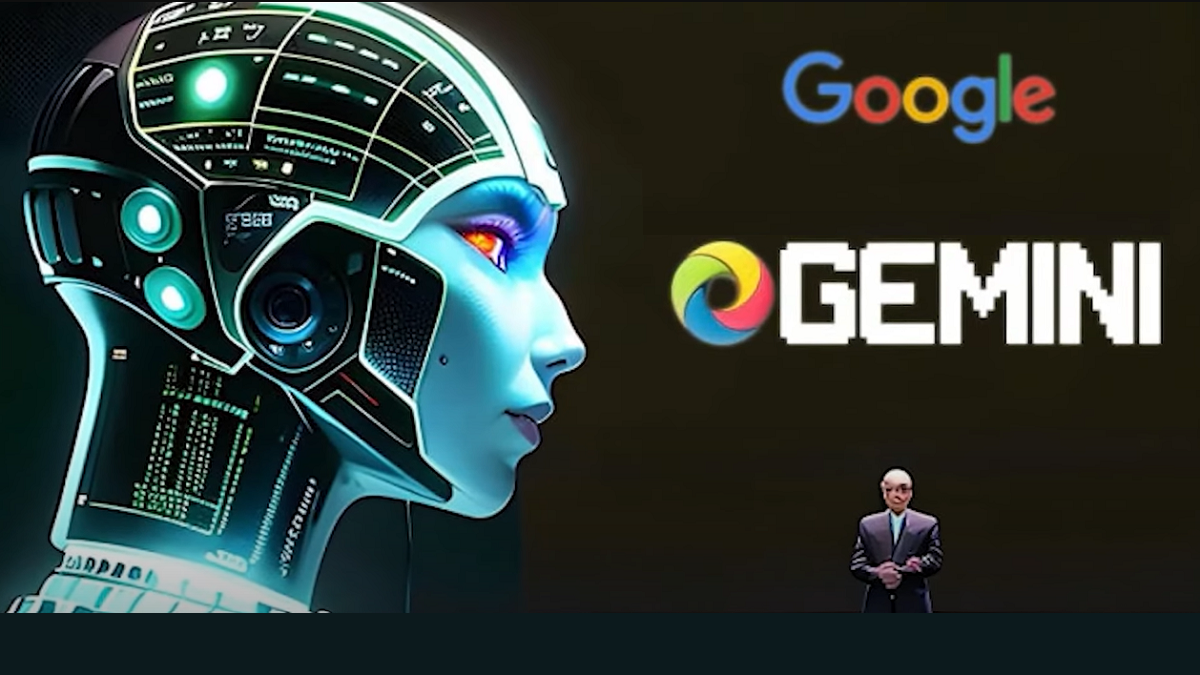
The breakthrough, unveiled via an experimental platform called AnyChat, highlights the untapped potential of Gemini’s architecture while raising questions about Google’s strategic choices in deploying this technology. Until now, AI systems have been constrained to single-stream processing, capable of handling either live video feeds or static images, but not both at once.
Multi-Stream Processing Breakthrough
Google’s Gemini AI has transcended this limitation thanks to its advanced neural architecture. This simultaneous multi-stream processing marks a significant departure from existing AI capabilities, including those of other leading platforms such as OpenAI’s ChatGPT.
The breakthrough was showcased through AnyChat, an experimental platform developed at Gradio. By leveraging specialized allowances from Gemini’s API, AnyChat optimized the AI’s attention mechanisms to handle multiple visual inputs in real-time.
Implications Across Industries
The application allows users to engage in real-time conversations with Gemini AI while simultaneously providing it with both live video and static image inputs. The practical implications of Gemini’s new capabilities span multiple industries:
- Students can receive tailored, real-time guidance in subjects like mathematics or science by referencing textbook content while pointing their cameras at problems.
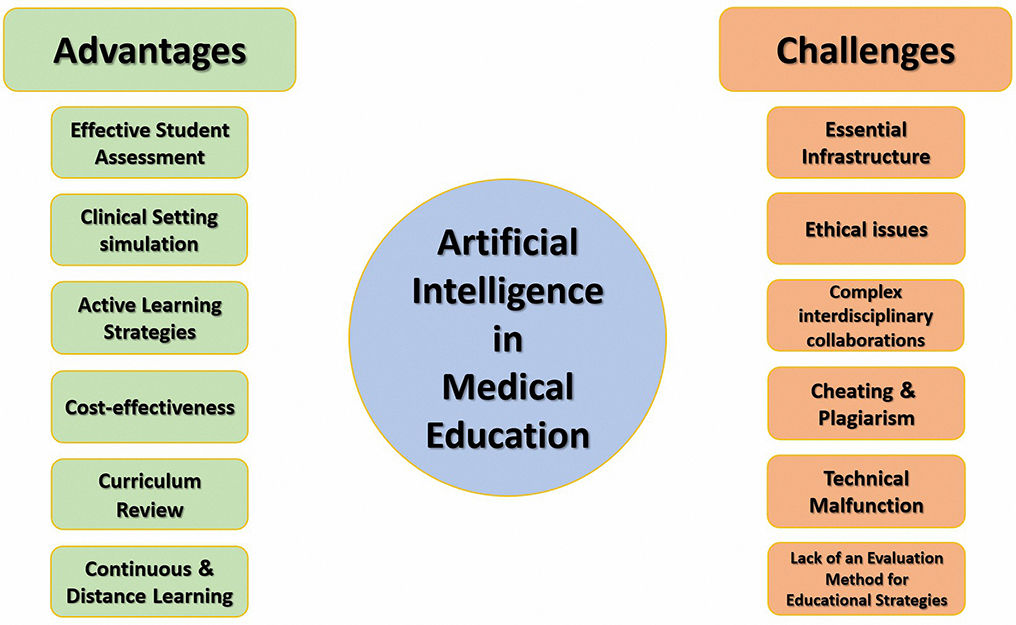
- Medical professionals could enable faster and more accurate diagnoses by simultaneously analyzing live patient symptoms and historical diagnostic images.
- Artists and designers now have the option to showcase ongoing projects alongside reference materials, allowing AI to provide nuanced feedback on composition, style, and other creative aspects.
- Engineers can enhance accuracy and efficiency by monitoring live equipment performance while comparing it against technical schematics or production standards.

Future of AI Innovation
This achievement raises critical questions about the dynamics of AI innovation. The absence of multi-stream processing in Google’s flagship AI tools suggests a strategic or resource allocation choice, though it might also reflect an intentional delay in rolling out such features.
AnyChat’s success underscores the importance of smaller, agile teams in driving AI innovation. By exploring untapped possibilities within Gemini’s architecture, developers have proven that groundbreaking advancements aren’t limited to tech giants.
While the breakthrough is promising, challenges remain. The road ahead for Gemini and AnyChat is both exciting and uncertain. Whether Google will fully embrace this capability in its official offerings remains to be seen, but the implications for the future of AI are undeniable.
For more news and trends, visit AI News on our website.