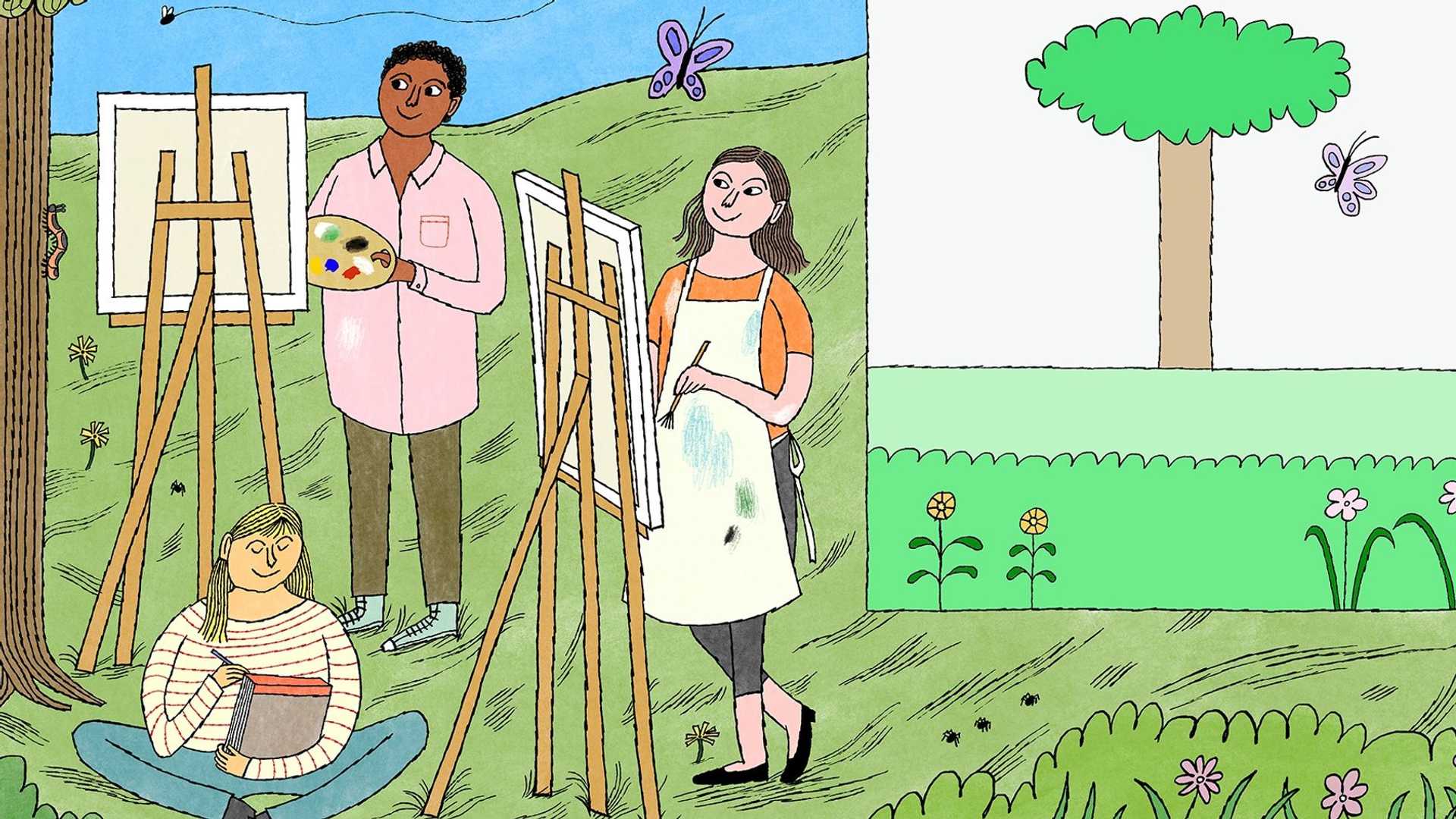
Generative AI like ChatGPT, DALL-E, and Sora can't replace human ...
If you look at art and all you see is content, that’s all you’ll get out of it.
Artificial intelligence has long been hailed as a great “equalizer” of creativity, finally putting the ability to create art in all of its myriad forms into the hands of the tech-savvy. Not a creative person? Not an issue.
“The reason we built this tool is to really democratize image generation for a bunch of people who wouldn’t necessarily classify themselves as artists,” said the lead researcher for DALL-E, which turns text prompts into images. Sam Altman, founder of OpenAI, wrote in his book that generative AI will one day account for 95 percent of the work that companies hire creative professionals to do: “All free, instant, and nearly perfect. Images, videos, campaign ideas? No problem.” Or, as another AI startup founder put it: “So much of the world is creatively constipated, and we’re going to make it so that they can poop rainbows.”
The Impact on Art and Artist
But it is a problem for actual artists, and for anybody who cares and thinks deeply about the words, images, and sounds we consume every day. With any promise of disruption comes the reasonable fear that its replacement will be worse, both for the creative professionals who rely on artmaking for their livelihoods and for people who enjoy reading well-written works, who take pleasure in thoughtful visual art, who watch movies not solely to be entertained but because of the surprising, life-affirming, or otherwise meaningful directions a good film might go.
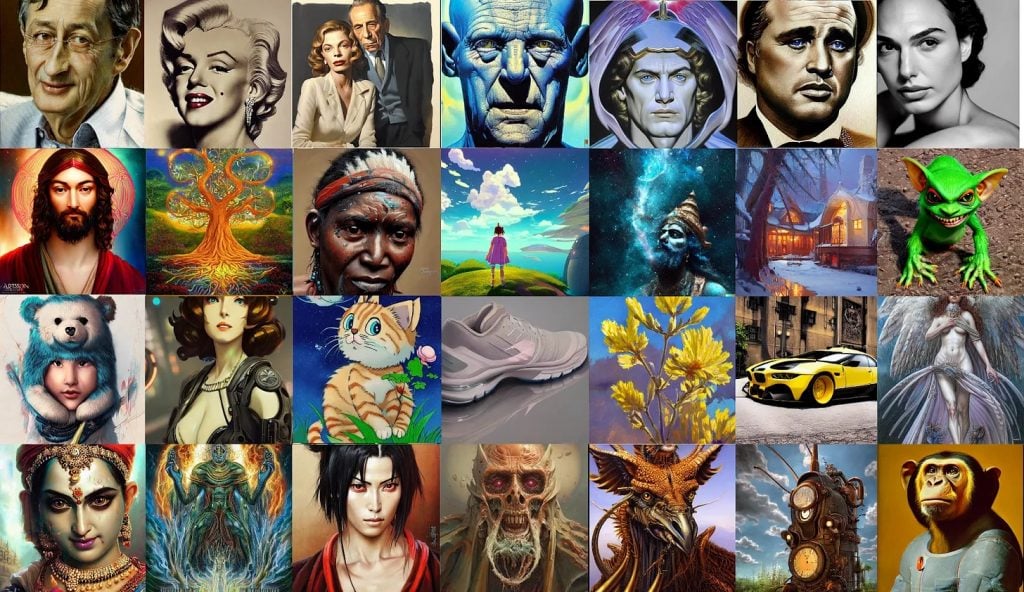
Should we take seriously the artistic vision of someone who considers “pooping rainbows” the pinnacle of creativity?
The Limitations of Generative AI
The wrinkle in AI executives’ plot to supplant human creativity is that so far, consumer AI tools are not very good at making art. Generative AI creates content based on recognizing patterns within the data it was trained on, using statistics to determine what the prompter is hoping to get out of it.
Text generators like ChatGPT, image creators like DALL-E, the song-making tool Sora, and text-to-video generators like Runway can produce content that looks like human-made writing, music, or visuals by virtue of having been trained on a great many human-made works.
AI in Art and Creativity
What AI is good at doing, however, is flooding the internet with mediocre, instantaneous art. AI has been used in various ways in the film industry, from making actors’ mouths match up with dubbed foreign languages to creating backdrops and background characters. More controversially, AI has also been used in documentary projects.
This future is far — although nobody can agree on how long — from the one that AI boosters have preached is just around the corner, one of endless hyper-personalized entertainment with the click of a button.
The Role of AI in the Creator Industry
Just as AI is meant to “democratize” artmaking, the creator industry, which was built on the back of social media, was designed to do the same thing: circumvent the traditional gatekeepers of media by “empowering” individuals to produce their own content and in return, offering them a place where their work might actually get seen.
There are clear pros and cons here. While AI is useful in giving emerging creators new tools to make visual and sound effects they might not otherwise have the money or skill to produce, it is equally or perhaps more useful for fraud, in the form of unthinkably enormous amounts of phone scams, deepfakes, and phishing attacks.
Ryan Broderick points out another comparison between social media and generative AI. “My fear is that we're hurtling really quickly towards a world where rich people can read the words written by humans and people who can't afford it read words written by machines,” he tells me.