Google Gemini vs ChatGPT: Which AI Assistant Wins in 2025?
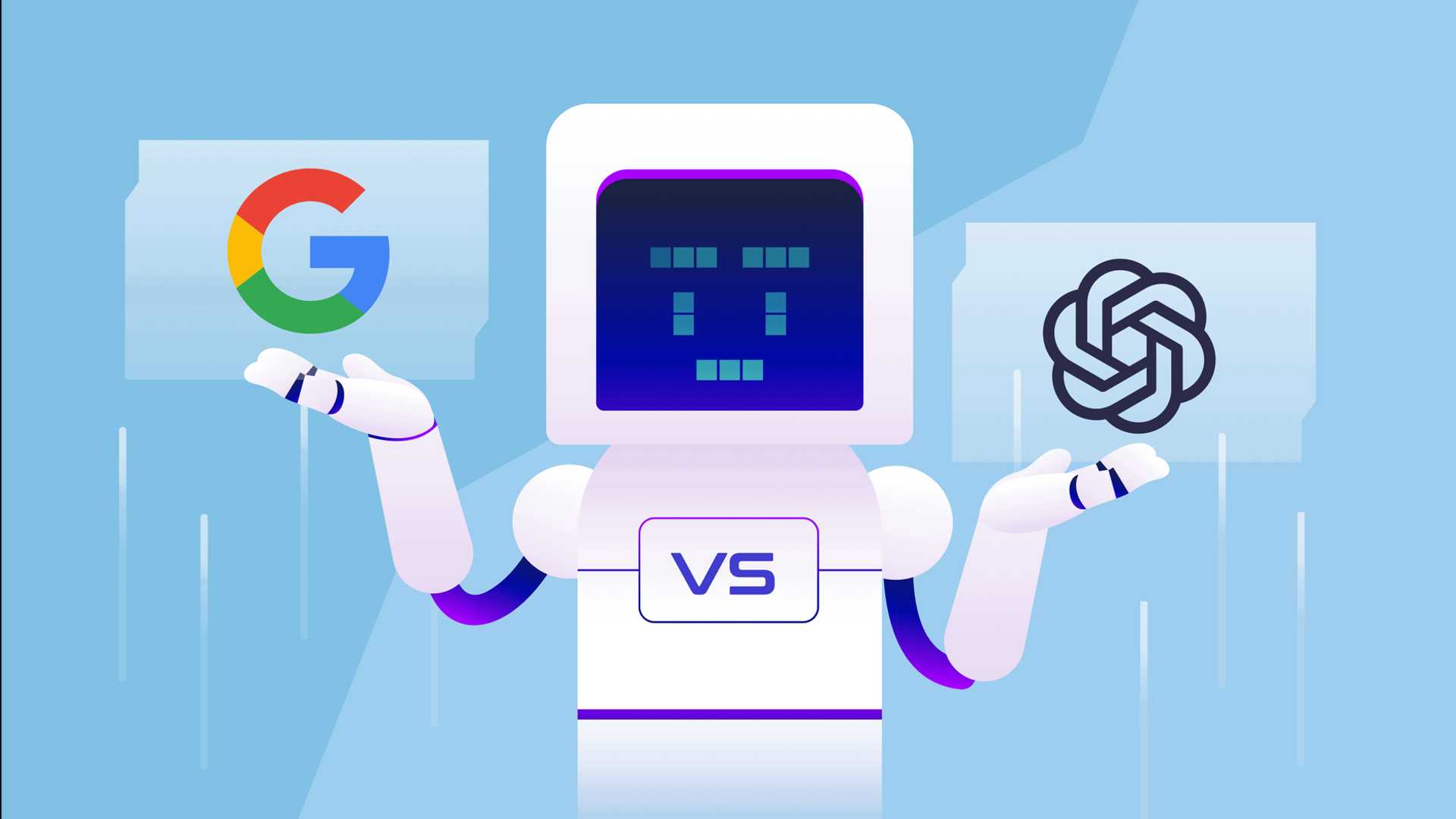
Google Gemini and ChatGPT have been revolutionizing workflows and simplifying various aspects of life, both personal and professional. But when it comes to choosing between these AI assistants, which one comes out on top? To find out, we conducted head-to-head experiments with both tools to determine their strengths and weaknesses.
The Rise of Large Language Models
Large language models like ChatGPT and Google Gemini have had a significant impact on businesses across different industries, from digital marketing to finance and legal services. The pace of innovation in this field is incredibly rapid, making it challenging to stay current.
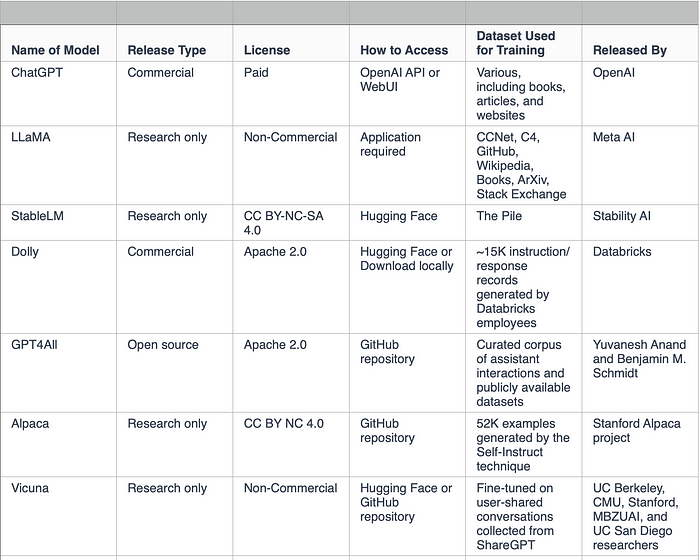
At the core of this language model revolution is Open AI's Chat Generative Pre-trained Transformer (ChatGPT), which was released in November 2022. Following closely is Google Gemini, launched in December 2023. Both systems offer similar functionalities and capabilities, but their differences lie in their approach and execution.
Features and Capabilities
ChatGPT: ChatGPT is a text-focused AI chatbot that allows users to interact through text input, similar to messaging a friend. It also offers a talk-to-text option for those who prefer speaking over typing.

Google Gemini: Google Gemini sets itself apart by heavily focusing on multi-modal capabilities. While text input is an option, Google Gemini Live enables real-time voice conversations with the assistant, providing a more natural interaction similar to talking to a human.
Research Capabilities

Both ChatGPT and Google Gemini can assist in research by providing ideas and suggestions, but ChatGPT, even in its free version, can access the web for up-to-date information, making it more suitable for research purposes.
For instance, when asked about popular blog topics in the pet industry, ChatGPT not only generated a list but also included relevant source links for further exploration. On the other hand, Google Gemini did not include sources initially but provided links upon request.
Understanding Complex Concepts
Both ChatGPT and Google Gemini excel in simplifying complex topics, offering clear explanations and insights. However, Google Gemini's responses are often more succinct and easier to digest, making it a better choice for understanding intricate concepts.
When it comes to creating images, Google Gemini outshines ChatGPT with its advanced image generation capabilities, especially for creative tasks that involve visual content.
Keyword Generation and SEO
For keyword generation and SEO tasks, ChatGPT surpasses Google Gemini by providing more relevant and on-topic keywords. ChatGPT's ability to generate precise keyword suggestions makes it a valuable tool for content optimization and SEO strategies.
Content Creation and Repurposing
In content creation and repurposing, both ChatGPT and Google Gemini play crucial roles. ChatGPT offers detailed outlines and promotional content suggestions, making it ideal for structuring content and developing marketing materials.
On the other hand, Google Gemini shines in creative text generation, providing compelling and engaging content. When seeking ideas for repurposing content across various platforms, ChatGPT's detailed suggestions and well-organized plans prove to be more effective.
Transcription and Decision Making
In transcription tasks, ChatGPT demonstrates better accuracy and reliability, especially when dealing with complex content like infographics. Google Gemini may struggle with accuracy and formatting issues, requiring additional proofreading.
Lastly, both Google Gemini and ChatGPT can assist in decision-making processes by providing insights and considerations on various topics, helping users explore different perspectives and make informed choices.
In conclusion, while both Google Gemini and ChatGPT offer unique capabilities and strengths, the choice between the two ultimately depends on your specific needs and preferences. Experimenting with both tools is the best way to determine which AI assistant best suits your requirements in 2025 and beyond.