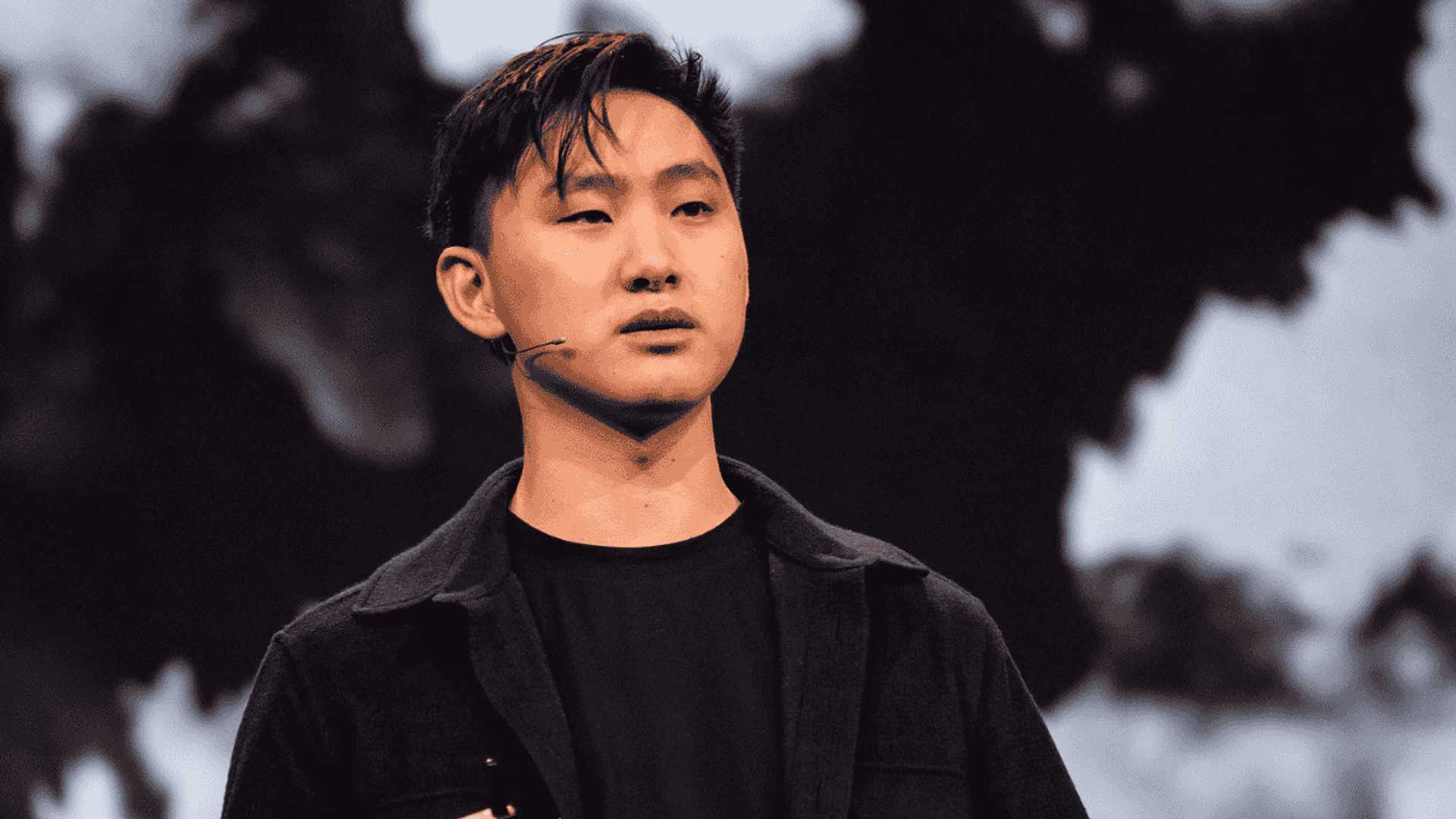
Meta's Bet on Alexandr Wang Could Be Bigger Than WhatsApp ...
In 2014, Meta (then Facebook) made waves by acquiring WhatsApp for $19 billion—a deal that brought billions of users into its fold and cemented its position as a mobile-first communications leader. Now, more than a decade later, Meta is making another consequential move—one that could prove even more transformative in the long run.
Investing in AI-Centric Future
The company’s decision to invest $14.3 billion in Scale AI and bring its 28-year-old CEO, Alexandr Wang, in-house to lead a new “superintelligence” team is a calculated attempt to dominate the next frontier: large language models (LLMs.
While WhatsApp gave Meta user reach and data scale, its latest AI-centric bet positions the company to control the cognitive layer of the internet. If successful, this could define the next era of computing, making the WhatsApp acquisition look relatively narrow by comparison.
Rise of Large Language Models
LLMs are becoming the foundation for a new kind of digital infrastructure. From productivity tools and coding assistants to creative platforms and enterprise automation, these models are quickly evolving from experimental novelties to mission-critical systems. The company that controls the development, fine-tuning, and deployment of frontier models will not only gain a competitive edge but potentially define the standards for how human-AI interaction unfolds.
Strategic Investment in Scale AI
Meta’s investment in Scale AI is a significant step in this direction. Scale is not just a data-labeling company; it is a strategic asset in the AI supply chain, playing a vital role in preparing high-quality, domain-specific data for training models. By bringing Scale’s infrastructure under its roof, Meta is effectively shortening the cycle time between research, training, and deployment, allowing it to iterate faster than competitors.
Platform Leverage and Future Vision
WhatsApp delivered powerful network effects. But LLMs provide something even more valuable: platform leverage. They are not tied to a single use case or platform but can scale horizontally across multiple products, industries, and user personas. Meta is clearly envisioning a future where its proprietary models—such as Llama 4 and the long-rumored “Behemoth”—power not just chatbots but the entire backend intelligence layer of Facebook, Instagram, WhatsApp, Quest, and enterprise solutions.
Building a Vertically Integrated LLM Stack
With Alexandr Wang now steering its AI strategy, Meta is aiming to build a vertically integrated LLM stack: from data sourcing and annotation to compute infrastructure and global deployment. This approach not only enhances model quality but opens new monetization avenues, ranging from developer APIs to enterprise licensing and AI-powered ads.
The Startup Mentality in AI Development
Alexandr Wang's presence brings a startup mentality to Meta’s AI efforts—something that could serve as a counterbalance to the more academic or research-centric cultures seen in traditional AI labs. Moreover, Meta’s willingness to offer $100 million+ compensation packages to lure top AI talent signals that it is willing to outspend, outbuild, and outmaneuver its competitors.

Future Outlook and Potential
If Meta can successfully bring together the best minds in LLM development, pair them with an optimized data and compute pipeline, and integrate these efforts across its user platforms, it will have built not just a model, but a moat.
WhatsApp’s value lies in its communication utility. But Meta’s LLM strategy targets ubiquity. A successful model doesn’t merely assist users; it becomes embedded in every touchpoint—from auto-generated content and smart recommendations to real-time translation, synthetic media, and developer ecosystems.
Meta's Potential as AI Operating System of the Web
This positions Meta to become more than a platform—it becomes the AI operating system of the web. And as AI systems become the gateway for accessing knowledge, creativity, and commerce, Meta could control the lens through which billions of people engage with the digital world.
Conclusion
Meta’s WhatsApp acquisition was a watershed moment in mobile technology. But the move to hire Alexandr Wang and double down on large language models could be far more consequential. It is an audacious bet—one with considerable risks, including fierce competition from OpenAI, Google, and Anthropic. Yet, if Meta can execute at scale, deliver competitive models, and fully leverage its ecosystem, it will not just participate in the LLM race—it may define the rules of the game.