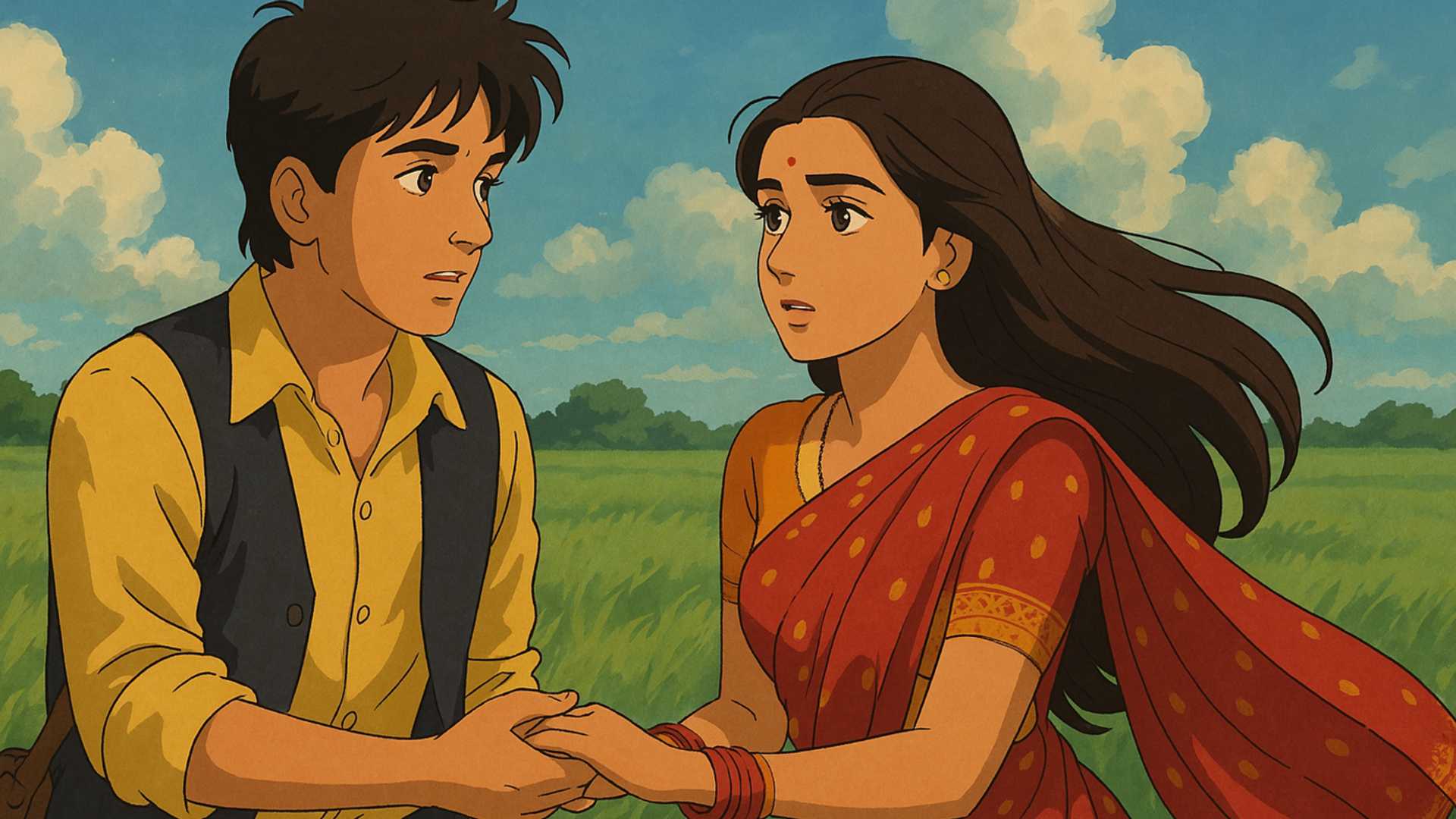
Is it safe to upload your photos on ChatGPT, Grok 3 for Studio Ghibli Art?
Ever since OpenAI launched ChatGPT's Ghibli-style AI image generator, it has become a sensation on social media. Users, including politicians, celebrities, and the general public, are enthusiastically sharing their AI-generated portraits in the iconic style of Ghibli legend Hayao Miyazaki. The latest version of the tool allows users to transform their own photos, or even viral internet memes, into stunning Ghibli-style artwork.
Privacy Concerns and Ethical Implications
While the feature has gained widespread popularity, there are concerns raised by digital privacy activists regarding potential data privacy issues. Some critics believe that OpenAI might be leveraging this trend to amass a large collection of personal images for AI training purposes. This has sparked debates about the ethical implications of using AI tools trained on copyrighted works and its impact on the livelihoods of human artists.
Activists argue that OpenAI's data collection strategy goes beyond just an AI copyright matter. By allowing users to voluntarily submit images, the company could bypass legal restrictions that apply to web-scraped data, raising serious privacy concerns.
GDPR Regulations and User Privacy
Under GDPR regulations, OpenAI is required to justify scraping images from the internet under the legal basis of "legitimate interest." This mandates the implementation of additional safeguards to protect user privacy and ensure compliance. The company must demonstrate that data collection is necessary, respects individuals' rights, and adheres to strict transparency and accountability measures.

According to Luiza Jarovsky, co-founder of the AI, Tech & Privacy Academy, users who voluntarily upload images provide their consent to OpenAI to process them under Article 6.1.a of the GDPR. This legal ground gives OpenAI more freedom in data processing, and the legitimate interest balancing test does not apply in this scenario.
Security Measures and Data Handling
OpenAI's privacy policy states that the company collects personal data input by users to train its AI models unless users opt out. While the trend of generating Ghibli-style images is gaining momentum, there are concerns about the potential misuse or manipulation of uploaded photos. Data privacy advocates caution users to be mindful of the risks involved in sharing personal images with AI services.
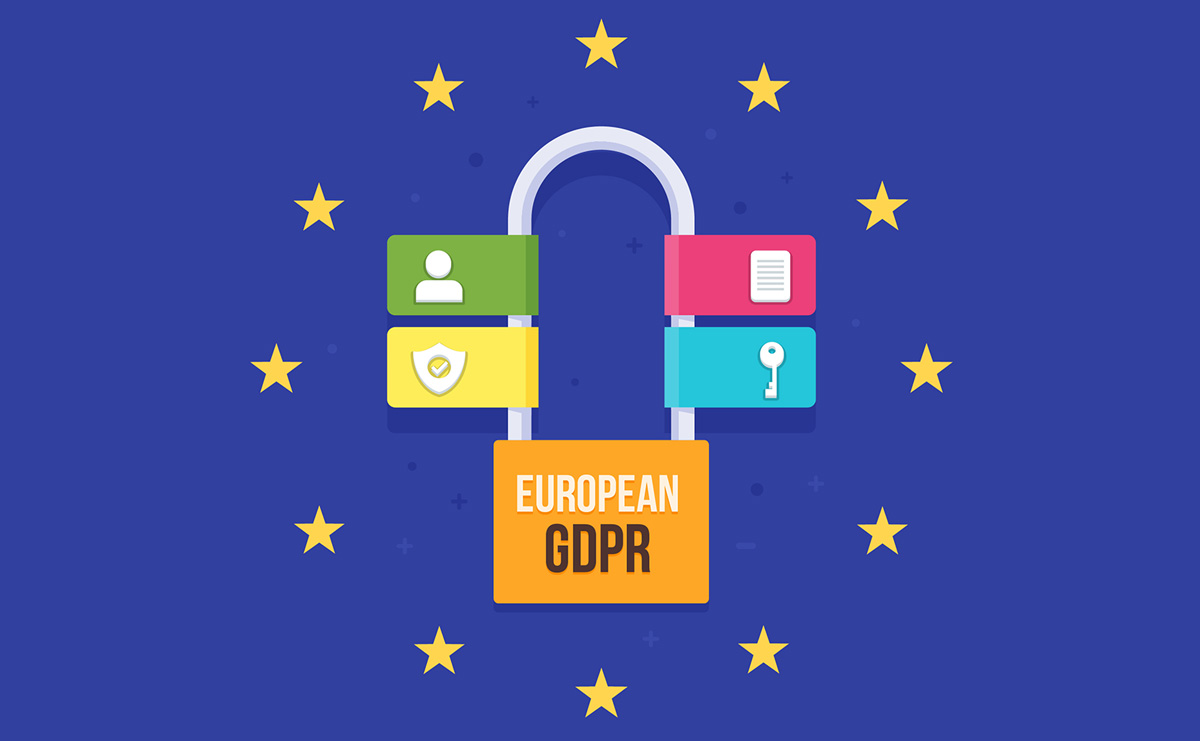
It is important to consider the privacy implications before uploading photos to AI tools like ChatGPT and Grok 3. While such tools offer a fun way to create Ghibli-inspired images, users should be cautious about the security of their data and the potential consequences of sharing sensitive information online.








