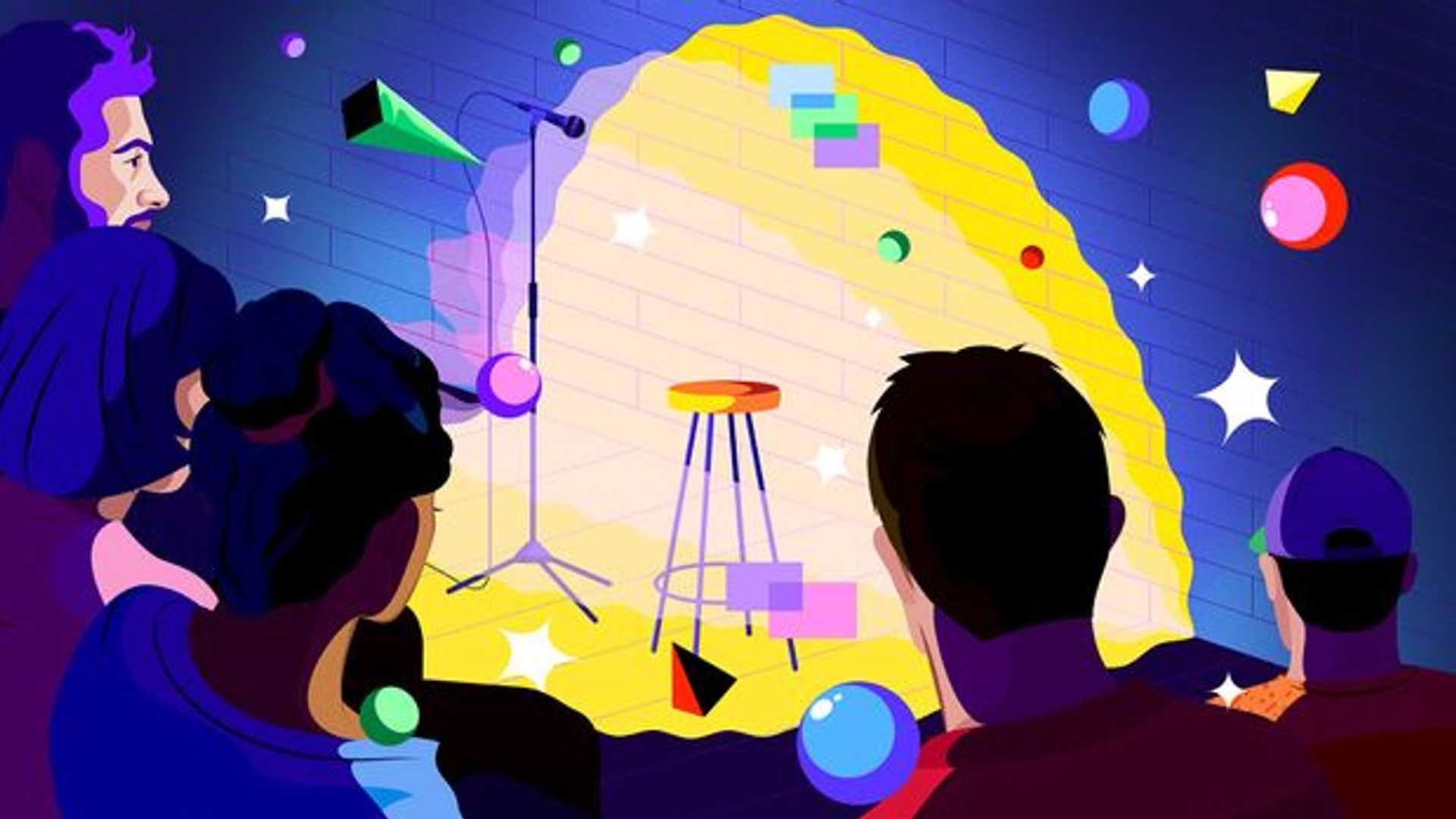
An AI walks into a bar... Can artificial intelligence be genuinely funny?
We asked a professional comedian to deliver some jokes written by artificial intelligence on stage. What happened reveals a lot about just how much machines understand the very human sense of humour.
Karen Hobbs was more nervous than usual before this particular gig. A well-known circuit comedian, she's accustomed to the UK's often bruising stand-up comedy scene. It's eclectic, unpredictable and famously short on pity-laughs. Hobbs has tackled some of the most unforgiving rooms in Britain, from major London theatres to the back rooms of rural pubs. She has even triumphed within the dreaded competition circuit, in which a merciless audience votes in a gladiatorial popularity contest for the funniest gags.
The Rise of AI in Comedy
In the space of two years, the OpenAI-developed chatbot has gone from a niche, techy curiosity to the first tool to truly bring AI to the masses. As AI entered the mainstream, its already terrorised teachers and universities, stolen jobs from freelance copywriters and even flooded social media with low-effort and sometimes unsettling content. Some experts warn of a potential AI-driven apocalypse as machines improve to the point they can truly outperform human beings, a hypothetical technology known as "artificial general intelligence" (AGI). Others doubt AI will ever even approach that point.
The Debate on AI and Creativity
But when it comes to art, it's debatable whether or not generative AI, by its nature, can be truly creative. Large language models (LLMs) like ChatGPT work by processing billions of lines of text scraped from the internet and other sources, unpacking the patterns and relationships between words and sentences. Using that data, AI generates responses that are, statistically, the most likely answer to a given prompt.
To understand whether AI tools can really demonstrate humour, Alison Powell, an associate professor of communications at the London School of Economics who studies AI's influence on our media, insists that we must first ask ourselves a question: "How do jokes work?" Powell herself cut her teeth in improv comedy, a scene that is arguably more brutal still than the world of stand-up. In improv there is no room for planning, and the comedian has nothing but their instinctive response to an audience prompt.
Challenges and Concerns for Comedians
You might assume comedians have little to worry about if AI is so fundamentally derivative, but there are major secondary risks for creatives. "Comedians should be concerned about data theft and regurgitation, because many of the generative AI tools, especially ChatGPT, are being trained on content on the internet," Powell says.

But pilfering jokes in itself isn't the only worry. As AI improves, so too might its ability to compete. "This would be a concern for a young comedian because if they get better at telling jokes, the models get better," she says.
The Future of AI in Comedy
For Carr, a central concern is that AI will benefit from the way we tend to use the internet. "Jokes are something that people love to share on the internet or on social media, and so it is very difficult to say where a chatbot joke came from – did it make it up, or did it just repeat it off of '/r/Jokes' [a comedy forum] on Reddit?"
Research is already ongoing to give AI a greater understanding of the world around it. "Researchers are already working to perfect audio capabilities AI models which will help with understanding social factors and being able to adapt to an audience, as well as with comedic timing," says Michael Ryan, a masters student at a Stanford University AI expert who has researched AI's impact on comedy.
The Potential of AI in Generating Humour
Ryan co-led a major analytics project to test the limits of AI-generated jokes. While his research shed light on its limitations, Ryan believes that the explosive growth of the technology will produce LLMs with an uncanny ability to generate humour in the near future. "I believe we are going to see genuinely funny AI comedy sets in the next few years," he says.
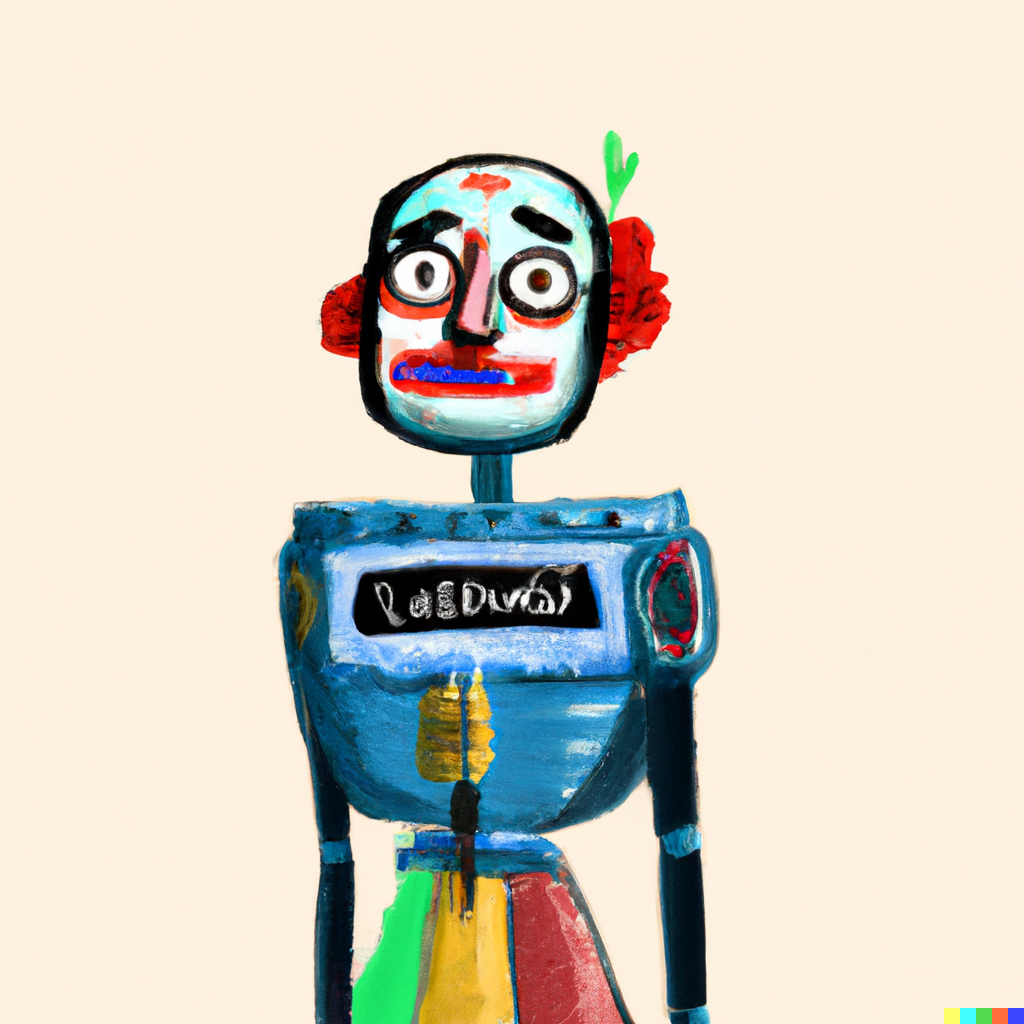
It may be some time before AI can replicate the on-stage tasks that real world comedians have mastered for centuries. When it comes to writing a single funny joke however, researchers have already made progress.
In 2023, screenwriter Simon Rich wrote an article for Time magazine about his experience using an unreleased OpenAI model called code-davinci-002, developed specifically for creative tasks. Rich collaborated with two other writers on a book of poetry penned by the AI (and later read aloud by Werner Herzog), but not before he asked the machine to spit out some jokes.

Humour is subjective, but the robot jokes went far beyond Rich's standards for a laugh.
Conclusion
While researchers investigate how to mimic the awareness of context in AI, Karen Hobbs – back in London's West End – was becoming all too aware of hers. As the host began to warm the audience up, she discovered – much to Hobbs's horror – that a significant chunk of the crowd on the right-hand side of the room had never been to a comedy gig before. Whatever the AI came out with would be one of their first experiences with the medium.
But perhaps the audience might like what they were about to hear? Drew Gorenz, a PhD student at the University of South California, specialises in digging into the psychology of what exactly makes things humorous. Quite literally, he's in the business of explaining why the joke is funny.