EU Invests €1.5 Billion in AI Supercomputers to Compete in the Global AI Race
The European Union has pledged €750 million to establish and maintain AI-optimized supercomputers, marking a significant step in its bid to become a leading “AI continent.” The funding, part of a broader €1.5 billion investment co-financed by member states, aims to give European startups the tools to rival AI giants like OpenAI, Google, and Microsoft. However, critics question whether this ambitious plan is enough to close the gap in the rapidly evolving AI landscape. 
Supercomputing Hubs Across Europe
The EU’s commitment includes building supercomputing hubs at seven locations across the continent. Among these are facilities already home to some of Europe’s most powerful supercomputers:
- Center 1

- Center 2
- Center 3
- Center 4
- Center 5
- Center 6

- Center 7
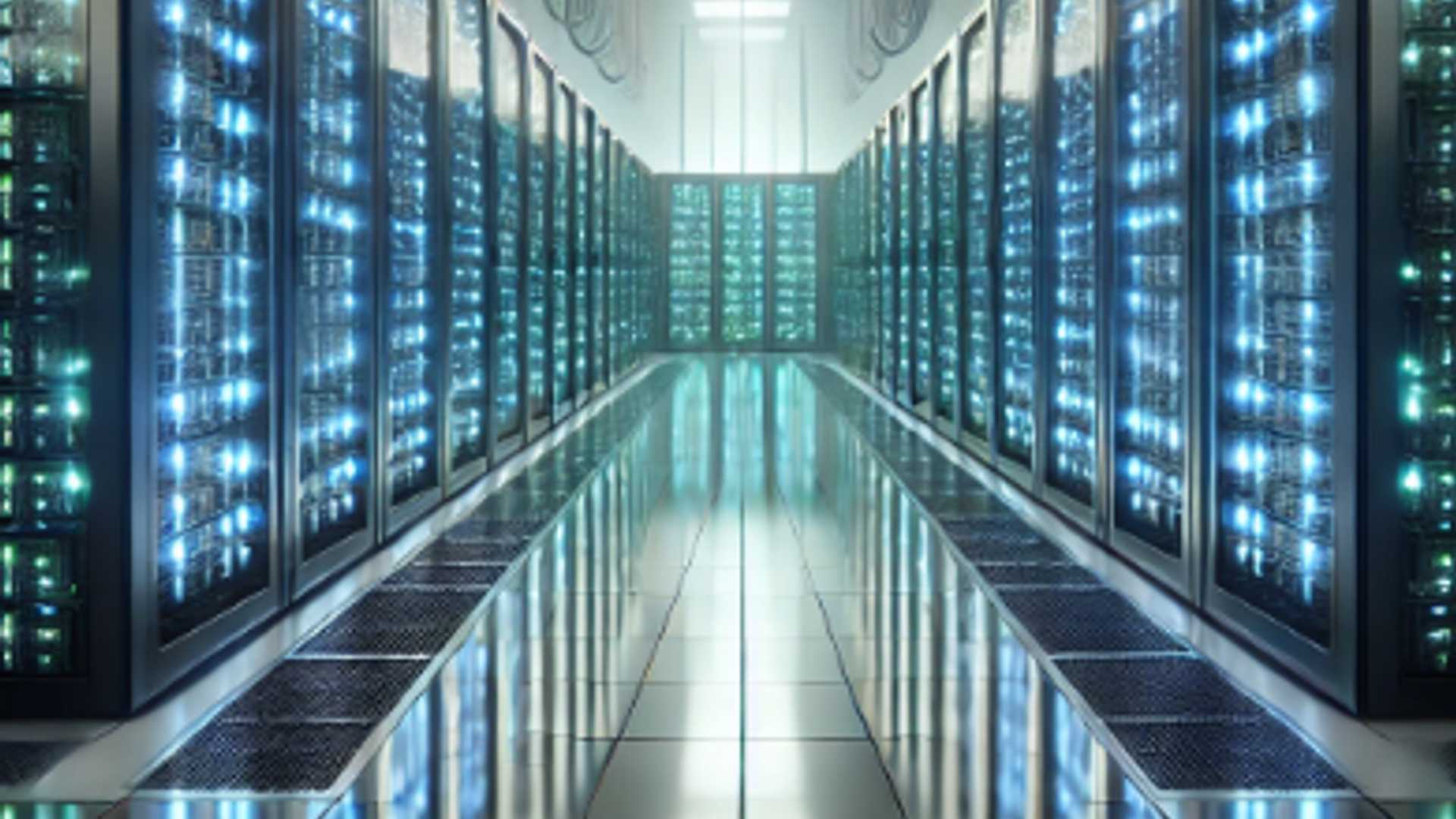
These centers will serve as a foundation for AI development, providing startups with the massive computing power needed to train AI models. AI training requires advanced infrastructure capable of processing vast amounts of data and performing complex computations — a costly endeavor that Europe hopes to subsidize through this initiative.
Challenges and Opportunities
Supercomputers require constant upgrades to remain competitive. As technology advances rapidly, even state-of-the-art systems can become obsolete within months. For the EU’s investment to be sustainable, startups leveraging the supercomputers must generate significant revenue. However, this has proven difficult even for leading AI companies.
Despite efforts to reduce reliance on American firms, many European startups still partner with U.S. companies like Microsoft, Google, and Meta. These firms provide not only supercomputing capacity but also access to global markets and revenue streams. Europe faces a steeper challenge in monetizing AI innovations without global tech giants like those in the U.S.
Adapting to Startup Needs
One of the EU’s critical tasks will be adapting its supercomputing facilities to the needs of startups. Unlike scientists, startups require integrated solutions, including data storage, user-friendly interfaces, and cloud access. Providing these resources will not only increase the usability of supercomputers but also ensure that startups can innovate effectively.
Striving for Technological Independence
The EU’s push for AI supercomputing is part of a broader strategy to assert technological independence. However, independence will not come easily. The global AI race is dominated by countries with significant private sector involvement, particularly the U.S. and China.