OpenAI Appoints Veteran AI Safety Expert to Board Amid Rising Concerns
OpenAI, a leading AI organization, has recently faced heightened scrutiny regarding AI safety issues. In response to these concerns, the Microsoft-backed company has appointed Zico Kolter, a distinguished professor and director of the machine learning department at Carnegie Mellon University, to its board.
This strategic move comes as businesses worldwide are rapidly adopting generative artificial intelligence technologies, prompting a need for robust safety measures. Kolter, known for his significant contributions to AI safety research, will not only join OpenAI's board but also serve on its safety and security committee.

Enhancing Safety Measures
The board of directors at OpenAI has seen several changes in recent times, reflecting a growing emphasis on ensuring the safety of AI systems. Kolter will work closely with CEO Sam Altman and other board members, including Bret Taylor, Adam D'Angelo, Paul Nakasone, and Nicole Seligman, to bolster OpenAI's safety and security efforts.
The safety committee, established earlier this year, plays a pivotal role in advising on safety protocols across all of OpenAI's projects. This proactive approach underscores the organization's commitment to prioritizing safety in the development and deployment of AI technologies.
Addressing AI Safety Concerns
OpenAI's innovative chatbots equipped with generative AI capabilities have raised significant safety concerns, particularly regarding their ability to engage in human-like conversations and generate images from textual prompts. As AI models continue to advance in complexity and functionality, ensuring their safe and ethical use remains a top priority.
Kolter, who previously held key positions at C3.ai and currently serves as a chief expert at Bosch and chief technical adviser at Gray Swan—a startup specializing in AI safety and security—brings a wealth of experience to OpenAI's safety initiatives.
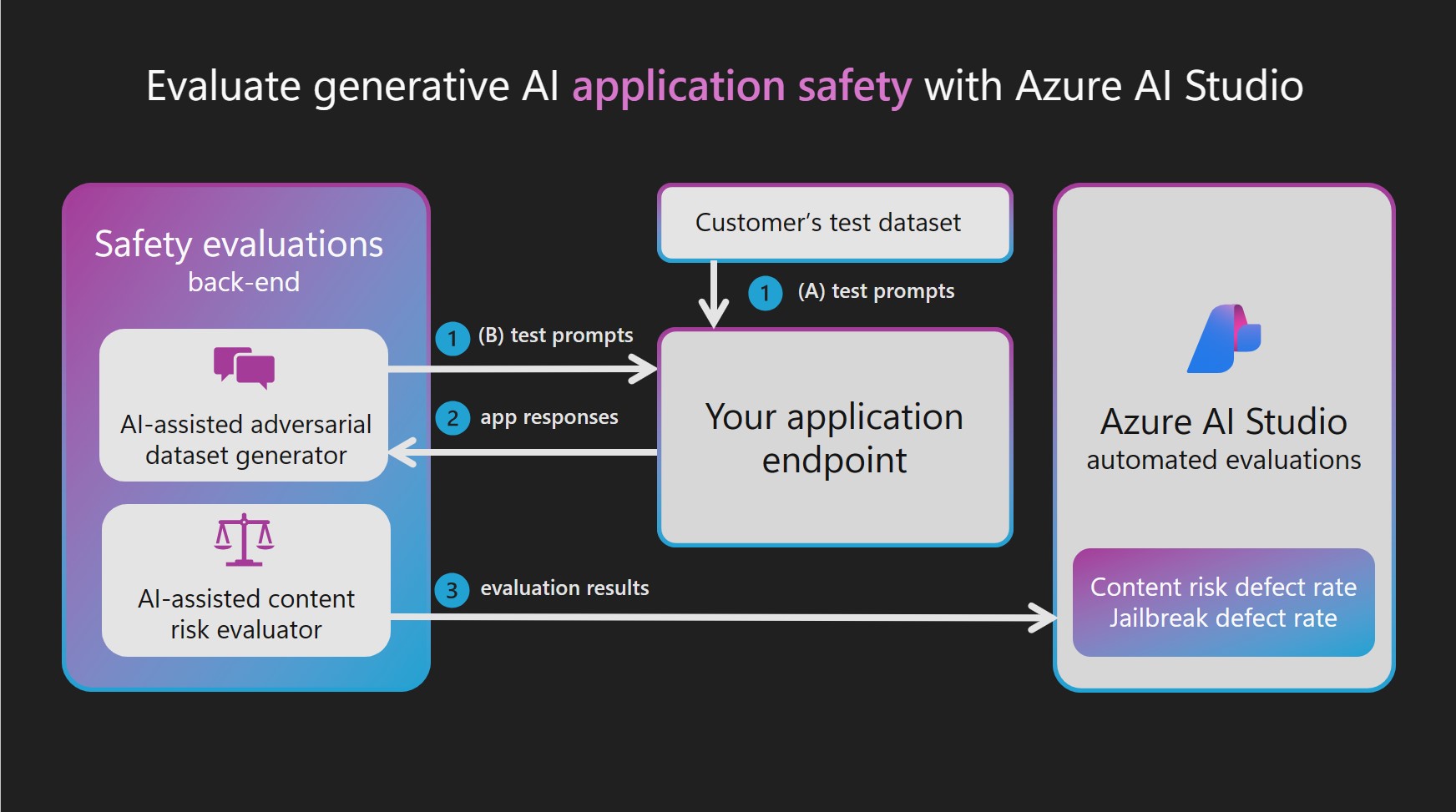
In a noteworthy development, Kolter played a pivotal role in developing methods for automatically evaluating the safety of large language models in 2023. His research highlighted potential vulnerabilities in existing model safeguards, prompting a reevaluation of safety protocols within the AI community.

Microsoft's decision to relinquish its board observer seat at OpenAI earlier this year aimed to address concerns raised by antitrust regulators in the U.S. and UK. This move underscored a commitment to fostering a more open and collaborative AI ecosystem amid the rapid adoption of generative AI technologies.
For the latest news and updates, follow NDTV's live coverage here. Stay informed about developments in India and around the world by visiting NDTV's news section.