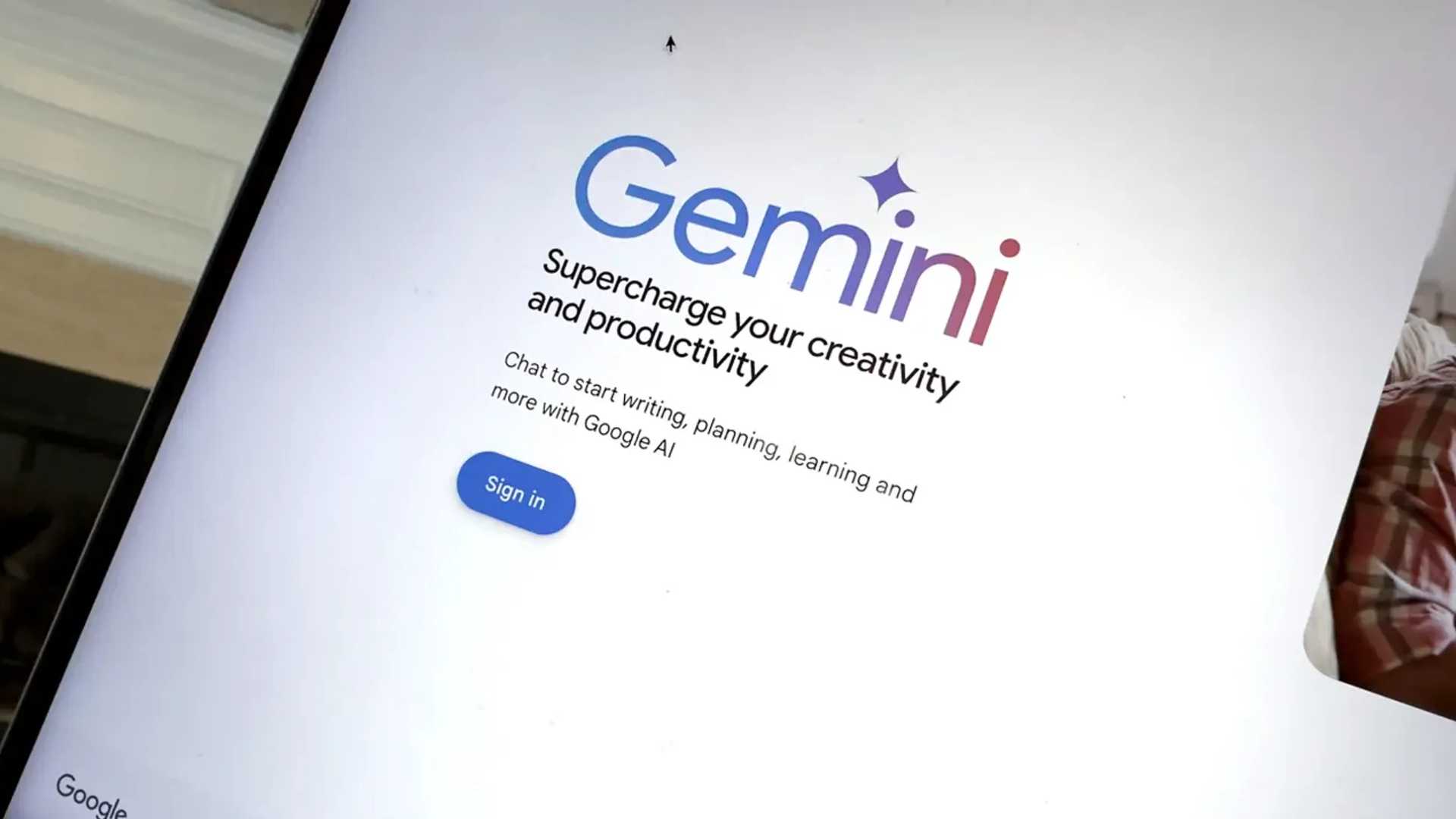
The Future of AI on Your Devices: Google's Gemini
Get ready for a significant shift in how you interact with your devices. Google is set to expand its Gemini artificial intelligence assistant beyond smartphones, bringing its capabilities to a wider array of gadgets you use every day: smartwatches, tablets, and even cars. This isn’t just a minor update; it signals a strategic move by Google to weave its advanced AI deeply into the fabric of its ecosystem, aiming for a more unified and helpful experience across your digital life.
Google's CEO Confirms the Expansion
The announcement came directly from the top, with Google CEO Sundar Pichai confirming the plans during Alphabet’s first-quarter earnings call for 2025. He stated that following the upgrade of Google Assistant to Gemini on mobile devices, the AI would arrive on tablets, cars, and connected accessories like headphones and watches later this year. This timeline suggests we could hear more concrete details and see previews at the upcoming Google I/O developer conference in May.
Enhanced Interactions with Gemini
For years, Google Assistant has been the familiar voice across these devices. Now, Gemini is poised to take over, promising a more capable and conversational AI experience. Think about the potential: a smartwatch that understands more complex queries, a tablet that helps you brainstorm or summarize information more effectively, and a car that offers truly intelligent assistance while you’re on the road.
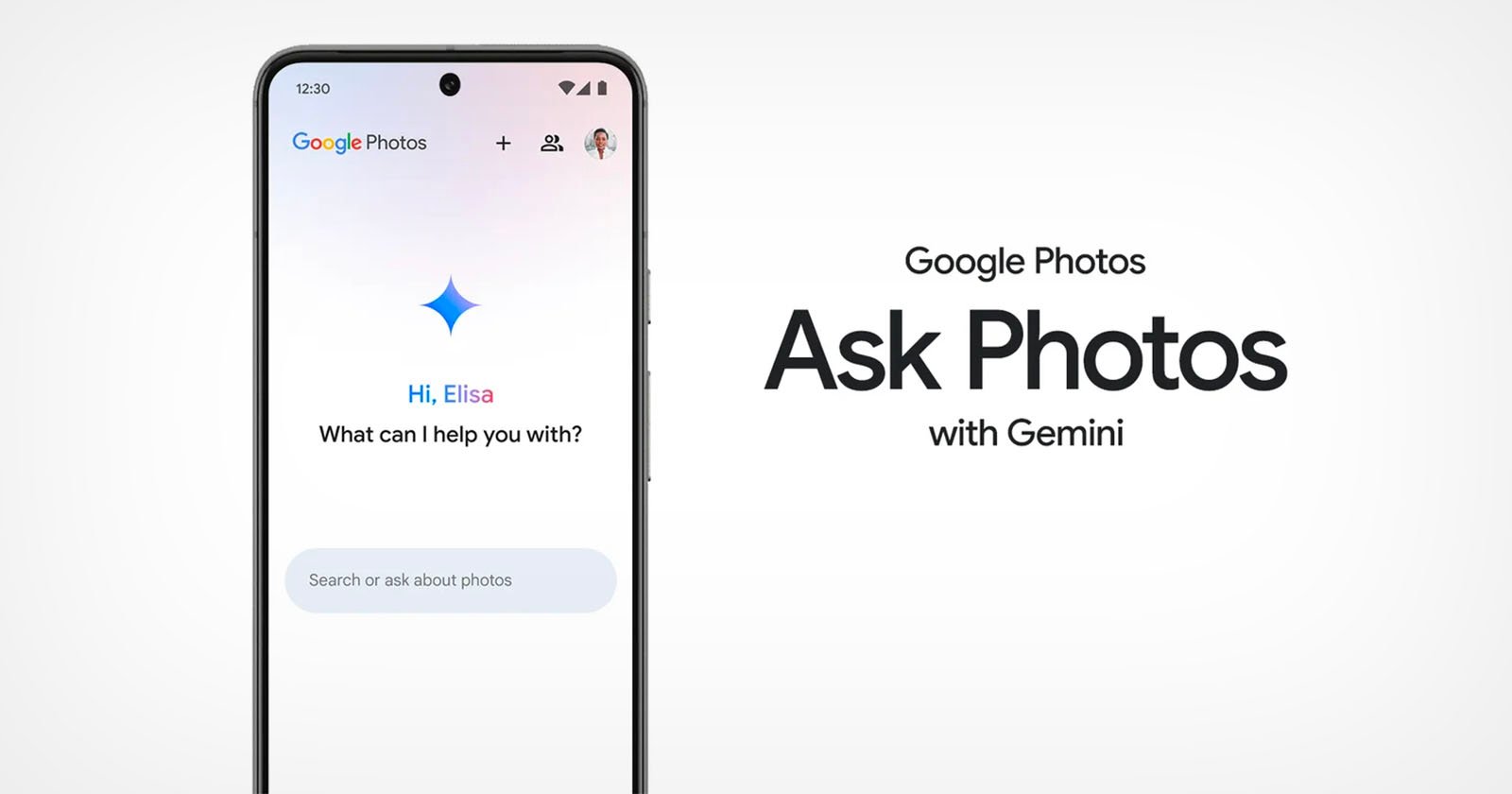
Exciting Prospects for Wear OS Powered Smartwatches
Bringing Gemini to Wear OS powered smartwatches is a particularly exciting prospect. Smartwatches are personal devices, worn constantly, and quick access to information is key. While Google Assistant on Wear OS has been functional, Gemini’s advanced natural language processing could make interactions feel much more natural and intuitive.
Empowering Tablets with Gemini
Tablets sit in a unique space between phones and laptops, often used for content consumption, productivity, and creative tasks. Integrating Gemini into the tablet experience could unlock new ways to use these devices. On tablets, Gemini could leverage its multimodal capabilities more effectively.

Transforming the Driving Experience with Gemini
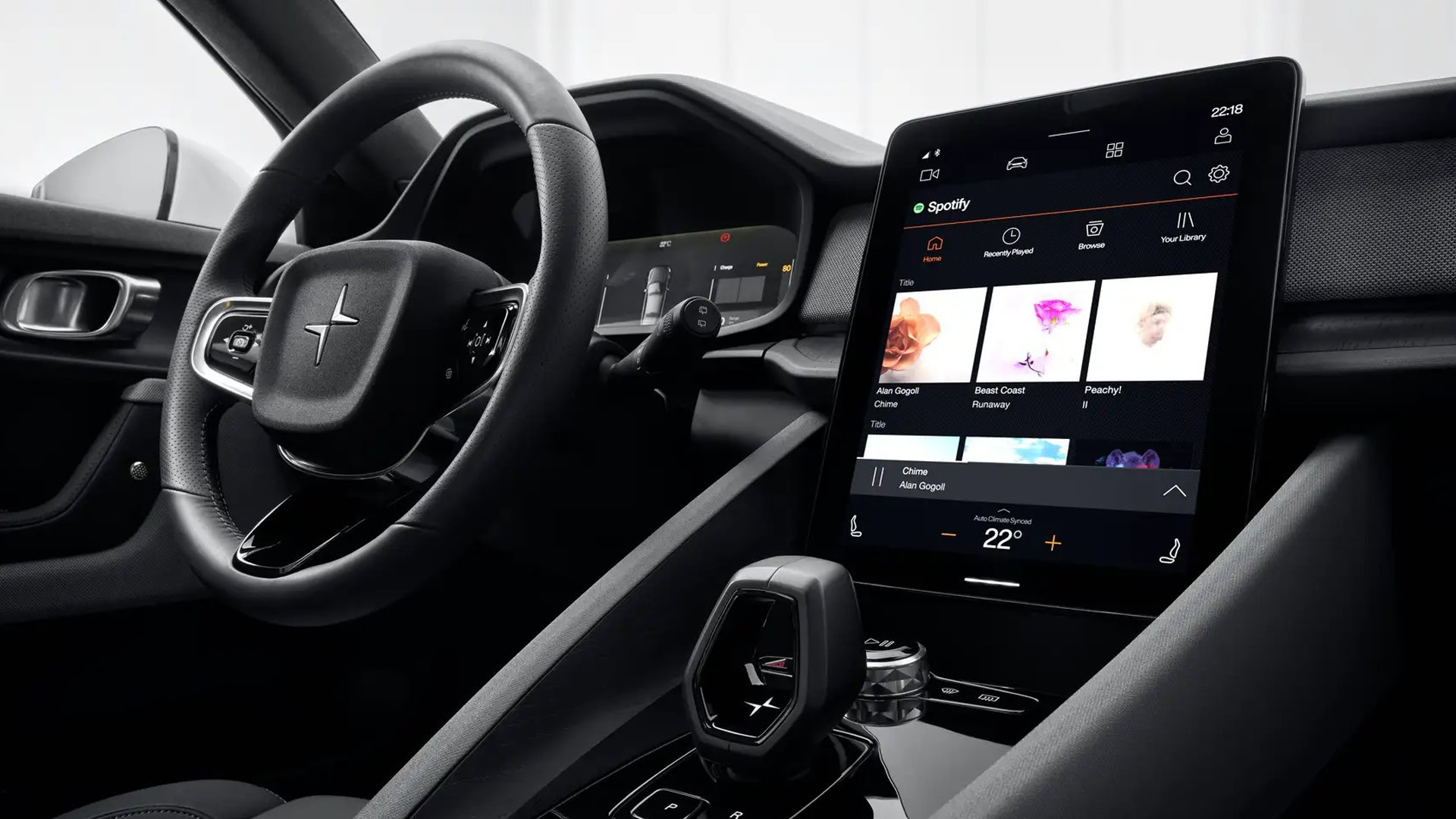
The integration of Gemini into cars, specifically through Android Auto and Android Automotive OS, holds significant promise for improving the driving experience. Safety is paramount when driving, and a more intelligent voice assistant can help minimize distractions.
Google co-founder Sergey Brin admits issues with Gemini AI chatbot ...
Google’s decision to bring Gemini to watches, tablets, and cars is part of a larger strategy to create a unified AI experience across its entire ecosystem. By replacing Google Assistant with Gemini across these platforms, Google aims for consistency and a more powerful underlying AI model. This means that your interactions with Google’s AI should feel similar whether you’re talking to your phone, your watch, your tablet, or your car.
Furthermore, with models like Gemini Nano designed for on-device processing, some AI tasks could happen faster and even offline, enhancing privacy and reliability on devices like smartwatches and potentially in cars where connectivity might be inconsistent.
Google's commitment to making its most advanced AI models accessible and helpful in more aspects of our daily lives is evident in the expansion of Gemini. As Gemini arrives on our wrists, in our hands, and on our dashboards, we can expect a noticeable shift in how we interact with our technology, potentially leading to more intuitive, efficient, and even delightful experiences.