
CFPB Aims to Apply Privacy Protections to Data Brokers
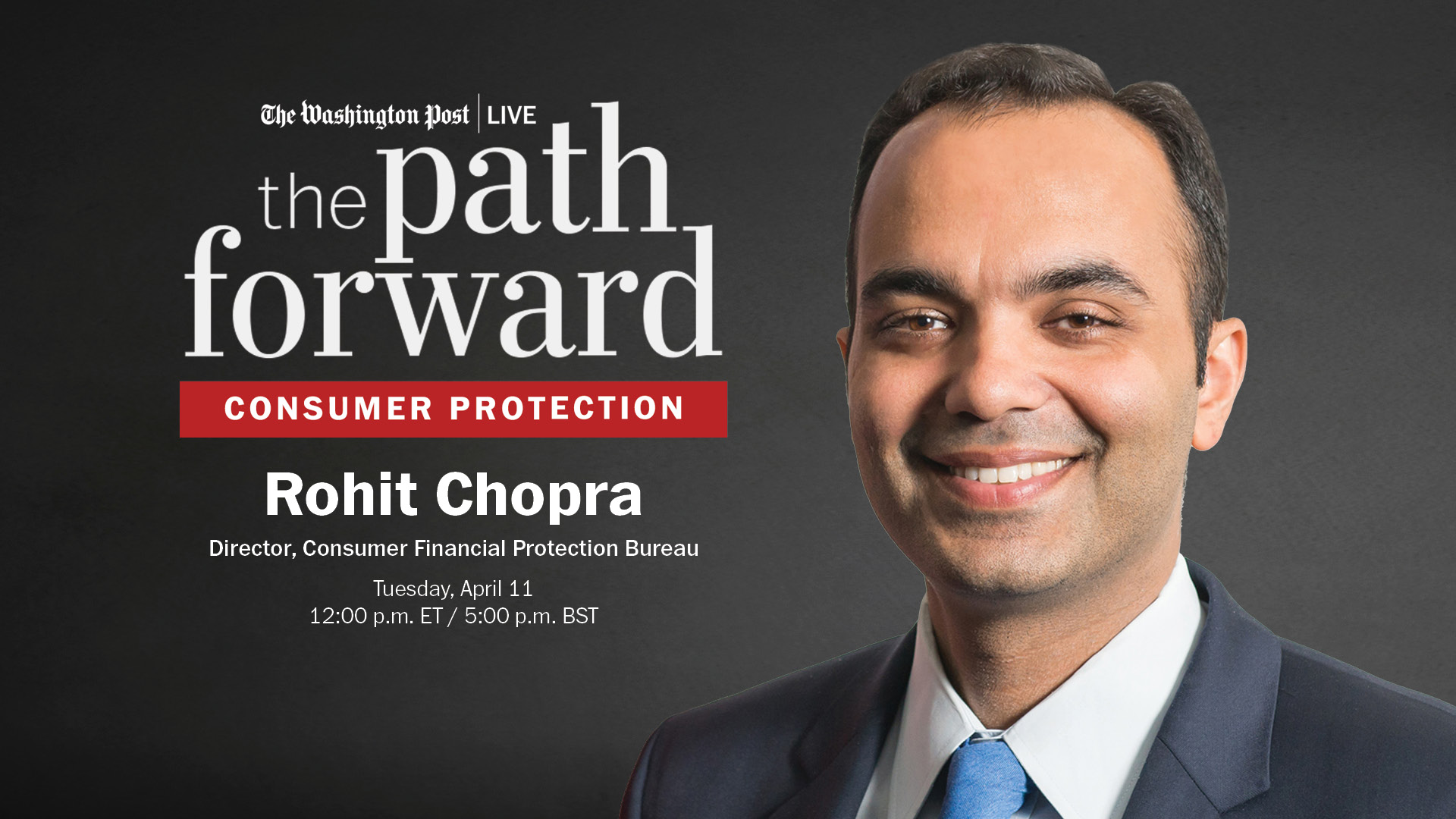
The Consumer Financial Protection Bureau (CFPB) is set to introduce a new rule that will extend privacy safeguards to data brokers, as announced by CFPB Director Rohit Chopra on Thursday (Sept. 19).
Proposed Rule for Privacy Protections
In his remarks at the Aspen Institute, Chopra emphasized that the proposed rule aims to empower consumers by granting them more control over their sensitive data. He highlighted the significance of applying the Fair Credit Reporting Act's privacy protections to data brokers, which would restrict the unrestricted circulation of sensitive information that is often exploited for targeting servicemembers, jeopardizing national security, combating financial scams, identity theft, stalking, harassment, and doxing.
Implications for National Security
Chopra underscored the increasing implications for national security posed by data brokers who trade in Americans' personal information. He cautioned against the risks associated with allowing "countries of concern" to access such data, citing instances where foreign actors have orchestrated high-profile data breaches to acquire personal information on a massive scale.
Protecting Americans from Data Exploitation
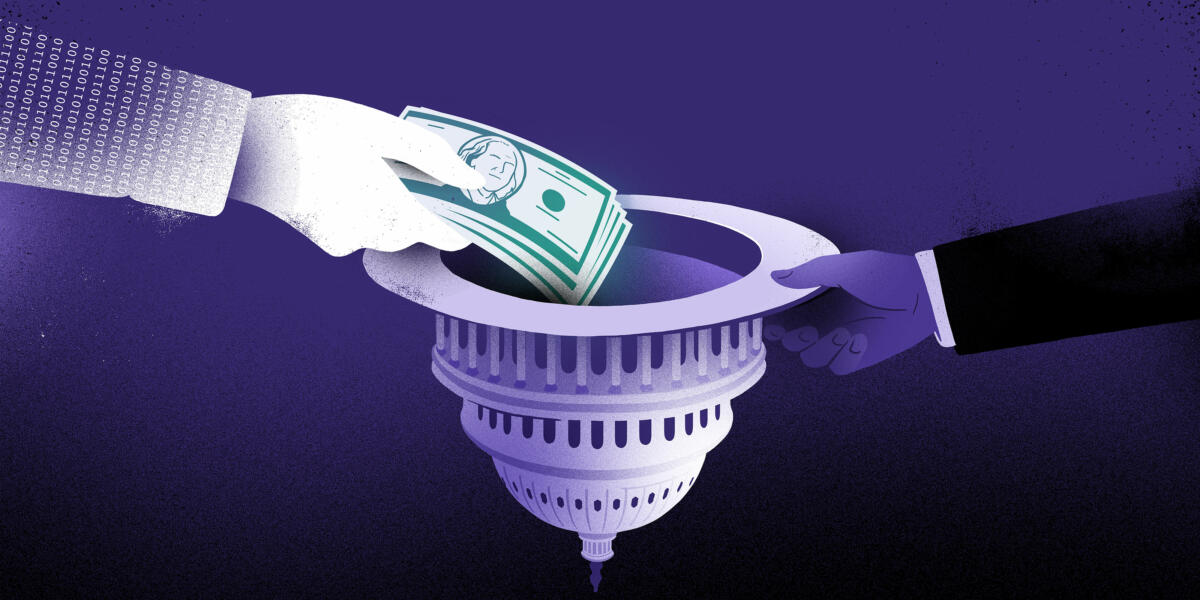
The datasets compiled by data brokers not only pose risks to national security but also contribute to the burgeoning surveillance industry, which leverages advanced technologies like artificial intelligence for predictive decision-making. To address these concerns, the proposed rule seeks to safeguard Americans from the controversial practices of data brokers.
Government Initiatives and Investigations
In response to the escalating concerns surrounding data brokers, CFPB initiated an investigation into their operations and impact on consumers' lives. This investigation aims to ensure compliance with existing regulations and evaluate the necessity for additional safeguards. In parallel, President Joe Biden issued an executive order targeting the trade of personal data with hostile nations, with specific focus on preventing data brokers from engaging in transactions with countries identified as potential threats to national security.