
AMD unveils 5th Gen EPYC processors and new AI tech
AMD recently announced its latest advancements in AI and high-performance computing solutions by unveiling the 5th Gen AMD EPYC processors and AMD Instinct MI325X accelerators at an event in San Francisco. This launch introduces a range of new processors and accelerators designed to enhance compute capabilities and energy efficiency.
5th Gen EPYC Processors
The new AMD EPYC 9005 Series processors, based on the "Zen 5" architecture, offer record-breaking performance and energy efficiency. These processors are expected to be adopted by industry giants such as Dell, HPE, Lenovo, and Supermicro. The EPYC processors are set to play a significant role in driving growth in the data center and AI sectors.
AMD Instinct MI325X Accelerators
AMD also introduced the AMD Instinct MI325X accelerators, which are designed to provide high-performance and enhanced memory capabilities for demanding AI workloads. Furthermore, details about the upcoming MI350 series accelerators, set to launch in 2025, were shared. These new accelerators aim to expand memory capacity and improve AI performance.
AMD Pensando Salina DPU and Pollara 400 NIC
Additionally, AMD unveiled the AMD Pensando Salina DPU and AMD Pensando Pollara 400 NIC, targeting the maximisation of AI infrastructure performance by optimizing data pipelines and GPU communication in AI systems.
Ryzen AI PRO 300 Series Processors
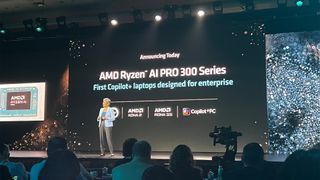
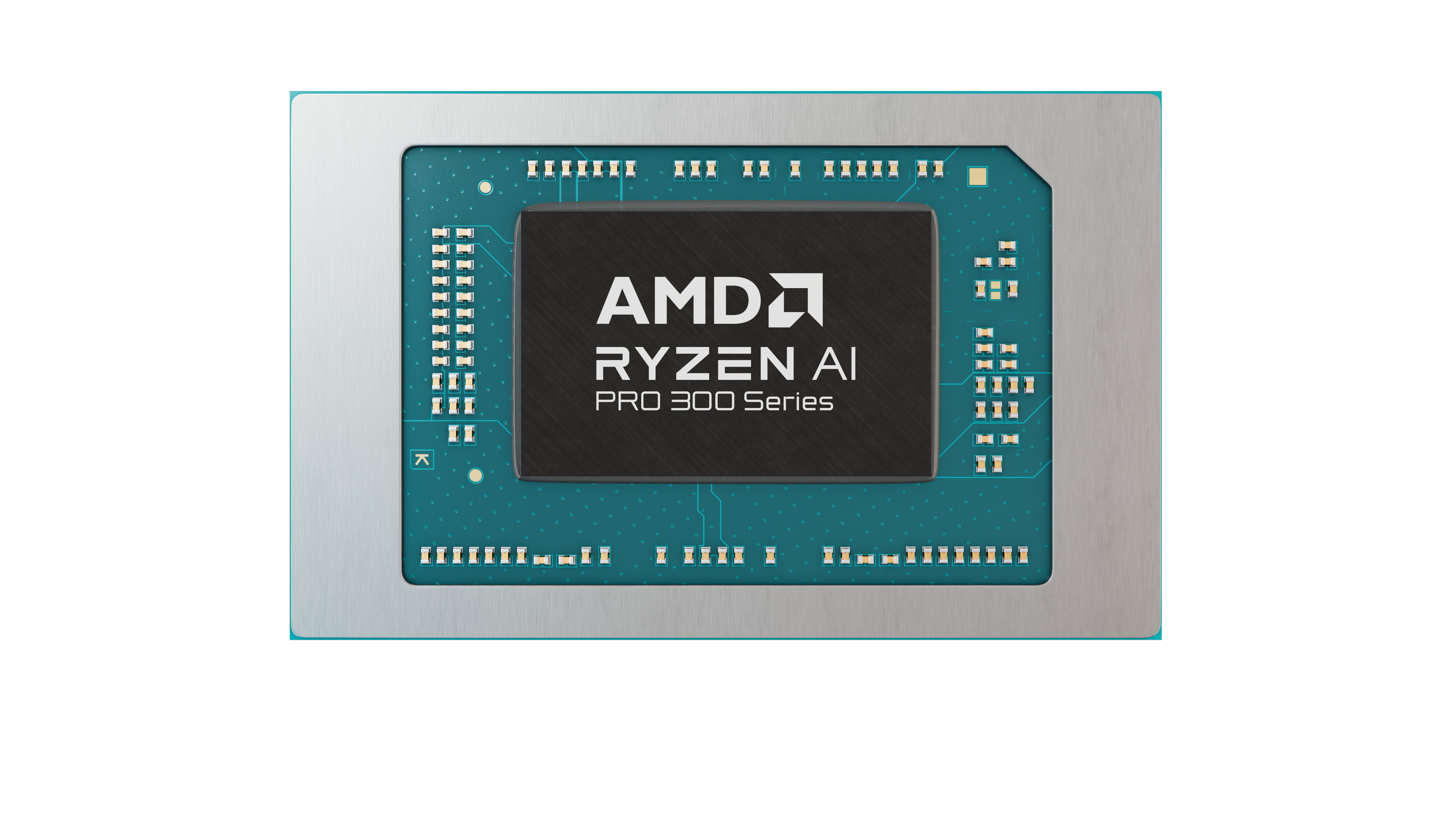
The newly launched Ryzen AI PRO 300 series processors, incorporating "Zen 5" and XDNA 2 architectures, promise enhanced performance, extended battery life, and enterprise-level security features. These processors have already been integrated into Microsoft Copilot+ enterprise laptops.
Collaboration and Ecosystem Expansion
AMD showcased its expanding AI ecosystem through collaborations with major partners, emphasizing the importance of the open AI ecosystem. The ROCm open-source AI software by AMD continues to gain popularity, with support for over a million AI models.
Future Prospects
AMD's commitment to the open AI ecosystem is evident through its continuous investment in the ROCm software stack, introducing new tools and support to enhance the performance of AI applications. Companies such as Essential AI and Luma AI have discussed the optimization of AI models using AMD's hardware and software.








