
EU Data Protection Board Criticizes ChatGPT for Data Accuracy Failures
The European Union’s Data Protection Board (EDPB) has issued a critical report regarding the data accuracy standards of ChatGPT, an AI language model developed by OpenAI. According to the EDPB, ChatGPT fails to meet the stringent data accuracy requirements mandated by the General Data Protection Regulation (GDPR), raising significant concerns about its widespread use in various sectors.
Inaccurate and Outdated Information
One of the primary issues identified by the EDPB is the dissemination of inaccurate and outdated information. ChatGPT, which draws on a vast dataset compiled up to 2023, has been found to occasionally produce responses that do not reflect the most current knowledge or data. This has led to a number of high-profile errors, including providing incorrect medical advice, misrepresenting legal facts, and perpetuating outdated scientific theories.
“While AI has the potential to revolutionize how we access and process information, it is crucial that the information provided is accurate and reliable,” said Andrea Jelinek, the Chair of the EDPB. “ChatGPT’s current performance in this regard is below the acceptable threshold set by the GDPR.”
Impact on User Trust and Safety
The implications of these inaccuracies extend beyond mere inconvenience. In sectors such as healthcare, finance, and law, the reliance on accurate information is paramount. The EDPB report detailed several cases where individuals followed ChatGPT’s advice to their detriment. In one instance, a user seeking medical guidance received outdated treatment recommendations, leading to health complications.
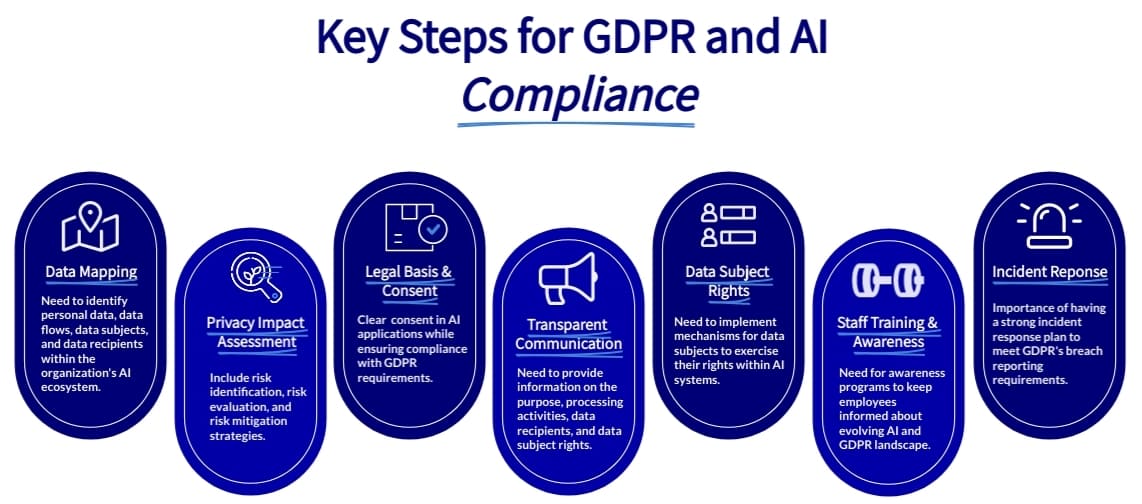
Moreover, the issue of misinformation is compounded by the model’s authoritative tone, which can mislead users into taking the provided information at face value without further verification. The board emphasized that this undermines user trust and poses a significant risk to public safety and well-being.
GDPR Compliance Concerns
Under the GDPR, data accuracy is a fundamental requirement. Article 5 of the regulation mandates that personal data must be accurate and kept up to date, with every reasonable step taken to ensure that inaccurate data is erased or rectified without delay. The EDPB’s findings suggest that ChatGPT, in its current form, fails to fully comply with these obligations.

The report also pointed to deficiencies in OpenAI’s transparency about how the model’s data is curated and updated. Users and regulators have called for more clarity on the mechanisms in place to ensure data accuracy and the frequency of data updates.
OpenAI’s Response and Remedial Measures
In response to the EDPB’s report, OpenAI issued a statement acknowledging the findings and outlining steps to address the highlighted issues. The company stated that it is committed to improving the data accuracy of ChatGPT and enhancing the transparency of its operations.
“OpenAI takes the EDPB’s findings very seriously,” said Sam Altman, CEO of OpenAI. “We are implementing several immediate measures to improve data accuracy and are working on long-term solutions to ensure compliance with GDPR standards. This includes accelerating our data update cycles, enhancing our verification processes, and increasing our transparency with users and regulators.”
Implications for the AI Industry
The EDPB’s scrutiny of ChatGPT is expected to have broader implications for the AI industry. As AI technologies become more integrated into everyday life, regulatory bodies worldwide are likely to adopt more rigorous standards for data accuracy and transparency. This development signals a shift towards greater accountability for AI developers, ensuring that AI systems provide reliable and safe information to users.

Experts believe that the EDPB’s findings will prompt other AI developers to re-evaluate their data handling practices and prioritize compliance with data protection regulations. This could lead to a new era of AI development where accuracy and reliability are as crucial as innovation and functionality.
Conclusion
The EDPB’s report on ChatGPT marks a significant moment in the ongoing conversation about AI ethics and regulation. As OpenAI works to address these concerns, the broader AI community is watching closely. The emphasis on data accuracy and compliance with GDPR standards underscores the need for responsible AI development that prioritizes user safety and trust.
In the coming months, the EDPB is expected to release further guidance on AI data accuracy, providing a roadmap for developers to align their practices with regulatory expectations. For now, the spotlight remains on OpenAI as it navigates the challenges of enhancing ChatGPT’s accuracy while maintaining its innovative edge.








