Meta Releases AI Model That Can Check Other AI Models' Work
Meta has announced the release of a new batch of AI models, including a groundbreaking "Self-Taught Evaluator." This new tool has the potential to reduce the need for human intervention in the AI development process significantly.
The Self-Taught Evaluator, introduced in an August paper by Meta, employs a "chain of thought" technique similar to OpenAI's o1 models. By breaking down complex problems into manageable steps, the evaluator can make reliable judgments about the responses of other AI models. This approach has proven to enhance response accuracy in challenging subjects like science, coding, and math.
One of the key features of Meta's Self-Taught Evaluator is that it was trained entirely on AI-generated data, eliminating the need for human input during the training phase. This ability to use AI to evaluate other AI models opens up possibilities for the development of autonomous AI agents capable of self-improvement.
The Future of Autonomous AI Agents
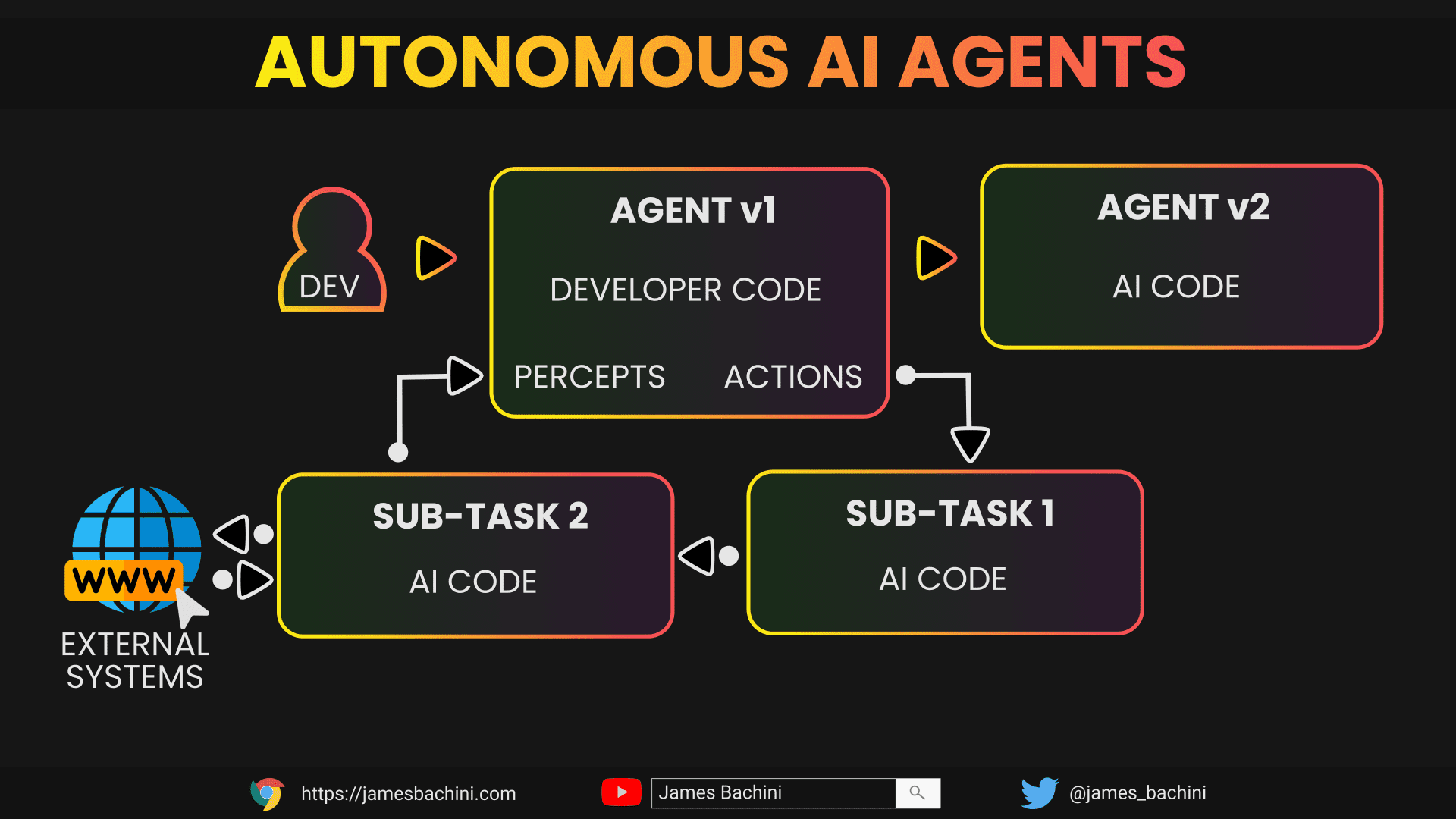
According to Meta researchers, autonomous AI agents could revolutionize various industries by performing complex tasks without human intervention. These digital assistants would be intelligent enough to carry out a wide range of functions independently.
By eliminating the reliance on Reinforcement Learning from Human Feedback, self-improving AI models offer a more efficient and cost-effective alternative. This traditional process often involves human annotators with specialized expertise to label data accurately and verify the correctness of responses to complex queries.
Jason Weston, a researcher at Meta, highlighted the potential of AI surpassing human capabilities in evaluating its own work. He emphasized the importance of self-teaching and self-evaluation in achieving super-human AI levels.
Industry Insights and Developments
Other companies like Google and Anthropic have also conducted research on Reinforcement Learning from AI Feedback (RLAIF). However, Meta stands out by making its models publicly available. This transparency promotes collaboration and innovation within the AI community.
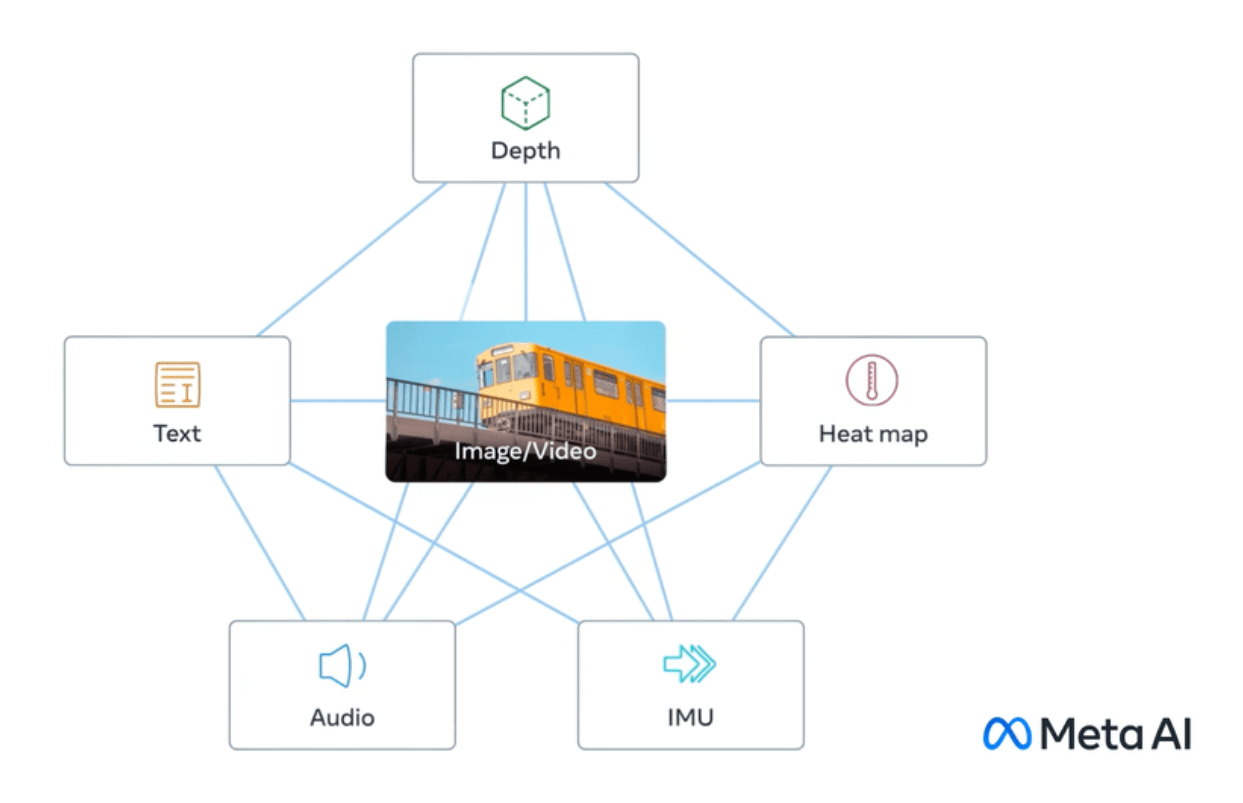
Aside from the Self-Taught Evaluator, Meta has introduced several other AI tools, including enhancements to the image-identification Segment Anything model and a tool for accelerating LLM response generation times. Additionally, Meta has provided datasets to facilitate the discovery of new inorganic materials.
With these advancements, Meta is driving progress in the field of AI and paving the way for more sophisticated and autonomous AI systems.
For the latest tech news and reviews, follow Gadgets 360 on Twitter, Facebook, WhatsApp, Threads, and Google News. Subscribe to the YouTube channel for the latest videos on gadgets and tech.