When to Use Each ChatGPT Model, According to OpenAI | Lifehacker
ChatGPT offers a variety of AI models to power chatbots, each with its own unique capabilities. OpenAI provides insights on when to use each model, guiding users on the most suitable scenarios.
Choosing the Right Model
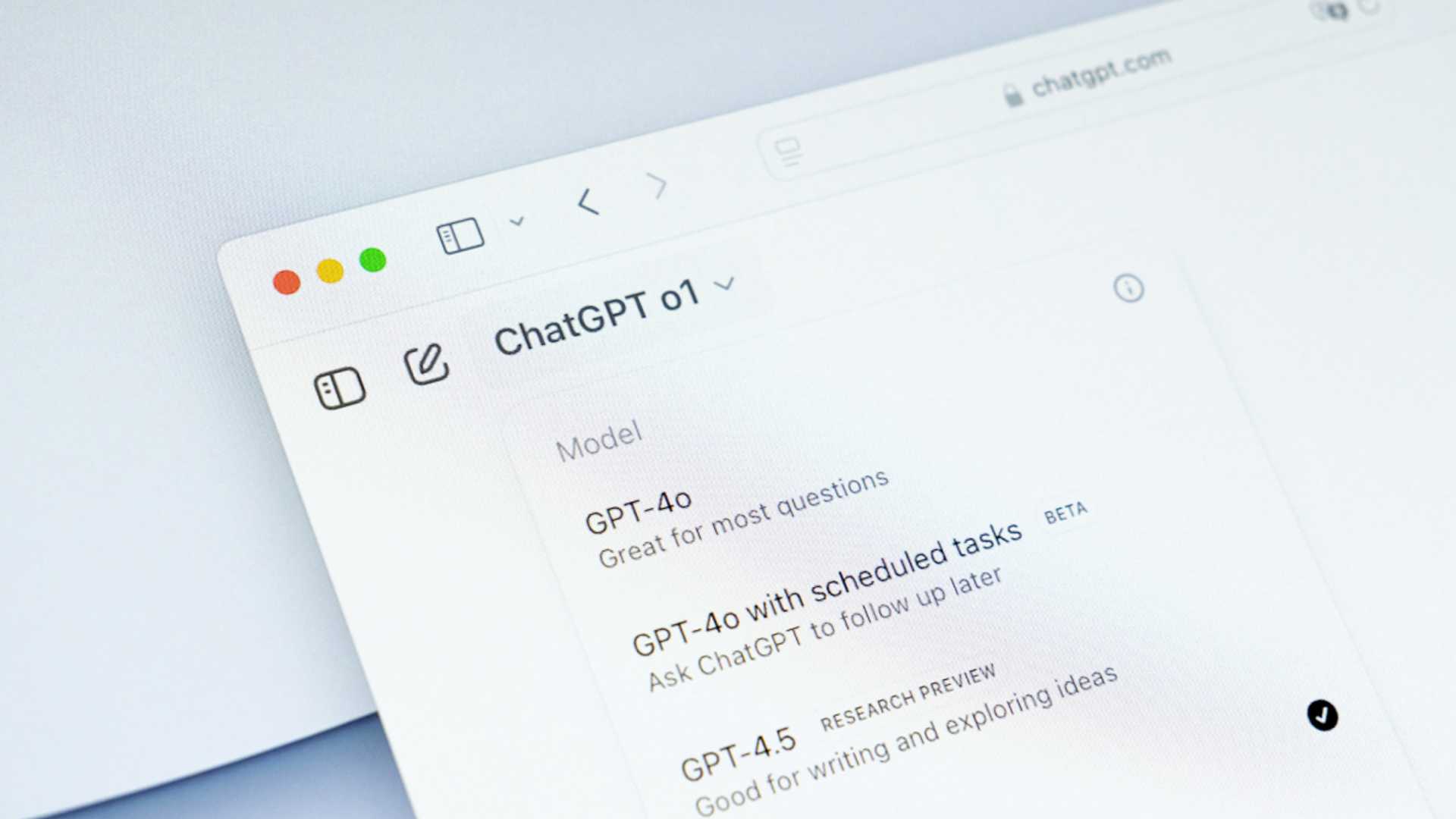
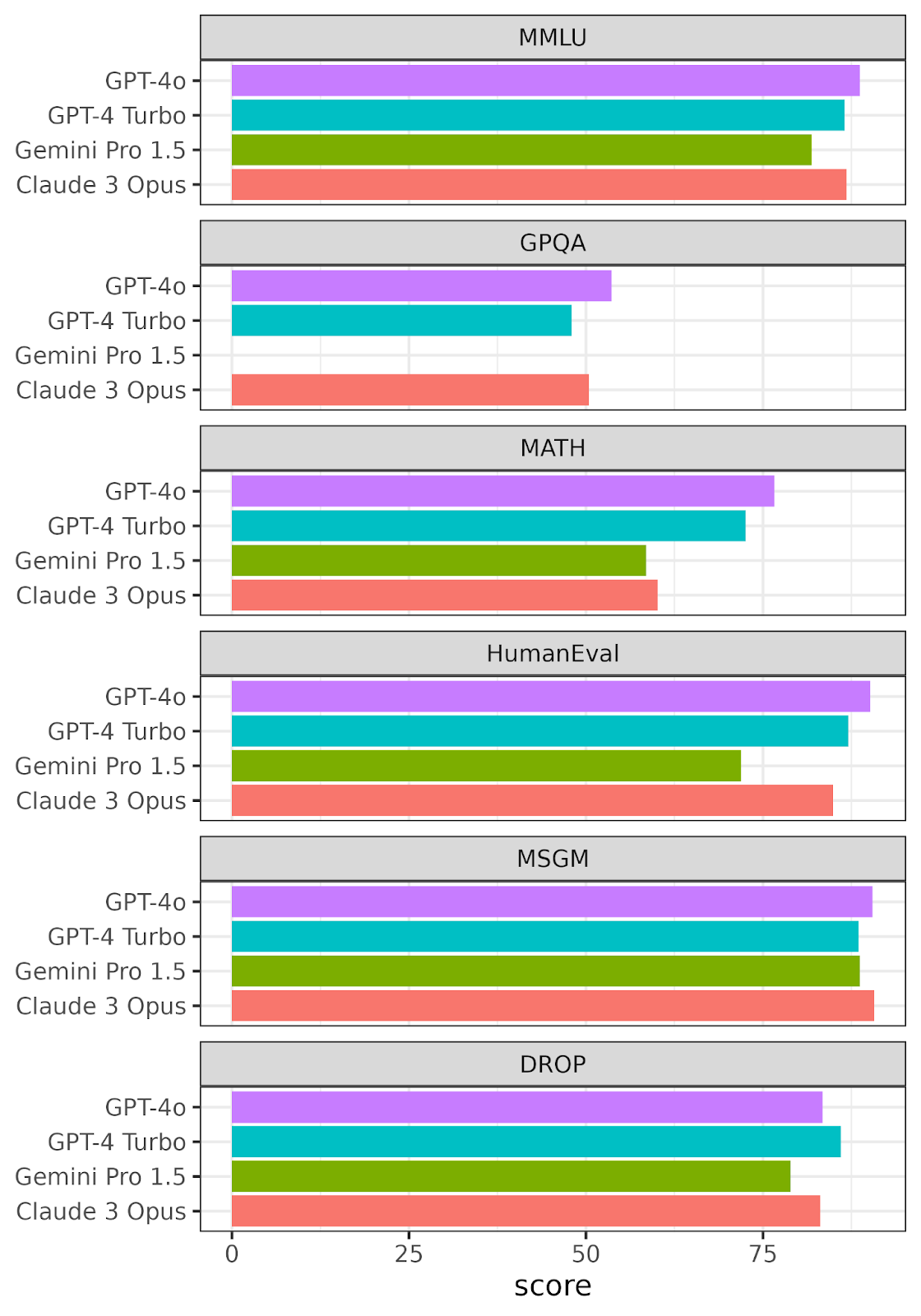
According to OpenAI, GPT-4o is recommended for everyday tasks such as brainstorming, summarizing text, drafting emails, and creative content creation. This model is ideal for activities like summarizing meeting notes, drafting project launch emails, proofreading reports, and real-time brainstorming. Users can even upload sketches or screenshots to enhance the model's responses.
On the other hand, GPT-4.5, introduced in preview earlier this year, is highlighted for tasks requiring emotional intelligence, clear communication, creativity, and collaborative brainstorming. Recommended scenarios for this model include crafting engaging LinkedIn posts, writing product descriptions, and composing empathetic apology letters to customers.

Reasoning models like o3 take a different approach by breaking down problems step-by-step for thoughtful outputs. OpenAI's flagship reasoning model, o3, is recommended for complex tasks like detailed planning, advanced math, science, and visual reasoning. It excels in generating risk analyses, developing business strategies, and conducting detailed spreadsheet analyses.
Specialized Use Cases
OpenAI also offers o4 reasoning models—o4-mini and o4-mini-high with more focused applications. O4-mini is suitable for fast technical tasks such as data extraction, summarizing scientific articles, and Python issue resolution. In comparison, o4-mini-high caters to detailed technical tasks like solving complex math problems and explaining scientific concepts in layman's terms.
While all users can access o4-mini, paid subscribers gain access to o4-mini-high and o3 models. Free users have limited access to o4-mini.
Exploring ChatGPT Models
Despite the recommendations, finding regular use cases for ChatGPT models can be challenging for some users. Tasks like coding or AI art generation may not align with everyone's needs, and some users prefer to handle text generation themselves. However, experimenting with new features remains a common use case for many users.
OpenAI continues to advance generative AI capabilities, offering potential for future applications that may better suit individual needs.

Disclosure: Lifehacker’s parent company, Ziff Davis, filed a lawsuit against OpenAI in April, alleging copyright infringement.
Lifehacker provides tech assistance and life advice based on reliability and credibility. From utilizing AI in daily life to choosing the right tech products, Lifehacker aims to enhance the tech experience for its readers.