Google Maps introduces AI features to help users explore and...
Google Maps is embarking on a new journey driven by artificial intelligence, as announced on Thursday. This shift will incorporate more of the groundbreaking AI technology that Google has been integrating into its search engine, into the digital mapping service which the internet giant introduced close to two decades ago, as part of its venture into uncharted territories.
Surpassing 2 billion monthly users worldwide for the first time, Google Maps has become an indispensable tool for people in their daily travels and explorations. With the introduction of Google's AI-powered Gemini technology, the maps are now evolving into not just navigational aids, but also serving as entertainment guides.
Enhanced User Experience
Starting this week in the U.S. only, users will have the ability to interact with Google Maps to seek recommendations on activities around specific locations in a neighborhood or city. They will receive curated lists of nearby restaurants, bars, and attractions, complete with reviews accumulated over the years. Additionally, users will have access to detailed information on parking facilities near their destination and walking directions post-parking.
Miriam Daniel, the general manager of Google Maps, shared during a press preview in Palo Alto, California, "We are entering a new era of maps. We are transforming how you navigate and explore the world."
AI-Powered Updates
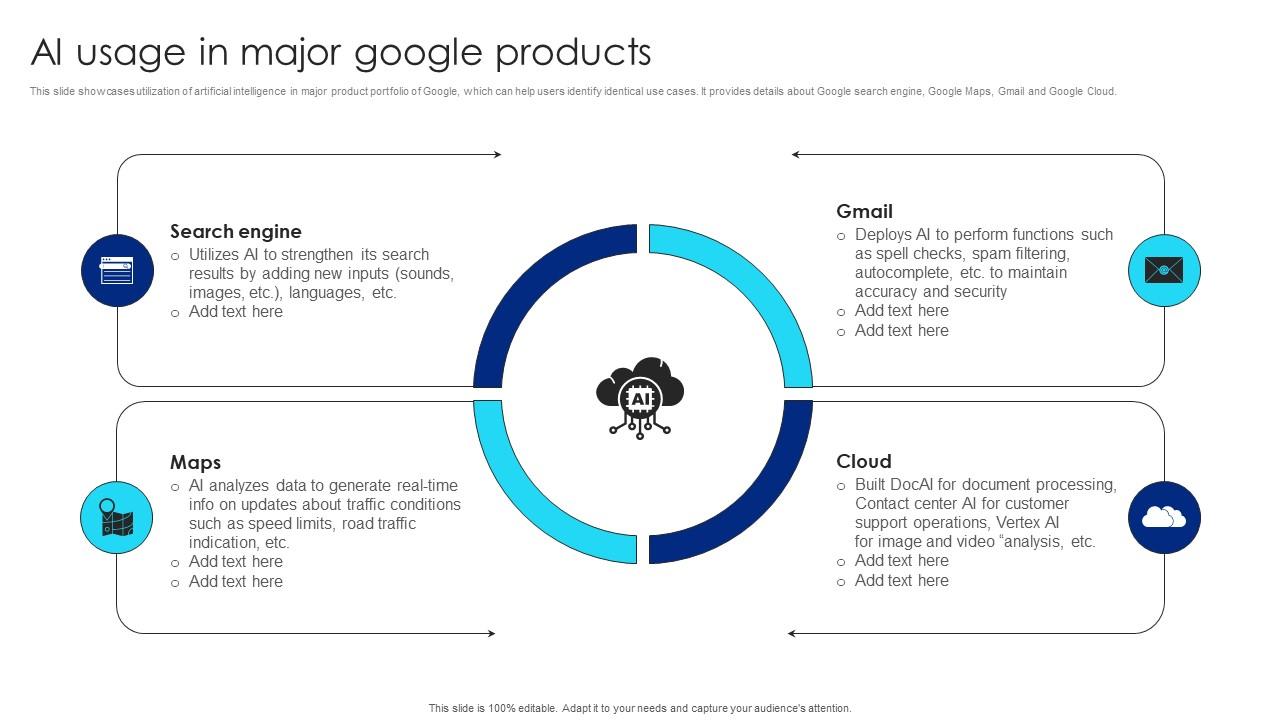
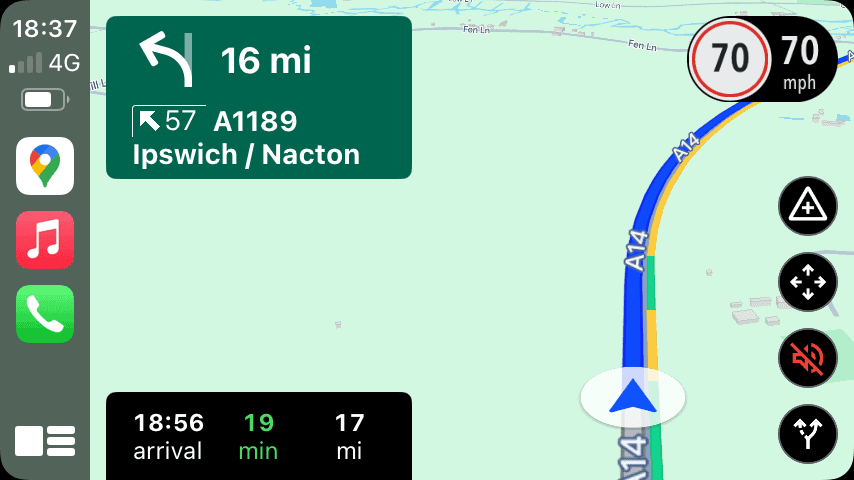
Google Maps is addressing user concerns by introducing more detailed imagery, aiding in better lane guidance well before a turn is required. In a unique AI integration, Google is allowing third-party developers to leverage the language models behind its Gemini technology, enabling users to inquire about specific destinations and promptly receive accurate responses.
Furthermore, Google's Waze, a navigation app focusing on real-time driving directions with roughly 180 million monthly users, will utilize AI to facilitate users in reporting road hazards and potential delays.
Google's decision to infuse AI into a critical service like Maps underscores its confidence in the reliability of its Gemini technology to prevent misinformation or inaccuracies, referred to as "hallucinations." Notably, Google's AI has encountered erroneous summaries, such as recommending gluing pizza and asserting that James Madison, the fourth U.S. president, graduated from the University of Wisconsin.
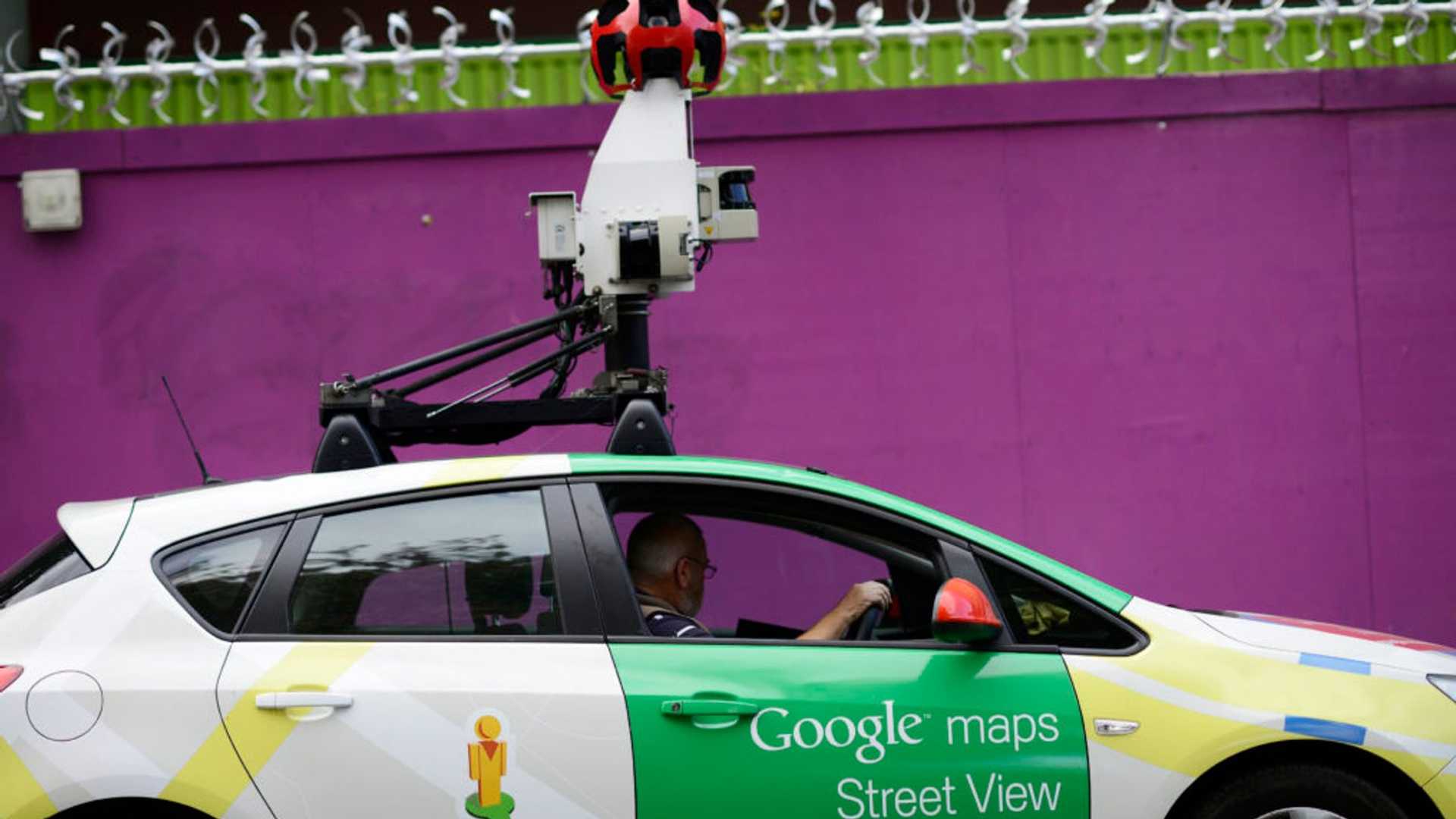
Left: A Google maps car makes its way through London, Britain, October 6, 2016. Photo by Dylan Martinez/REUTERS© 1996 - 2024 NewsHour Productions LLC. All Rights Reserved. PBS is a 501(c)(3) not-for-profit organization.
Support Provided By: Learn more
Support PBS News: Subscribe to Here’s the Deal, our politics newsletter for analysis you won’t find anywhere else. Thank you. Please check your inbox to confirm.