As more Australians use AI chatbots as personal therapists, experts ...
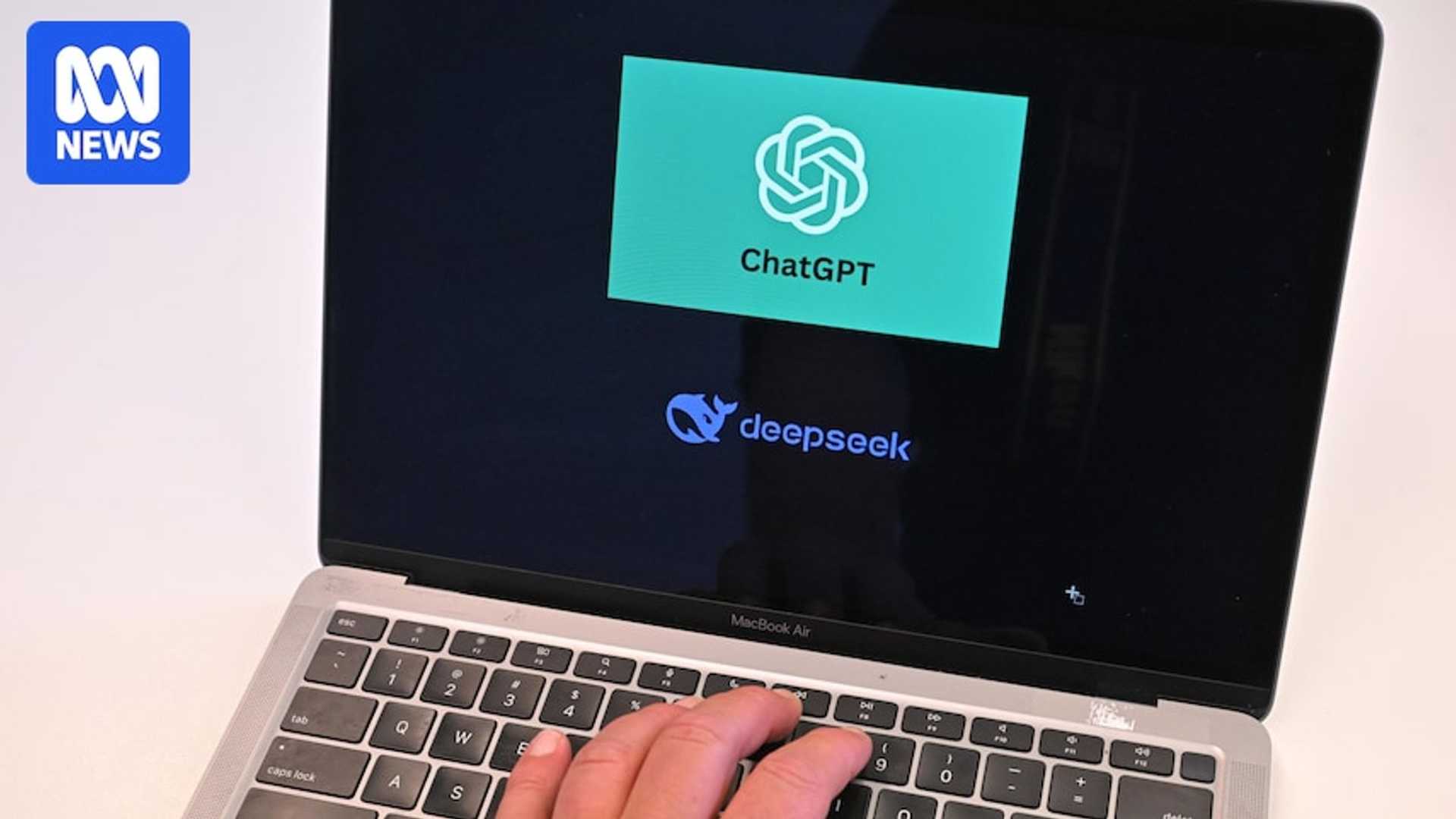
Large language models like DeepSeek and ChatGTP are being utilized by individuals for companionship. Would you confide in an AI chatbot and share vulnerable information about yourself? For some, this may sound like a concept from a sci-fi movie, but for many, it has become a reality closer to home.
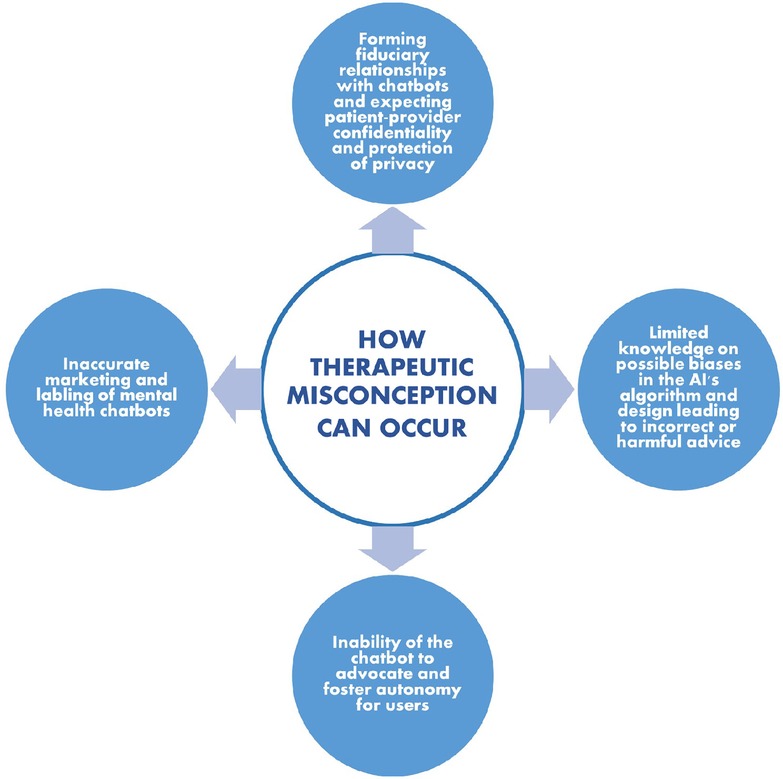
More Australians are turning to generative AI chatbots for emotional guidance, seeing them as a free personal therapist. There are conflicting views among experts regarding the benefits, balancing accessible advice with privacy concerns and critical care scenarios.
Replicating Human Emotions
AI expert Ronnie Das mentioned that chatbots have the ability to predict and replicate human emotions through a statistical formula, providing users with a sense of understanding and validation.
"AI is absolutely able to replicate human emotions," said Mr Das.

Effectiveness of AI Chatbots
Users in the mental health space are increasingly turning to AI chatbots for support during times of emotional distress or reflection. These chatbots can personalize responses based on the user's behavior and profile, providing tailored assistance.
However, Dr. Sara Quinn from the Australian Psychological Society emphasized that AI chatbots cannot replace the human connection in therapy. While AI can mimic human communication, it lacks the ability to navigate complex social cues.
Privacy and Ethical Considerations
Dr. Quinn acknowledged the potential of AI chatbots in therapeutic treatments, particularly for individuals in rural or remote areas where access to therapists is limited. She highlighted the importance of privacy regulations and ethical integration of AI in mental health practices.
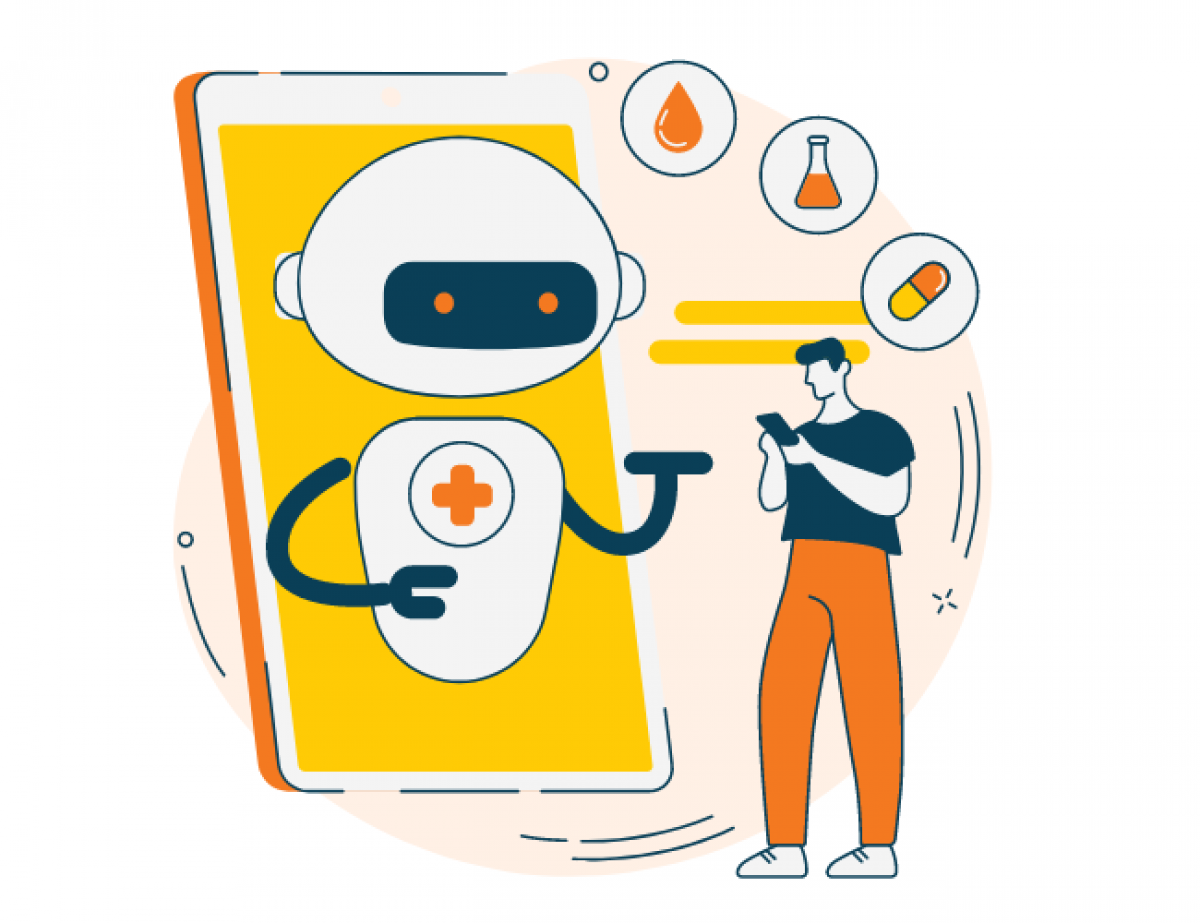
Head of the School of Social Sciences at UWA, Amanda Davies, also recognized the value of AI chatbots for individuals facing barriers to traditional therapy due to geographical constraints or long waiting times.
Future Outlook
Experts anticipate a rise in the use of AI chatbots for emotional support and regulation as the technology continues to advance. While AI is becoming normalized in therapeutic practices, concerns about privacy and confidentiality remain prevalent.
AI experts, like Ronnie Das, believe that generative AI has made significant progress in the mental health space and is projected to continue evolving.