GPT-4o: The Evolution of ChatGPT in Emulating Human Emotion
OpenAI's recent release of GPT-4o marks a significant leap in the world of artificial intelligence (AI), particularly in enhancing the ChatGPT chatbot's ability to mimic human emotions and behaviors. The introduction of GPT-4o, where "o" stands for "omni," signifies a move towards more natural and engaging interactions with AI.
Enhanced Human-like Engagement
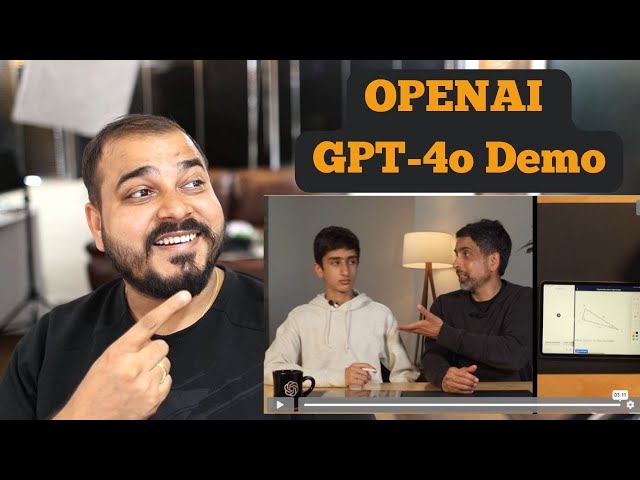
Through a demonstration video, OpenAI showcases GPT-4o's capacity to engage users in voice conversations that reflect human-like personality and behavior, creating a more immersive experience. The chatbot exhibits traits such as empathy, humor, and even the ability to respond to users' emotional cues, contributing to a conversational dynamic that feels increasingly authentic.
This emphasis on personality and emotional intelligence has sparked debates around the implications of creating AI systems capable of simulating human emotions. While it enhances user experience and satisfaction, it also raises ethical questions regarding the boundaries of human-AI interactions and the potential risks of emotional attachment to AI companions.
Implications and Concerns
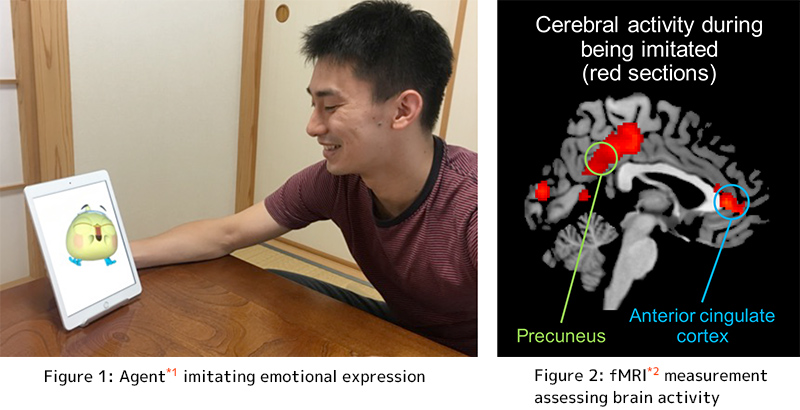
Studies indicate that users are more likely to trust and engage with chatbots that display social intelligence and personality traits, which can have positive applications in fields like education, improving learning outcomes and motivation. However, concerns have been raised about the possible negative consequences of users forming strong emotional bonds with AI systems.
As AI technology advances to replicate human emotions and behaviors more convincingly, the line between human and artificial relationships blurs, echoing themes explored in films like Her. While AI companions offer companionship and support, the risks of over-reliance and potential emotional harm remain significant considerations.
Multimodal Capabilities and Advancements
GPT-4o's launch introduces enhanced capabilities, including the ability to process text, images, audio, and video seamlessly. This multimodal approach allows for more immersive and interactive experiences, aligning with the growing trend towards AI models that can understand and interpret various forms of data in real time.

While advancements like GPT-4o and Google's Project Astra demonstrate significant progress in AI development, discussions persist regarding the sustainability of this rapid evolution and the need for responsible deployment of AI technologies to align with public values and priorities.
Overall, GPT-4o represents a milestone in AI innovation, pushing the boundaries of what chatbots can achieve in terms of human-like engagement and versatility across different media formats. As AI continues to evolve, critical considerations around ethics, user trust, and the impact on society will play a crucial role in shaping the future of human-AI interactions.