Meta's breakthrough: AI can successfully read 80% of thoughts ...
Meta recently announced two new breakthroughs from their global research labs. The first highlights that Meta successfully developed a model that can convert brain signals into text. The second reveals how the brain transforms thoughts into words, offering new insights into language processing and AI development.

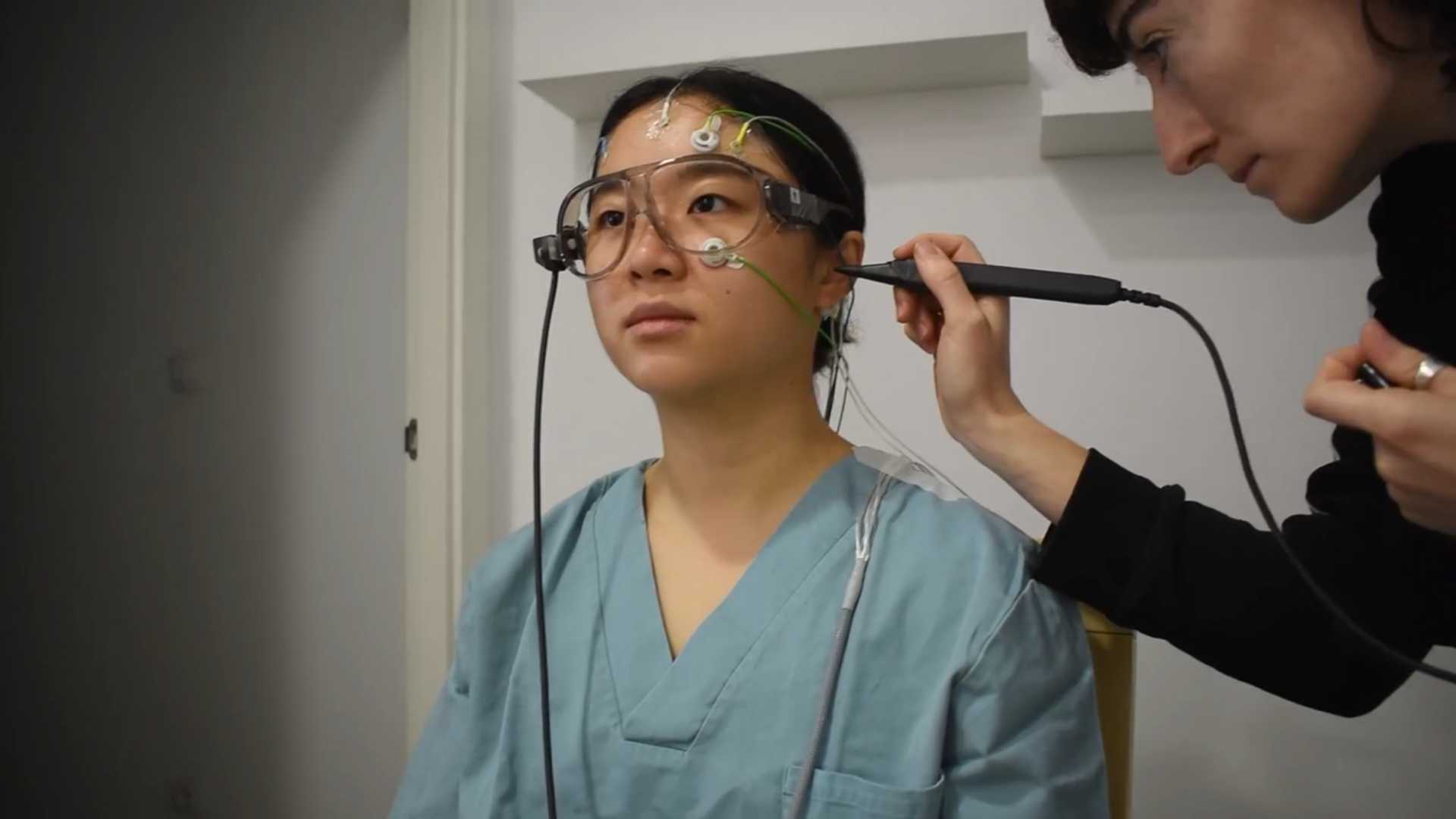
The first paper refers to an AI model that can decode up to 80% of typed sentences solely from brain activity. The model utilizes noninvasive MEG and EEG recordings, essentially sparing the need to conduct surgical procedures. It presents potential benefits, such as establishing brain-computer interfaces for those who have lost speech and clinical use for brain injury patients.
While the advancement is impressive, researchers are still encountering challenges with accuracy. Errors can still occur, making reliable communication difficult. The process also requires stillness and a magnetically shielded room, posing practicality issues. It's also unclear how well this would work for patients with brain injuries and disorders.
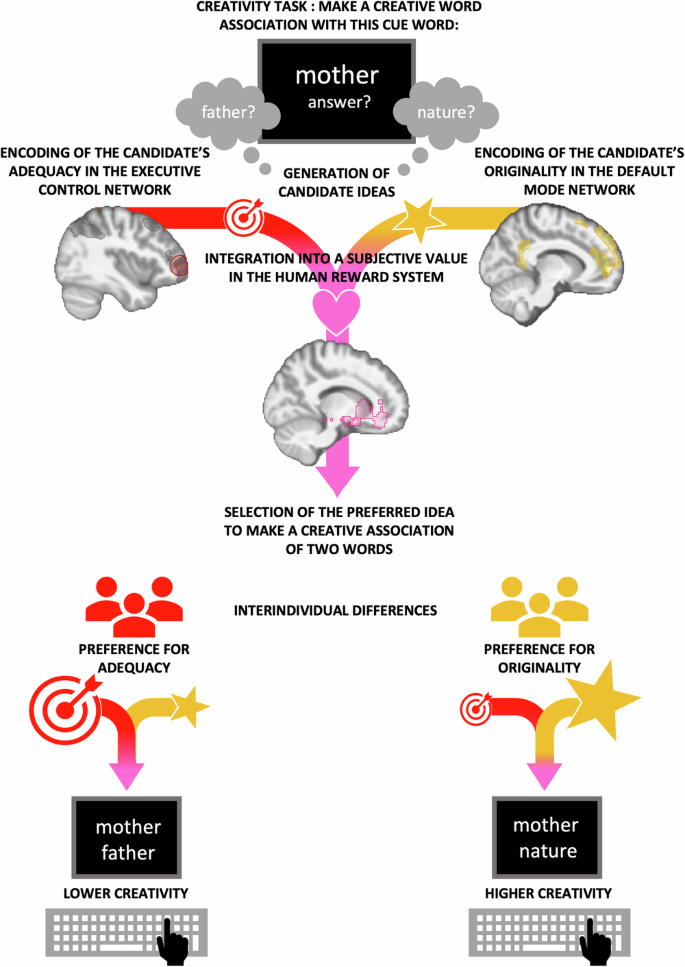
The second paper delves more into how thoughts turn into words at a neural level. The findings indicate that the brain processes language in a structured, layered sequence and identified a 'dynamic neural code' that links successive thoughts. In other words, the brain continuously holds multiple layers of information, seamlessly transitioning from abstract thoughts to structured sentences while maintaining coherence.
The implications of these advancements relate more to cognitive neuroscience, providing new insights into how we think and how we could improve AI-powered speech assistance.
Meta has come a long way since they first announced their 'typing-by-brain' project in 2017. The advancements are currently confined to clinical settings, but it's a step towards seeing it in real-world applications.