
Data protection officer finds Meta's AI training with user data concerning
The Federal Data Protection Commissioner has raised concerns regarding Meta AI's training with user data, criticizing the decisions made by Cologne's court and Irish officials in permitting this practice, citing privacy issues.

Meta has recently been granted permission to utilize the data of all adult European users of Facebook and Instagram for training its AI applications, including the large language model LLaMA, unless users opt-out of this data usage. Federal Data Protection Commissioner Louisa Specht-Riemenschneider expressed disbelief at this development, particularly criticizing the decision by the Cologne Higher Regional Court to dismiss an application by consumer protection groups against Meta's parent company. The Irish Data Protection Authority also supported Meta's use of user data for training purposes, stating that the opt-out option suffices, a decision which Specht-Riemenschneider strongly opposes.
European Data Protection Board's Opinion
The lawyer aligns with the European Data Protection Board on the matter of training AI models with personal data, emphasizing the need for a careful balance of interests. While she acknowledges the importance of research interests, she emphasizes the necessity of legal requirements for using user data for financial gain.
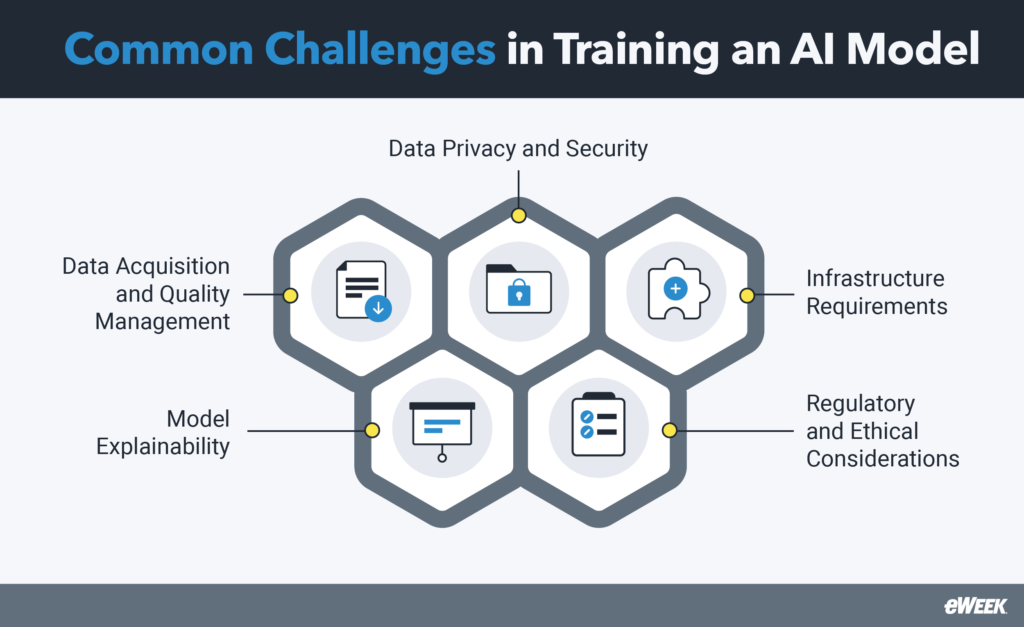
Challenges and Recommendations
Specht-Riemenschneider advocates for legislative decisions on whether such practices should be allowed, proposing that specific consent be mandatory, especially for already collected data. She highlights the importance of making the opt-out option easily accessible for users, a sentiment echoed by the President of the Federal Cartel Office, Andreas Mundt, who faced challenges in locating the opt-out button on Facebook.
Mundt emphasizes the need for a straightforward objection process and hints at potential future interventions by the Cartel Office. He raises concerns over the immense volume of user data being used for AI training and the implications of Meta's market power.
Regulatory Challenges and Efforts
Specht-Riemenschneider also critiques the General Data Protection Regulation for its handling of tracking consent, calling for improvements in informing data subjects. The enforcement of the Digital Services Act faces obstacles, as highlighted by Klaus Müller, President of the Federal Network Agency, emphasizing the need for sufficient resources and legal clarity.
As regulatory authorities navigate these challenges, proactive measures such as advance consultations and strategic planning are deemed essential to address regulatory issues effectively.
Stay Informed
For more updates, follow us on Facebook, LinkedIn, or Mastodon.
This article was originally published in German. It was translated with technical assistance and editorially reviewed before publication.