OpenAI launches Codex, an AI coding agent, in ChatGPT
OpenAI announced on Friday it’s launching a research preview of Codex, the company’s most capable AI coding agent yet. Codex is powered by codex-1, a version of the company’s o3 AI reasoning model optimized for software engineering tasks. OpenAI says codex-1 produces “cleaner” code than o3, adheres more precisely to instructions, and will iteratively run tests on its code until passing results are achieved.
AI Coding Agent Capabilities
The Codex agent runs in a sandboxed, virtual computer in the cloud. By connecting with GitHub, Codex’s environment can come preloaded with your code repositories. OpenAI says the AI coding agent will take anywhere from one to 30 minutes to write simple features, fix bugs, answer questions about your codebase, and run tests, among other tasks. Codex can handle multiple software engineering tasks simultaneously, says OpenAI, and it doesn’t limit users from accessing their computer and browser while it’s running.
Availability and Access
Codex is rolling out starting today to subscribers to ChatGPT Pro, Enterprise, and Team. OpenAI says users will have “generous access” to Codex to start, but in the coming weeks, the company will implement rate limits for the tool. Users will then have the option to purchase additional credits to use Codex, an OpenAI spokesperson tells TechCrunch. OpenAI plans to expand Codex access to ChatGPT Plus and Edu users soon.
AI Coding Trends
AI tools for software engineers, also known as vibe coders, have surged in popularity in recent months. The CEOs of Google and Microsoft claim that roughly 30% of their companies’ code is now written by AI. Other companies like Anthropic and Google have also released their own AI coding tools.
Industry Growth and Competition
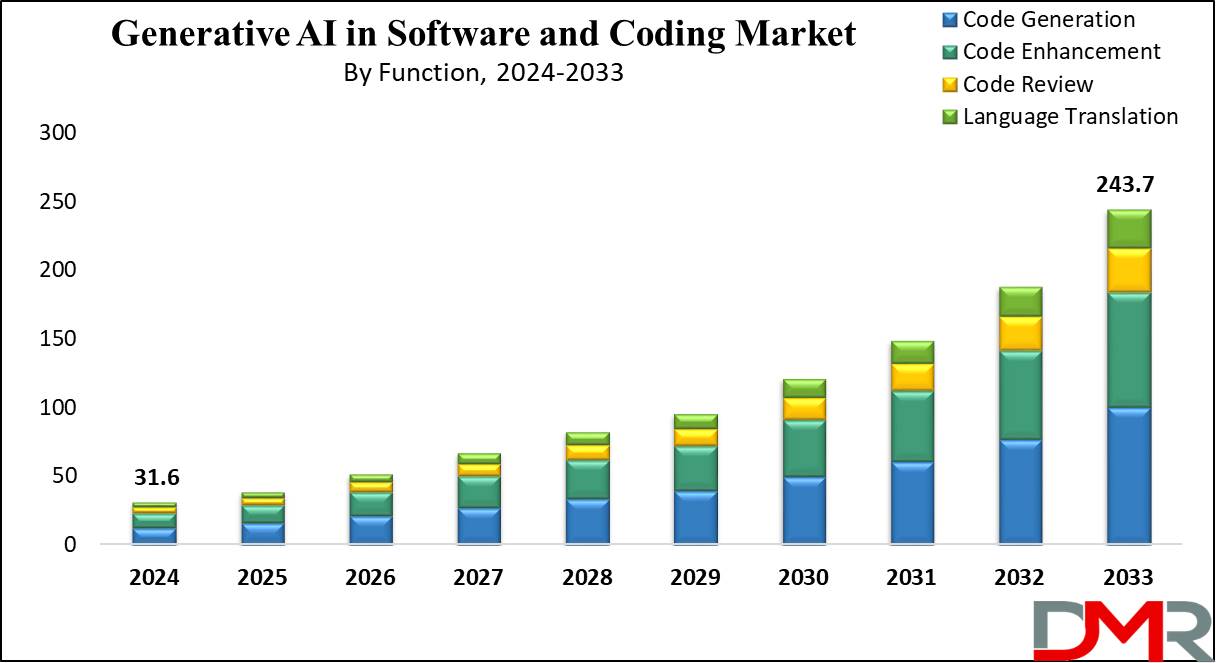
All that vibe coding has made the businesses behind AI coding platforms some of the fastest-growing in tech. Cursor, a popular AI coding tool, reached annualized revenue of around $300 million and is reportedly raising new funds at a $9 billion valuation. OpenAI's acquisition of Windsurf signals its entry into the AI coding tools market.
Future Outlook
In a briefing, OpenAI expressed its vision for Codex as a virtual teammate for human engineers, capable of autonomously completing tasks that would take hours or days for humans to accomplish. The company is also addressing safety concerns by ensuring Codex refuses requests to develop malicious software and operates in a secure environment.
Conclusion
As with all generative AI systems, AI coding agents like Codex are not without their limitations. However, the evolution of these tools continues, with updates to Codex CLI and ongoing enhancements to OpenAI's AI product offerings. The launch of Codex marks a significant step in OpenAI’s journey to empower engineers with advanced AI coding capabilities.