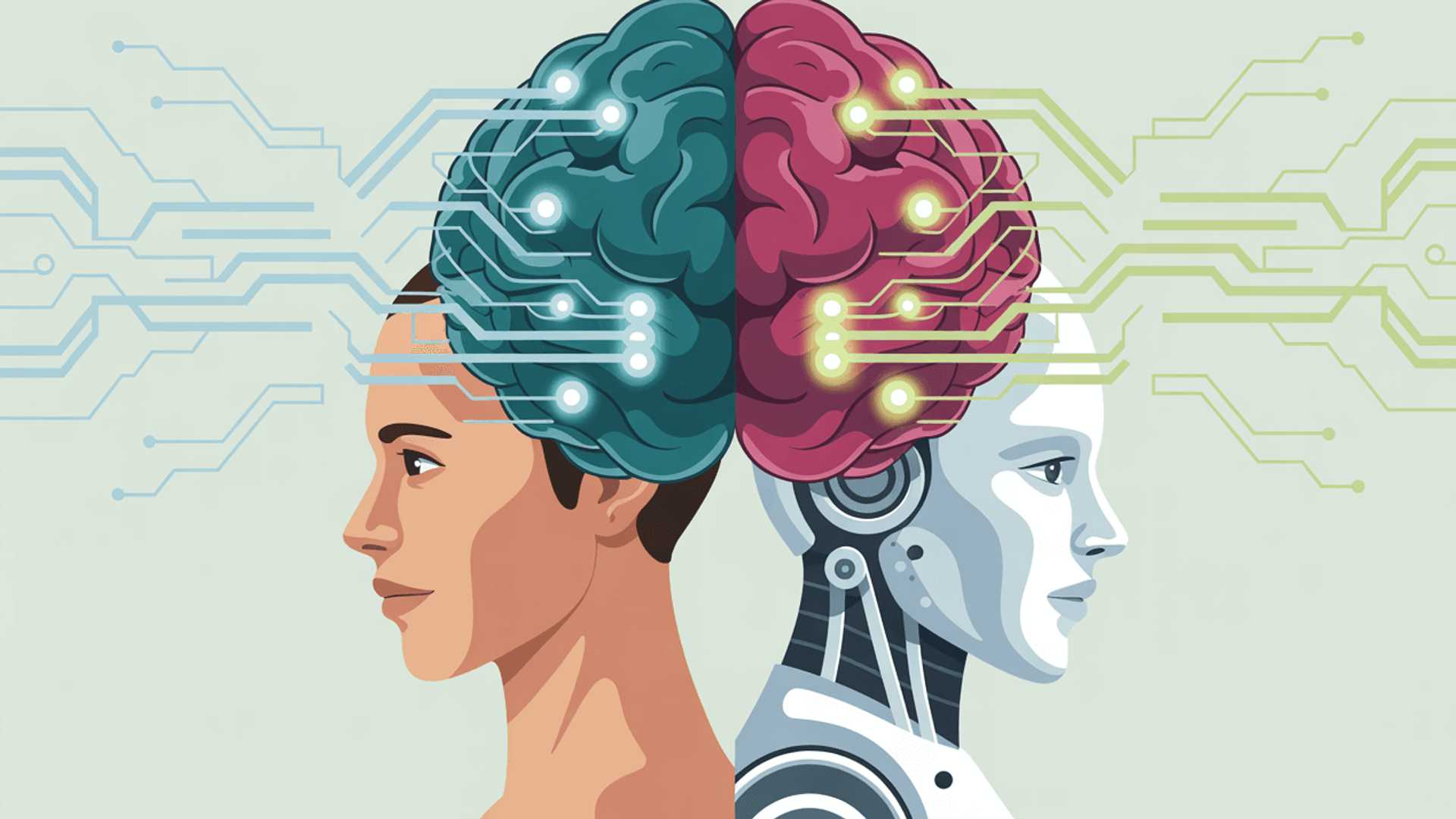
Warning: ChatGPT Destroys Memory in Just 4 Months
Your brain might be changing in ways you never imagined. A groundbreaking MIT study tracking 54 students over four months has uncovered something startling about ChatGPT and similar AI tools. The researchers discovered that people using AI for writing tasks showed dramatically weaker brain activity compared to those working without digital assistance.

The Impact on Memory
The most shocking finding? ChatGPT users struggled to remember what they had written just minutes after completing their essays. Meanwhile, students who relied only on their minds displayed the strongest neural connections and memory performance.
The study design was straightforward: EEG machines were attached to track electrical activity in participants' brains while they worked on writing tasks. Writing essays was chosen as it activates multiple brain areas simultaneously, requiring planning, memory recall, language processing, and decision-making.

The researchers found that people using ChatGPT showed the weakest brain connectivity patterns. Their neural networks were less active compared to other groups. Meanwhile, students writing without any tools had the strongest brain connections. Their minds worked harder and created more neural pathways during the task.
Impact on Memory Formation
Most concerning was the impact on memory. ChatGPT users struggled to remember what they had written and could barely quote their own essays minutes after finishing them. This is because AI tools bypass the normal memory formation process, leading to issues with memory recall.
The study focused specifically on creative writing tasks, highlighting the risks associated with heavy, regular reliance on AI for complex mental work. Context plays a crucial role, as occasional AI use for practical purposes poses less risk to cognitive abilities.
Recognizing Over-Dependence on AI
Pay attention to changes in your own thinking patterns, especially concerning signs like difficulty recalling your own work or over-reliance on AI for all mental challenges. Monitoring AI usage and engaging actively with its output can help maintain critical thinking skills.

Striking Findings
The MIT study highlights the importance of maintaining a balance when using AI tools. While these technologies offer convenience, they also come with hidden costs to our mental abilities. It's essential to know when to engage your brain and when to accept help from AI for better cognitive outcomes.
Remember, your brain needs regular exercise to stay strong. Treat AI tools as support mechanisms rather than replacements for independent thinking. By striking a balance between AI assistance and personal cognitive skills, you can leverage the benefits of AI while preserving your unique human capabilities.
Recognize the warning signs of cognitive debt and adjust your AI usage accordingly. Engage actively with AI output, schedule regular AI-free thinking sessions, and prioritize independent problem-solving to maintain mental strength.