“ChatGPT for the Brain:” Idaho State Prof. Helps Develop AI Foundation Model for Brain Activity
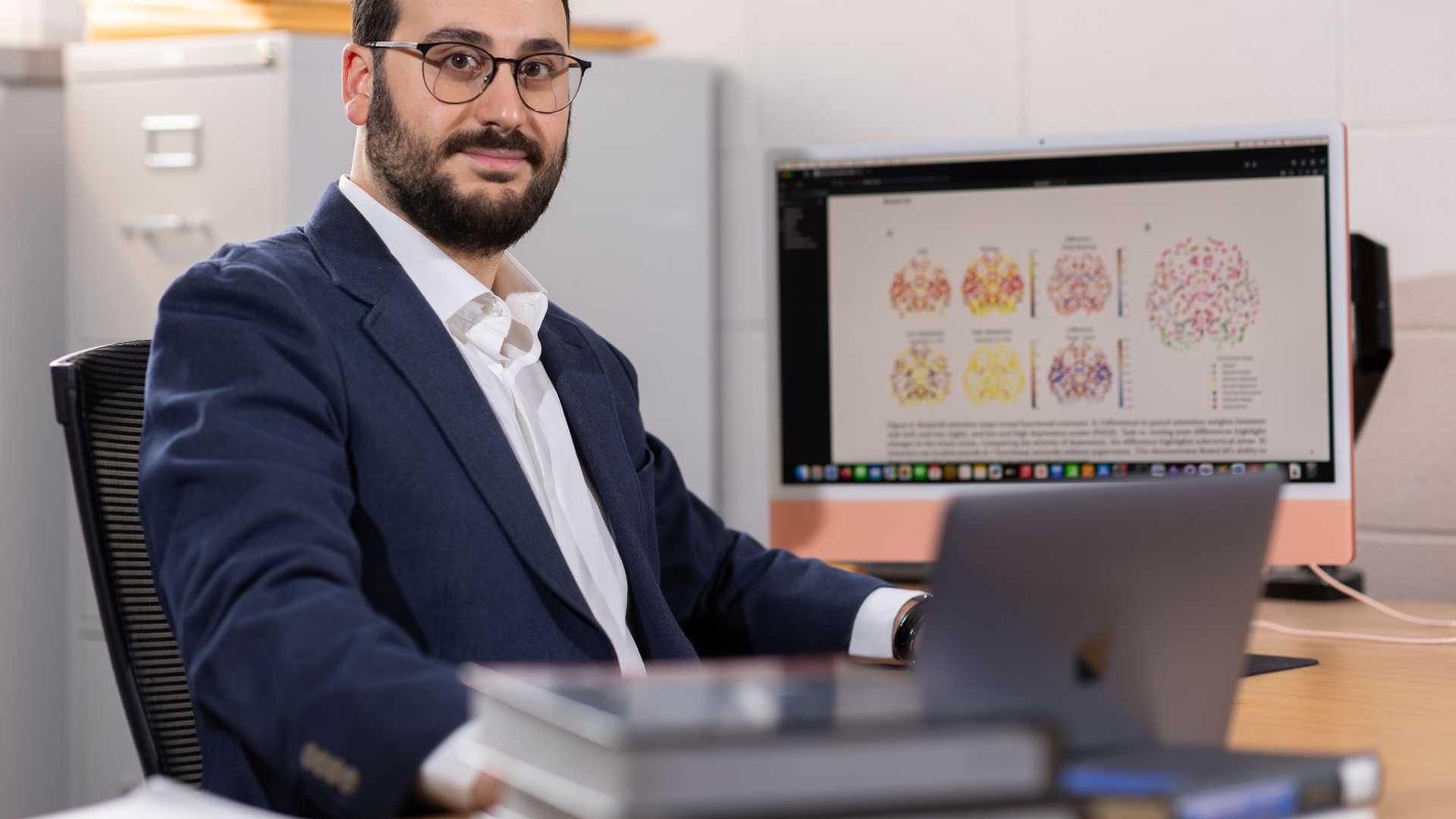
An artificial intelligence tool is on the horizon that could revolutionize the way doctors understand brain activity. Emanuele Zappala, an assistant professor of mathematics at Idaho State University, alongside collaborators from Yale University and Baylor University, has introduced BrainLM—a groundbreaking foundation model for recording brain activity. Foundation models are key tools in AI, serving as the basis for creating various other models.

The BrainLM: A ChatGPT for the Brain
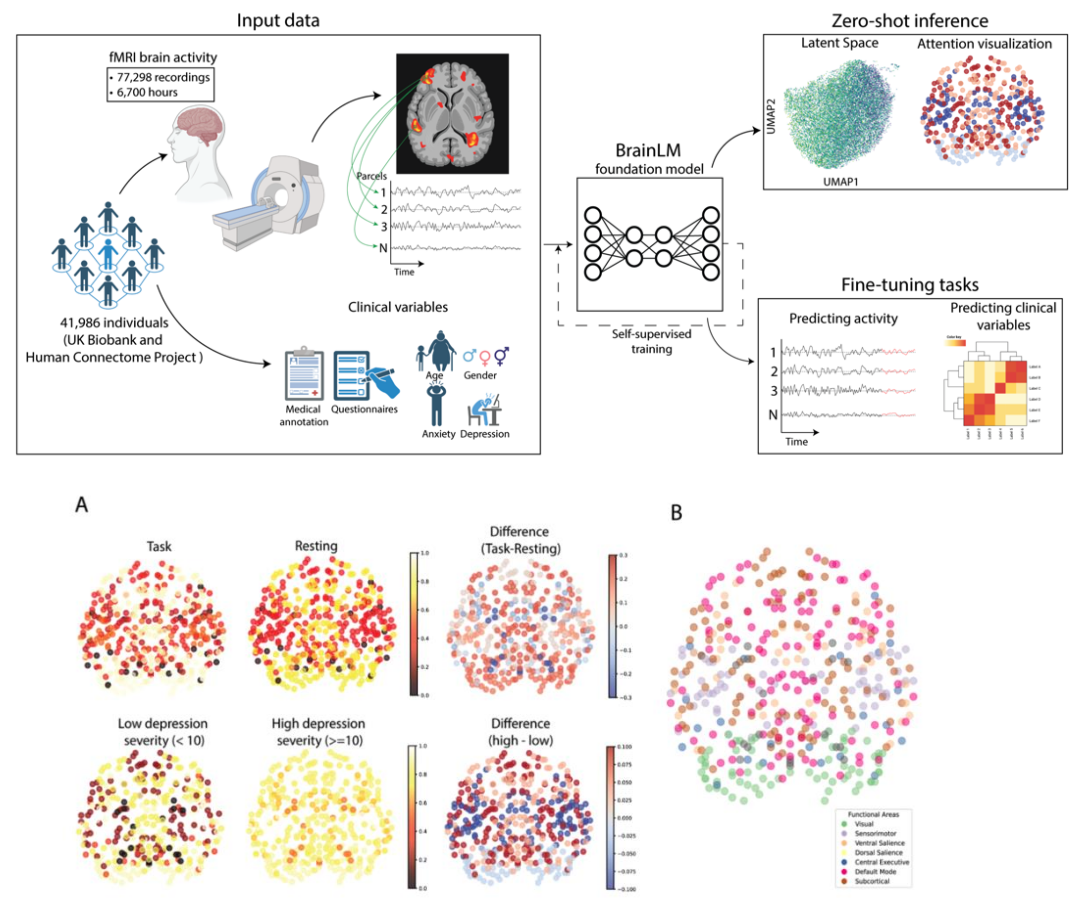
Comparing BrainLM to a ChatGPT tool, Zappala describes it as a unique AI model that diverges from generating text, images, or videos. Instead, BrainLM produces recordings of brain activity in diverse states, opening doors to unprecedented insights into brain functions.
Training and Capabilities
To develop any foundation model, extensive training on vast amounts of data is indispensable. Zappala's team trained BrainLM using 6,700 hours of brain activity recordings from approximately 42,000 anonymized individuals in the UK Biobank. This data included clinical details like age, gender, and diagnoses. Post-training, BrainLM can predict clinical variables such as age, anxiety, and post-traumatic stress disorder, generating corresponding brain activity recordings.
Benefits and Applications
BrainLM offers immense benefits to neuroscientists, enabling them to study various conditions without the need to enroll large cohorts of patients with the same ailment. Zappala explains that using BrainLM significantly reduces the time and cost involved in model training, providing researchers with a versatile foundation for their studies.

Zappala emphasizes that BrainLM's versatility extends to diverse research areas, enhancing understanding of diseases like Parkinson's and Alzheimer’s. The model paves the way for advanced AI systems specifically focused on brain-related studies and disease diagnosis.
Future Prospects
Looking ahead, Zappala plans to further utilize generative AI for disease diagnosis and research. He envisions AI models that can predict the risk of diseases like Alzheimer's years before symptoms manifest, potentially allowing for preventive measures to slow or mitigate the disease's progression.
For more information on the Department of Mathematics and Statistics at Idaho State University, visit isu.edu/math.
Explore more from Idaho State University: College of Science and Engineering, Research, University News
Contact Idaho State University: (208) 282-4636, 921 South 8th Avenue | Pocatello, Idaho, 83209