
Struggling with ChatGPT's Fabrications? Discover 5 Proven Tips to Stop the Hallucinations
In the world of artificial intelligence, ChatGPT has emerged as a powerful tool for generating human-like text. However, despite its impressive capabilities, users sometimes encounter a frustrating issue: fabrications or “hallucinations.” These are instances where ChatGPT provides inaccurate or entirely fictional information. This article will explore five proven strategies to mitigate these hallucinations and ensure that the information generated is reliable and accurate.
Why Clear Prompts Matter
The quality of ChatGPT’s responses heavily relies on the clarity of the input it receives. Vague or ambiguous prompts can lead to a wide range of potential responses, some of which may be inaccurate.
Example of a Clear Prompt
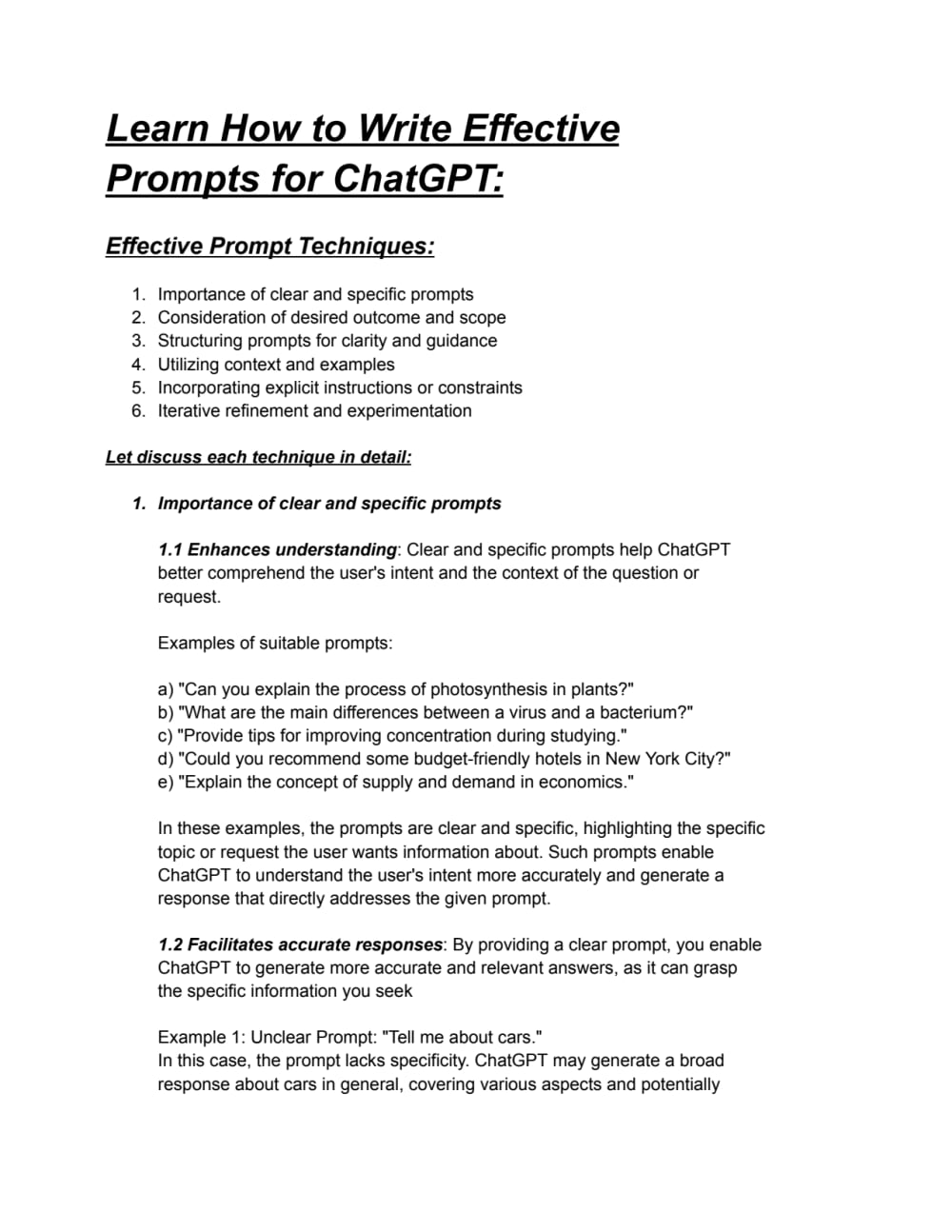
Instead of asking, “Tell me about the benefits of exercise,” specify, “Explain the top five scientifically proven benefits of regular cardiovascular exercise for adults.” By providing specific details, you guide ChatGPT to generate more focused and accurate information.
How to Implement
When crafting prompts, think about the exact information you need. Avoid open-ended questions and include relevant context. For instance, if you’re asking about a historical event, specify the time period, location, and key figures involved.
Importance of Cross-Checking
Even with clear prompts, ChatGPT’s responses should not be taken at face value. AI models can still generate incorrect information. Verifying facts through multiple reputable sources can help ensure the accuracy of the information.

Example of Cross-Checking
Suppose ChatGPT provides information about a recent scientific breakthrough. Cross-check this information with peer-reviewed journals, trusted news outlets, or official scientific organizations to confirm its validity.
How to Implement
After receiving a response from ChatGPT, take a moment to perform a quick online search or consult authoritative sources. Look for information from well-established institutions or publications that specialize in the topic at hand.
Why Follow-Ups Are Essential
Follow-up questions can help clarify ambiguous or incomplete responses. ChatGPT may not always provide all necessary details in a single response, and follow-ups can refine and expand the information.
Example of a Follow-Up Question
If ChatGPT explains the benefits of a specific diet but only briefly mentions how it works, ask a follow-up question like, “Can you provide more details on the mechanism behind this diet’s effectiveness?”
How to Implement
After receiving an initial response, evaluate if there are any gaps or unclear points. Use follow-up questions to delve deeper into the topic or to request additional examples and explanations.
How Expectations Affect Responses
Setting clear expectations for accuracy and detail in your prompts can improve the quality of the responses. ChatGPT will attempt to meet these expectations, which can reduce the likelihood of fabrications.

Example of Setting Expectations
Instead of a broad request like, “Tell me about the French Revolution,” specify, “Provide a detailed account of the causes and major events of the French Revolution, including key figures and their roles.”
How to Implement
When crafting your prompts, explicitly state the level of detail and accuracy you require. This helps ChatGPT tailor its responses to your needs and minimizes the chance of generating generalized or incorrect information.
Importance of Keeping AI Updated
AI models are continually updated to improve their accuracy and reduce errors. Using the most current version of ChatGPT can help mitigate issues with fabrications, as newer models are trained on more recent and accurate data.
How to Implement
Regularly review the documentation and updates from the developers of the AI model you’re using. Implement any updates or changes to ensure you’re benefiting from the latest improvements and bug fixes.
What Causes ChatGPT to Fabricate Information?
ChatGPT fabricates information due to its nature as a predictive model. It generates text based on learned patterns rather than factual accuracy. This can result in plausible-sounding but incorrect information.
How Can I Ensure ChatGPT Provides Accurate Information?
To ensure accuracy, use clear and specific prompts, verify information from multiple sources, ask follow-up questions, set clear expectations for detail and accuracy, and keep your AI models updated.
Can ChatGPT’s Fabrications Be Completely Eliminated?
While you can significantly reduce fabrications using the tips provided, it’s challenging to eliminate them entirely. Cross-checking responses with reliable sources is always a good practice.
How Often Should I Update My AI Model?
Regular updates are recommended, especially if you notice inaccuracies or outdated information. Check for updates from the model’s developers and implement them as needed.
What Are Some Reliable Sources for Fact-Checking?
Reputable sources for fact-checking include peer-reviewed journals, official publications, and established news outlets. Websites like Snopes and FactCheck.org can also be helpful.
Conclusion
While ChatGPT is a powerful tool, it’s important to be aware of its limitations, especially regarding fabrications or hallucinations. By implementing these five proven tips — providing clear prompts, verifying information, using follow-up questions, setting expectations, and keeping your AI models updated — you can significantly reduce the risk of encountering inaccurate information. Remember, while AI can be a valuable resource, it’s always best to complement its insights with human judgment and verification.








