
The Fallacy of Scaling in Artificial Intelligence
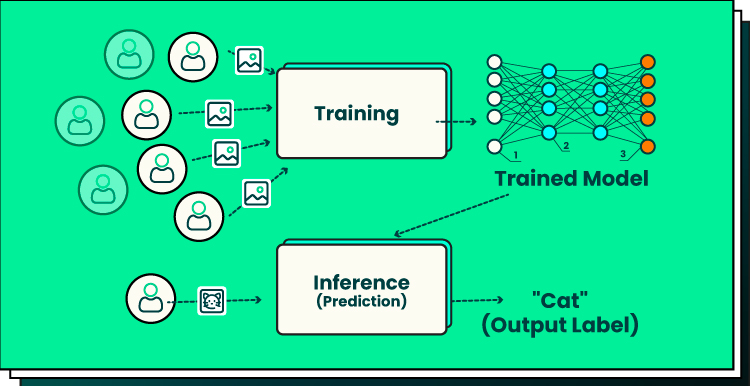
For years, the AI industry has operated under the belief in "scaling laws," as outlined by OpenAI researchers in their influential 2020 paper on "Scaling Laws for Neural Language Models." According to the authors, model performance is heavily reliant on scale, which consists of factors such as the number of model parameters, dataset size, and computational power used for training.
While the traditional notion has been that more data and compute would inevitably lead to smarter AI, Meta's chief AI scientist, Yann LeCun, challenges this idea. Speaking at the National University of Singapore, LeCun expressed that simply increasing data and compute does not necessarily equate to enhanced AI intelligence.
Rethinking the Approach to AI Development
LeCun emphasized that many complex problems do not scale well with the current approach. Training AI models on vast amounts of basic data, like internet information, may not result in true superintelligence. He argued that true intelligence in AI requires a different strategy.
According to LeCun, the key lies in developing AI systems that can quickly adapt to new tasks and comprehend the physical world. These systems should possess common sense, reasoning abilities, and a deeper understanding of the world beyond just text and language data.
The Limits of Scaling
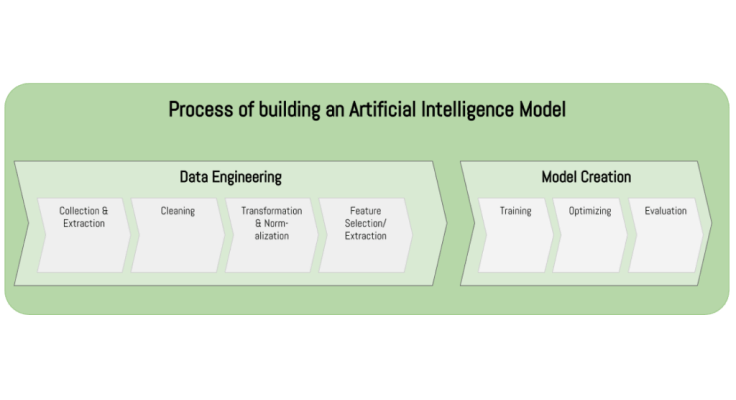
Despite the prevailing belief in scaling AI models, some industry leaders have started to question its effectiveness. Scale AI CEO Alexandr Wang highlighted scaling as a major industry concern, while Cohere CEO Aidan Gomez dismissed it as an ineffective means of improving AI models.
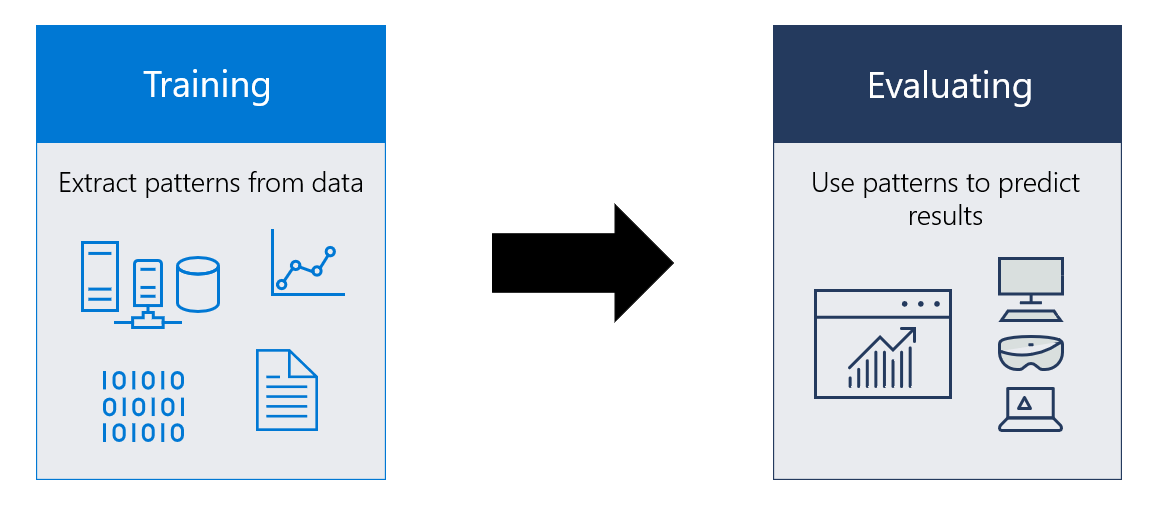
LeCun advocates for a shift towards a world-based training approach, focusing on creating AI systems with a broader understanding of the physical world and enhanced cognitive capabilities. He believes that true advancements in AI will come from models that can predict the outcomes of actions in the real world.
Conclusion
As the AI industry grapples with the limitations of scaling, it becomes clear that a new approach is necessary to truly advance the field. By moving away from the reliance on sheer scale and embracing a more holistic understanding of intelligence, the future of AI development holds promising possibilities.
For more information, you can visit the original article here.