Conservatives say FTC should look at Big Tech censorship to protect democracy
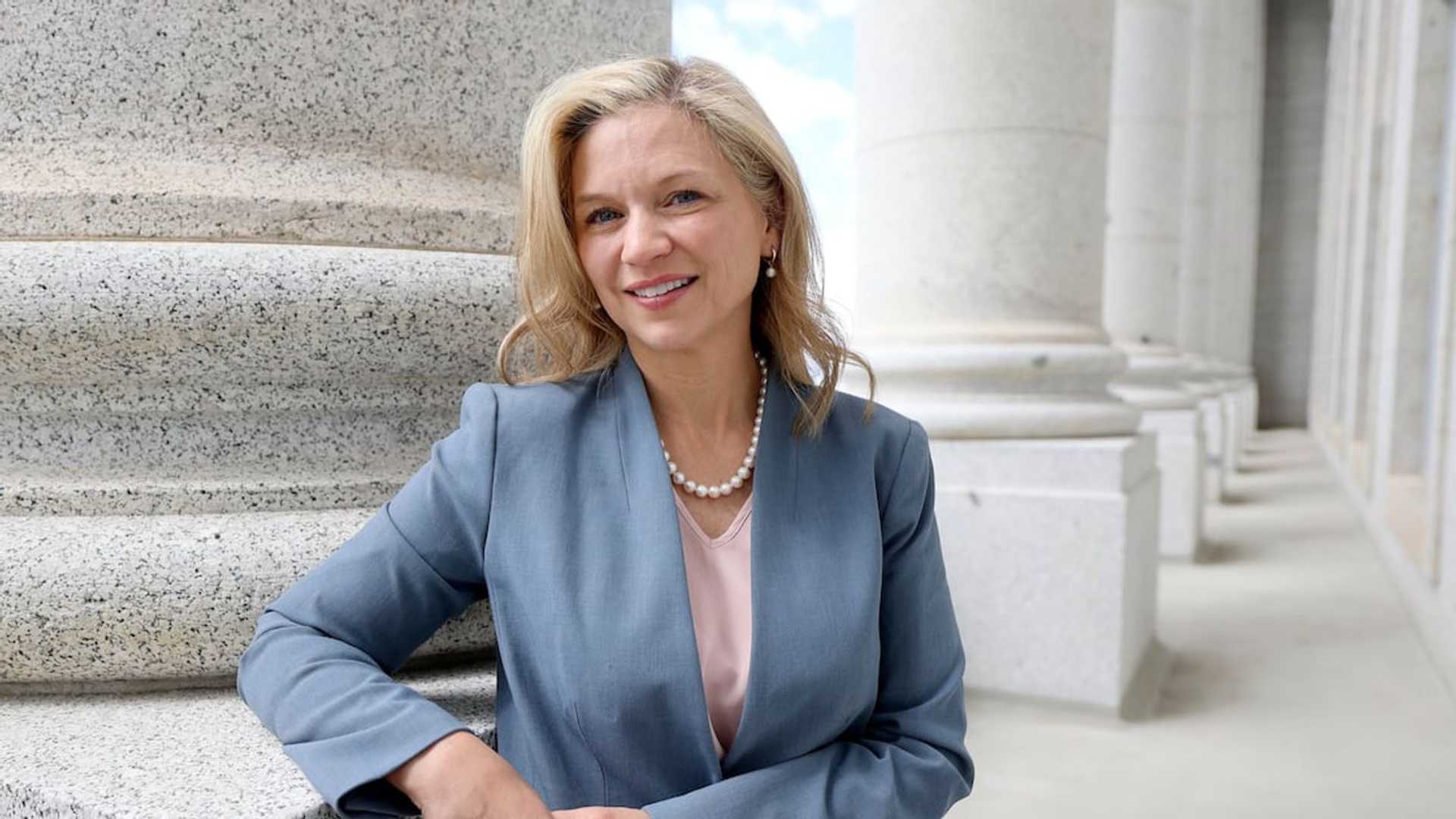
FTC Commissioner Melissa Holyoak, Utah’s former solicitor general, emphasized the significance of addressing unfair censorship by Big Tech platforms, stating that it is crucial for maintaining a robust democracy. In an interview with the Deseret News, Holyoak highlighted the Federal Trade Commission’s request for public comment on censorship by technology companies as a pivotal step towards planning enforcement actions and providing insights to Congress regarding the extent of the issue.
Public Response to FTC's Inquiry
Approximately 3,000 individuals or companies, including various free speech organizations, participated in the FTC’s public comment period. However, the debate on whether biased content moderation policies warrant federal intervention, such as the breakup of companies, has generated diverse opinions among advocates.

Alliance Defending Freedom's Allegations
The conservative legal advocacy group, Alliance Defending Freedom, raised concerns about Big Tech platforms employing vague policies to censor speech. The group alleges that companies like Meta, Google, and Apple utilize subjective criteria that penalize content conflicting with certain government policies.
Concerns Raised by Various Organizations
Organizations such as the International Center for Law and Economics and the Cato Institute opposed FTC intervention, arguing that content moderation does not signify a misuse of market power. Despite differing views, it is acknowledged that certain platforms disproportionately restrict conservative viewpoints.

Implications of Content Moderation on Democracy
Melissa Holyoak expressed concerns about tech platforms misleading users with their content moderation policies and the potential impact on competition. She emphasized the crucial role of social media in enabling individuals to share ideas, highlighting its significance for democracy.
Challenges with Big Tech and AI
Robby Starbuck, an anti-DEI activist, highlighted the implications of artificial intelligence on social media platforms, particularly in shaping U.S. elections. His lawsuit against Meta underscores the concerns of AI spreading false information and influencing critical aspects like elections.
Republican Allegations and Calls for Investigation
Republicans have long accused Big Tech of bias against conservatives, with recent actions like the lawsuit against Alphabet's Google. Calls for FTC investigation on potential conservative donor suppression by Google’s email platform further highlight the concerns over market dominance and censorship.
/dq/media/media_files/2025/03/03/2aXpQdmXB96cb7rhTKzp.png)
Debates on Antitrust and Content Moderation
Experts like Jennifer Huddleston from the Cato Institute caution against broadening antitrust policy to include censorship issues, fearing political interventions. They argue that competition in the market allows users to choose platforms based on their preferred content moderation standards.
Future Implications and Considerations
As debates continue on the role of Big Tech in censorship and democracy, the discussions around content moderation policies, AI influence, and antitrust measures will shape the future landscape of digital platforms and their impact on society.