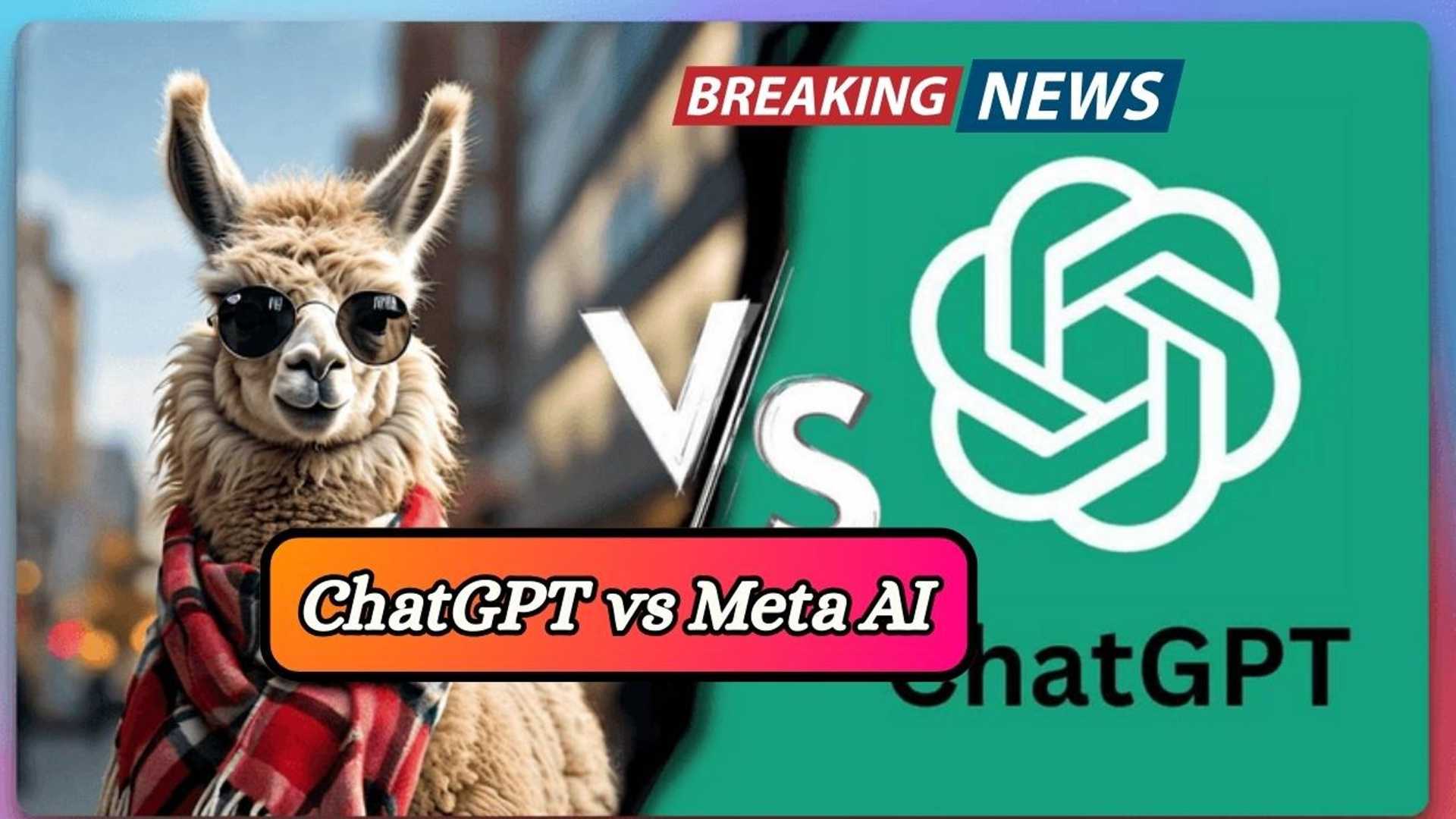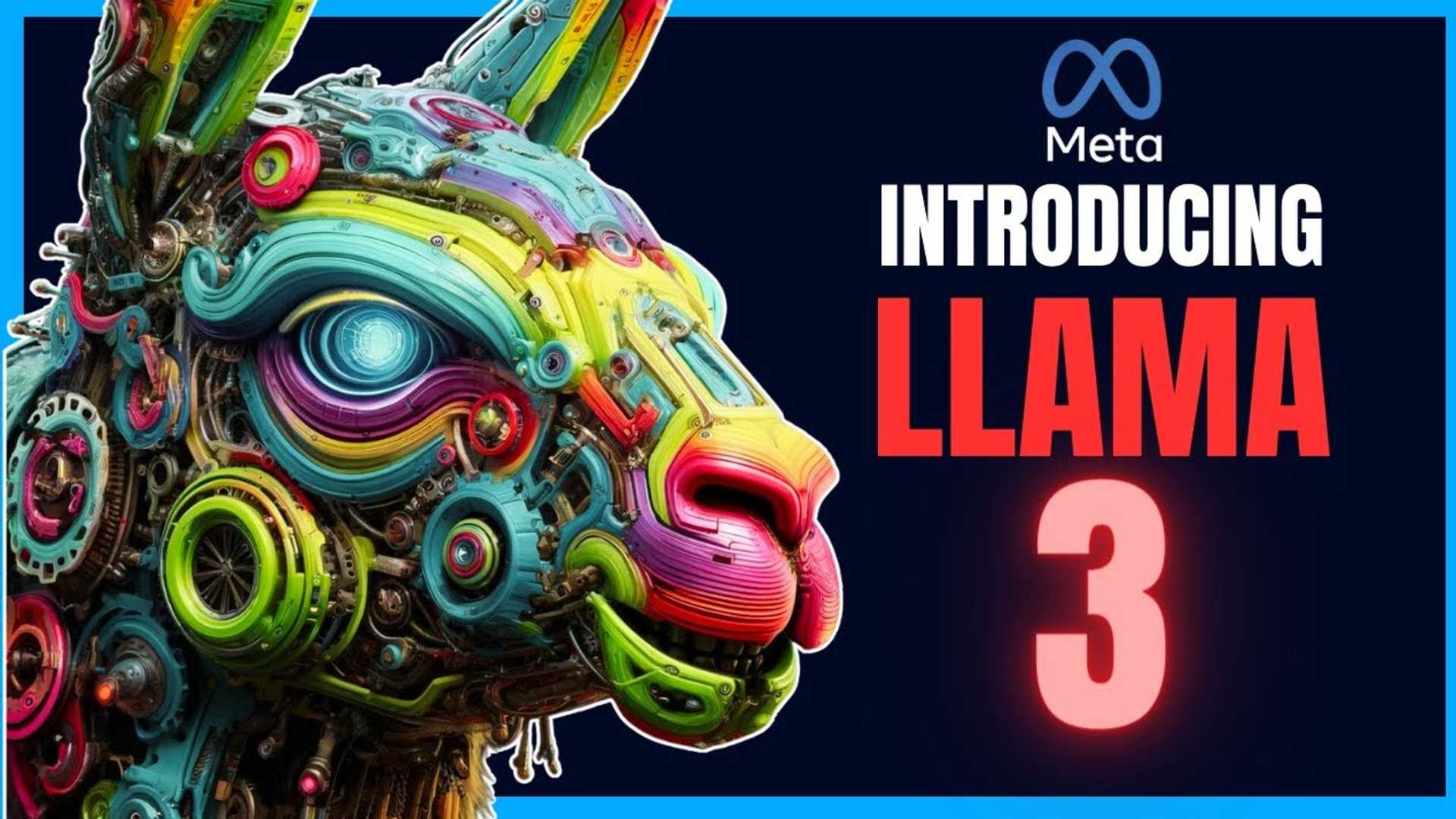
Llama 3: Meta's AI Assistant Gallops into Africa, Bringing Connection...
Meta, formerly known as Facebook, is a tech giant synonymous with social connection. Boasting over 3 billion monthly active users across its flagship platforms – Facebook, WhatsApp, and Instagram – Meta is constantly innovating to enhance user experiences and deepen engagement. One recent development is Llama 3, an AI assistant designed to revolutionize how users interact with these platforms.
Limited Launch, Global Ambitions:
Llama 3 debuted in the United States in early 2024, sparking curiosity with its ability to engage in conversations, offer suggestions, and personalize user experiences. While initial access was restricted, Meta recently announced a significant expansion – bringing Llama 3 to several African countries.
Africa in Focus: A Land of Opportunity
The chosen African nations for the initial rollout include Ghana, Malawi, Nigeria, South Africa, Uganda, Zambia, and Zimbabwe. This strategic move isn’t accidental. Africa boasts the world’s youngest population, with a median age of 19.7 according to the United Nations [1]. Furthermore, internet penetration in Africa is on the rise, with a projected user base of 850 million by 2025, as reported by Statista [2]. Seeing this potential, Meta is positioning itself to capture a significant share of this burgeoning market.
Building Bridges, One Conversation at a Time
Meta’s stated goals for the African expansion of Llama 3 are two-fold: enhancing social connections and enriching digital experiences. Llama 3 can engage in natural language conversations, potentially bridging the communication gap for users with limited English proficiency. Imagine a user in Nigeria seeking information on Instagram – Llama 3 could translate their search queries and present results in their native language. This fosters inclusivity and empowers users who might otherwise struggle to navigate the platform.
Beyond Language: A Personalized Assistant
Llama 3’s capabilities extend beyond translation. It can analyze user behavior and preferences to offer personalized suggestions within Meta’s platforms. For instance, a user in Malawi passionate about football (soccer) might receive curated content feeds featuring local teams and upcoming matches. This level of personalization fosters deeper user engagement and potentially increases time spent on Meta platforms.
A continent brimming with potential, but challenges remain
While the potential benefits of Llama 3 in Africa are undeniable, challenges remain. Data privacy is a major concern. Meta has faced scrutiny for its data collection practices in the past, and users in Africa might be particularly wary of entrusting their personal information to an AI assistant. Meta will need to address these concerns head-on by ensuring robust data security protocols and transparent user data management practices.
Beyond Privacy: Cultural Nuances and Algorithmic Bias
Cultural appropriateness is another hurdle. Llama 3 is trained on massive datasets, and potential biases within that data could lead to insensitive or culturally inappropriate responses. Meta must ensure its AI assistant is culturally aware and respectful of the diverse traditions and customs across Africa.
The Power of Llama 3: Under the Hood
Technically, Llama 3 is a large language model (LLM) – a complex AI system trained on vast amounts of text data. This allows it to understand and respond to human language with remarkable nuance. Meta hasn’t publicly disclosed the specific details of Llama 3’s architecture, but it likely builds upon the advancements made with its predecessors, Llama 1 and Llama 2. These earlier models demonstrated capabilities in text summarization, machine translation, and question answering, paving the way for the more interactive capabilities of Llama 3.
A Glimpse into the Future: Experts Weigh In
Dr. Aïsha Diallo, a Senegalese AI researcher at MIT, expresses cautious optimism about Llama 3. “AI assistants have the potential to bridge the digital divide in Africa,” she says, “but it’s crucial to ensure responsible development and deployment. Transparency and inclusivity are key.”
The Road Ahead: A Sustainable Future for AI in Africa
The success of Llama 3 in Africa hinges on Meta’s ability to address these concerns. Building trust with users, ensuring responsible data practices, and tailoring the AI to local contexts will be paramount. If Meta navigates these challenges effectively, Llama 3 could become a powerful tool for social connection, information access, and digital empowerment in Africa.

The Stakes are High: A Catalyst for Innovation
Meta’s expansion into Africa with Llama 3 represents a significant moment for both the company and the continent. The success of this venture could pave the way for further AI innovation in Africa, potentially leading to African-developed AI solutions that cater specifically to the needs of the region. This could foster a more equitable and inclusive future for AI development globally.
The Final Gallop: A Call for Collaboration
Meta cannot achieve its ambitious goals in Africa alone. Collaboration with local stakeholders – governments, educators, developers – is essential. Here’s how such partnerships can benefit all parties involved:
A Shared Vision: Empowering Africa’s Digital Future
Imagine a future where AI assistants like Llama 3 become instrumental in areas like education and healthcare. By collaborating with African institutions, Meta can develop localized applications that address critical challenges in these sectors.