
What Happens When We Hit The 'Data Wall'?
With the Olympics in full swing, companies are exploring ways to connect their business to athletics. Google's latest commercial featuring AI chatbot Gemini has sparked controversy by suggesting replacing human-written letters with AI-generated ones. Some online commentators have expressed concerns about the commercial, noting that it takes away the personal touch from such interactions.
OpenAI's SearchGPT Prototype
OpenAI recently announced the testing of a new search engine prototype called SearchGPT. This tool, built on GPT-4 models, aims to provide real-time information from various sources on the web. By partnering with publishers like News Corp and The Atlantic, OpenAI plans to offer credible and well-cited responses through SearchGPT. This development could potentially challenge Google's AI-generated search summaries and other AI search startups in the market.
The Evolution of AI and Data Challenges
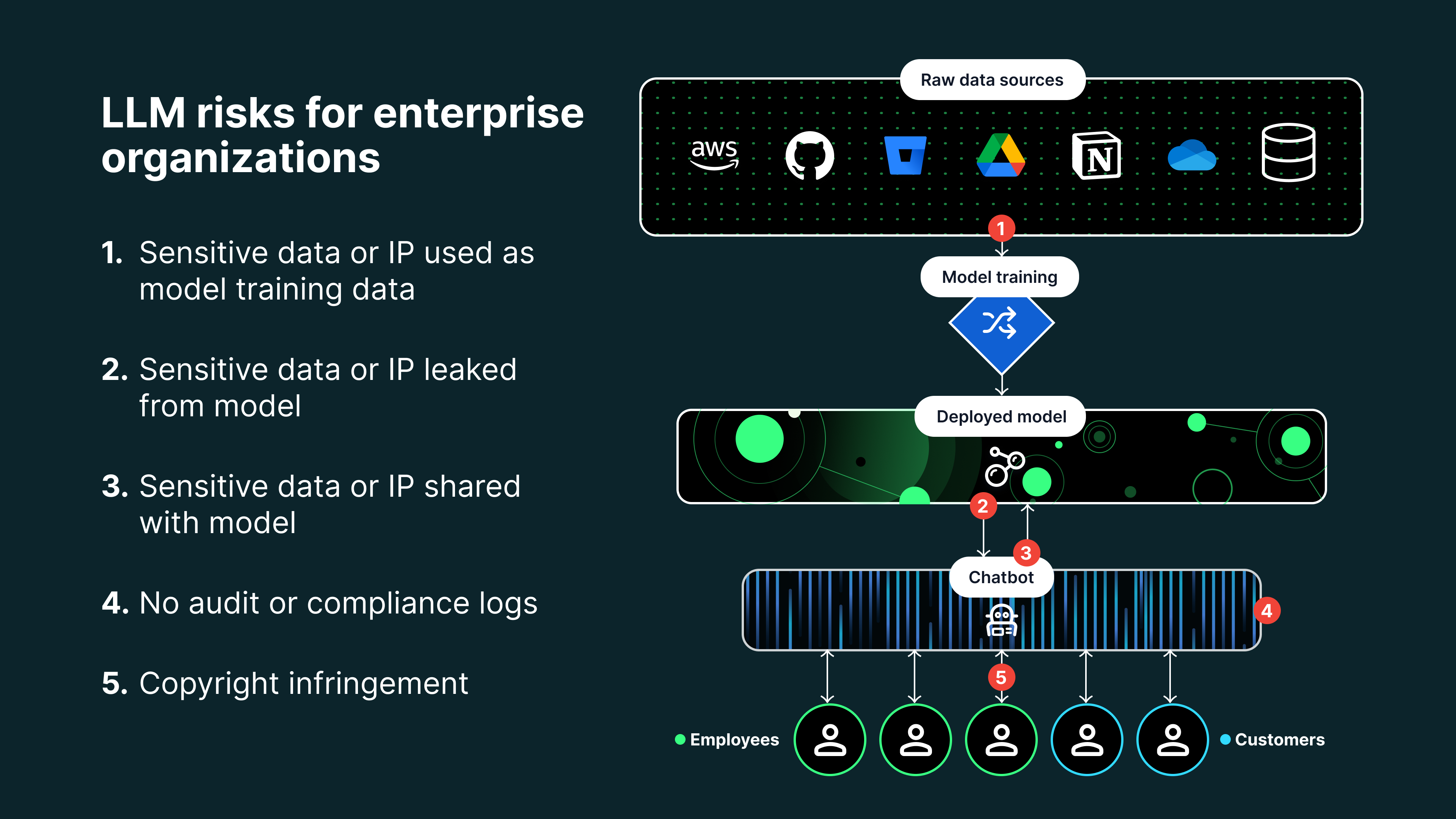
In recent years, artificial intelligence, powered by large language models, has become heavily reliant on data for training and development. However, the availability of new data sources is diminishing as companies have extensively mined existing data pools. This phenomenon, known as "hitting the data wall," poses a significant challenge to the future of AI development. Researchers predict that this data scarcity could become a critical issue as early as 2026.
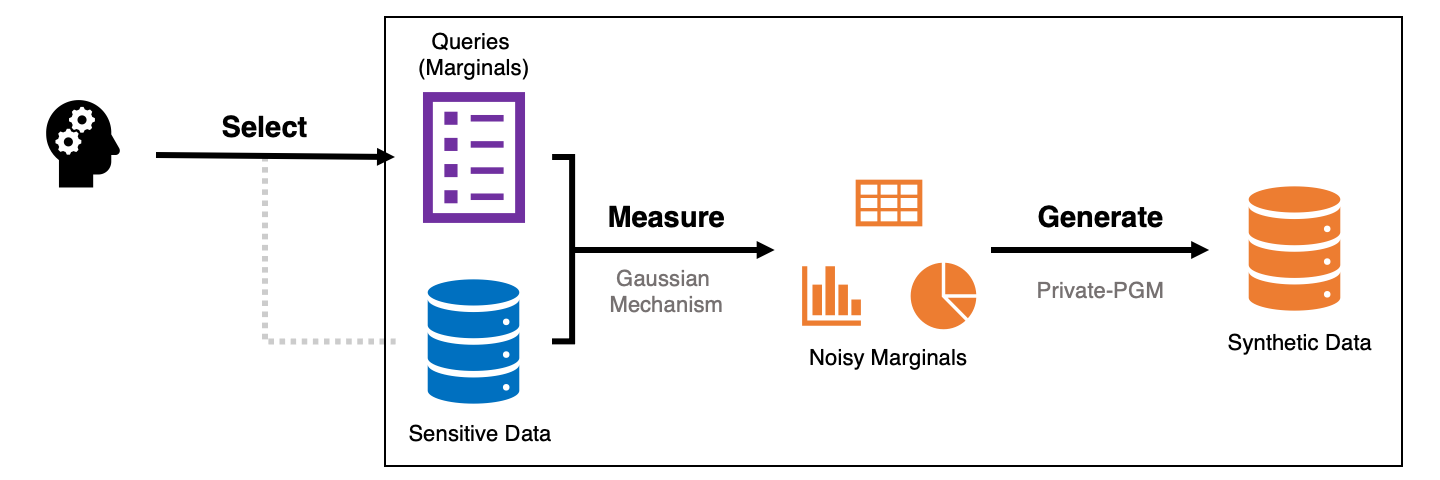
As the industry grapples with the imminent data shortage, startups are exploring innovative solutions to address the data dilemma. Some companies are considering generating artificial data, also known as synthetic data, to supplement existing datasets. While synthetic data can replicate factual information, it has its limitations, including the potential to amplify biases present in the original data. To mitigate these risks, startups like Gretel require a combination of real and synthetic data to train AI models effectively.
As the AI landscape evolves and confronts the challenges of data scarcity, industry players must adapt and innovate to sustain AI development in the future.