
AI Enhancing Retail with Chatbots and Personalization - Blockchain Perspective
Artificial Intelligence (AI) is revolutionizing how retailers engage with customers, particularly through the integration of chatbots and personalized experiences. As consumer preferences evolve, more retail establishments are turning to AI to meet the escalating demand for swift, seamless, and tailored interactions.
AI chatbots have transcended their basic functionalities from yesteryears. Today, these sophisticated systems can handle intricate conversations, providing real-time assistance and recommendations. Unlike their predecessors, these AI systems can engage with customers via text and voice, mimicking a more natural interaction. By learning from past interactions, these tools continuously enhance their responses, becoming more intelligent with each interaction.
For instance, AI chatbots enable businesses to address customer queries round the clock without requiring human agents at all times. This proves especially beneficial during peak shopping periods when customer inquiries surge. AI chatbots can cater to multiple customers simultaneously, streamlining the process and reducing wait times. Renowned brands like Burberry and Levi Strauss have reaped the benefits of AI chatbots, with Burberry witnessing a 60% surge in sales attributed to personalized interactions facilitated by chatbots on their platform.

Enhanced Sales through Personalization
Beyond addressing queries, AI chatbots can boost sales by providing recommendations based on customer behavior. By analyzing past purchases, these chatbots suggest similar or complementary products that align with the customer's preferences. This not only increases the average order value but also amplifies potential revenues for retailers.
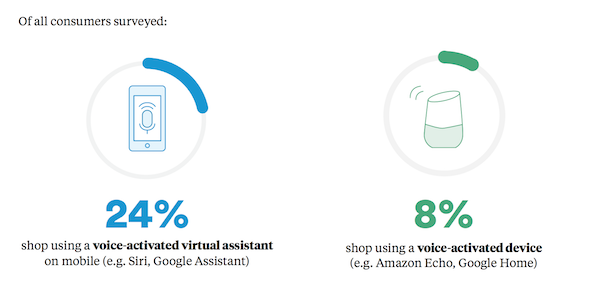
AI also empowers voice assistants like Amazon’s Alexa to streamline customer interactions. These voice-enabled assistants offer product suggestions, address queries, and process voice-initiated orders. The convenience of voice assistance proves invaluable for busy shoppers seeking swift solutions.
Empowering Personalization in Retail
Contemporary retail landscapes demand personalization, and AI emerges as a pivotal player in enabling this shift. Retailers acknowledge that customers are more inclined to engage with brands that comprehend their preferences. AI elevates personalization by leveraging extensive customer data, including browsing history, past purchases, and even social media engagement. By scrutinizing this data, AI tools recommend products tailored to individual customer preferences.
Developing AI-driven solutions for the retail sector necessitates preparedness. Becoming a Certified Artificial Intelligence (AI) Developer™ equips you to navigate complex inventory systems effectively.
Enhanced Customer Satisfaction
The integration of AI-powered chatbots and personalized services has significantly elevated customer satisfaction within the retail realm. One of the primary advantages is speed. AI chatbots offer near-instantaneous responses to customers, mitigating the delays often encountered in human-run service centers. This swift responsiveness not only enhances satisfaction but also fosters customer retention by ensuring a seamless shopping experience.
Moreover, AI addresses a common challenge in online shopping – product discovery. For indecisive shoppers, AI-powered tools can suggest items based on general preferences or past interactions. This alleviates the frustrations of endless searches and facilitates quicker purchase decisions. Industry giants like Amazon and Shopify lead the way in leveraging AI to simplify the shopping experience for millions of consumers.
Challenges and Considerations
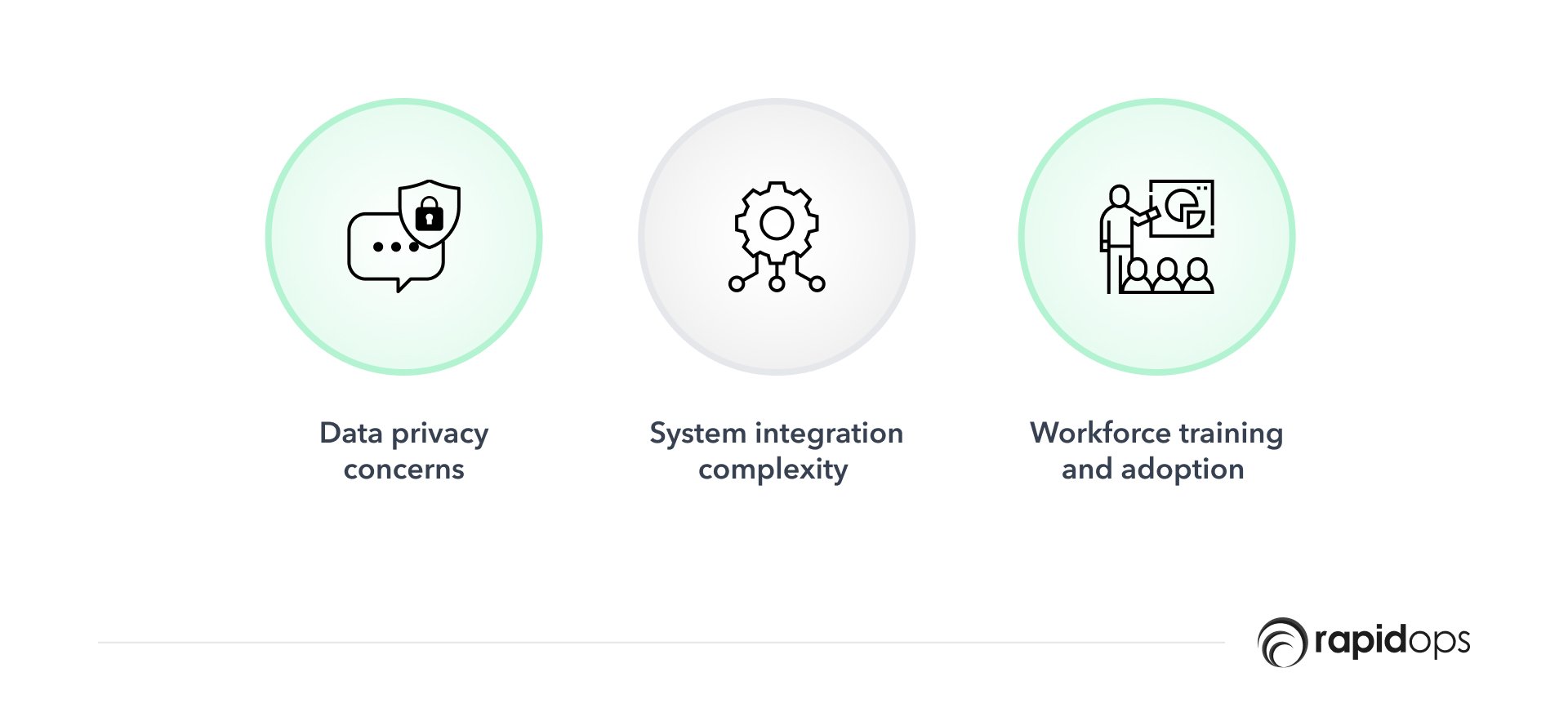
Despite the benefits, integrating AI in retail poses challenges. The initial costs of developing and incorporating AI solutions can be substantial, posing hurdles for smaller enterprises. AI's efficacy relies heavily on data, and accumulating this data can be a gradual and costly process. Additionally, retailers must address customer apprehensions regarding data privacy, as establishing trust is critical for the success of AI-driven personalization.
Furthermore, AI systems mandate consistent updates and refinements to align with evolving customer preferences and market dynamics. Retailers failing to update their AI tools regularly risk offering outdated recommendations, potentially frustrating customers rather than aiding them.
In conclusion, AI is reshaping how retailers engage with their clientele, enhancing customer service and delivering personalized experiences. Through AI-backed chatbots and tailored services, retailers can offer prompt, efficient services that cater to customer demands. These enhancements not only boost satisfaction but also drive business expansion by fostering engagement and loyalty.
As AI continues to evolve, businesses must navigate challenges like data privacy concerns and the implementation costs of AI systems. Adapting to the evolving AI landscape will be crucial for retailers to maintain competitiveness in the digital sphere.