Ex-Google CEO Eric Schmidt Warns If West Doesn't Get Its Act Together on AI
Former Google CEO Eric Schmidt has issued a stark warning about the future of artificial intelligence (AI) development in Western nations. Schmidt emphasized the critical importance of prioritizing open-source AI initiatives to avoid falling behind China in the AI race.

What Happened:
Speaking at the AI Action Summit in Paris, Schmidt highlighted that many of the leading U.S. large language models (LLMs), such as Alphabet Inc.'s GOOG GOOGL Google Gemini, OpenAI's GPT-4, and Anthropic's Claude, are currently closed-source. Schmidt expressed concerns that if this trend continues, China could emerge as the global leader in open-source AI technologies.
Schmidt emphasized the need for Western countries to take action to prevent China from dominating the open-source AI landscape. He warned that without intervention, Western universities and researchers might struggle to access and afford proprietary AI models, potentially hindering scientific progress.
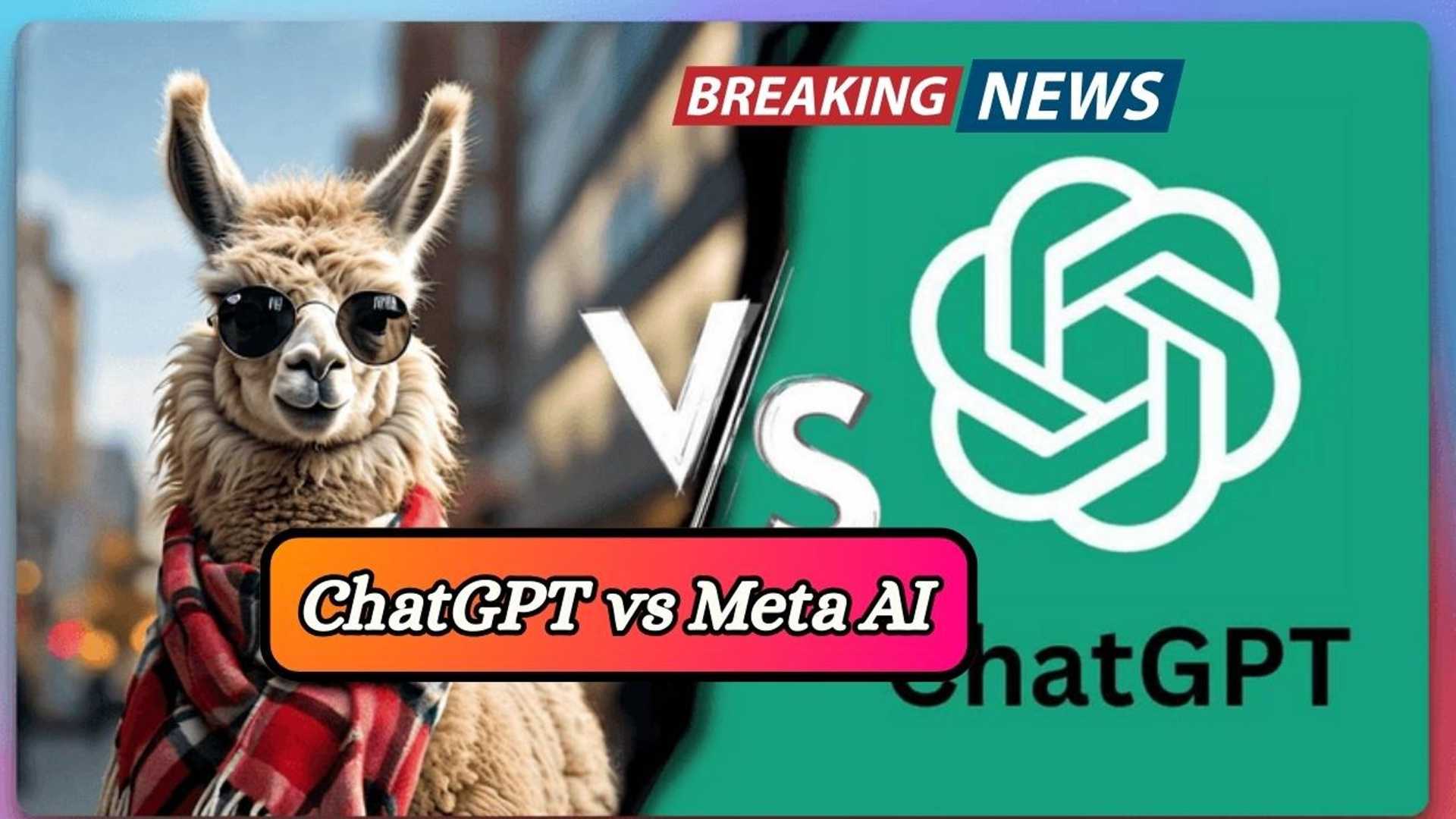
While acknowledging exceptions like Meta Platforms, Inc.'s META Llama, Schmidt argued that broader collaborative efforts are essential to ensure continued technological leadership.
Why It Matters:
Schmidt's cautionary message comes in the context of recent advancements in the AI sector, including the introduction of R1 by Chinese start-up DeepSeek, a powerful open large language model. This development has drawn attention to the importance of open-source initiatives in driving innovation in AI.
Last month, the launch of DeepSeek's R1 model caused significant market volatility, impacting AI stocks such as Nvidia Corporation, which experienced a 17% drop at one point. The evolving landscape of AI technologies underscores the urgency for Western nations to address the open-source versus closed-source debate.
Notably, at the recent AI Action Summit in Paris, the U.S. and the U.K. chose not to sign a global AI safety declaration, indicating a divergence in approach compared to other countries like China, India, and Germany. This decision reflects the complex and competitive nature of the global AI landscape.

Schmidt's perspective on the future of AI development echoes recent statements by OpenAI CEO Sam Altman, who hinted at a potential shift towards a different open-source strategy. Schmidt emphasized the importance of striking a balance between open and closed-source models to drive innovation and maintain global competitiveness in AI.
For more insights on consumer technology and market trends, explore Benzinga's Consumer Tech coverage.
Photo Courtesy: Image via Shutterstock
Read Next:
This content was partially produced with the help of Benzinga Neuro and was reviewed and published by Benzinga editors.