Yale Suspends Palestine Activist After AI Article Linked Her to Terrorism
The dystopian future has arrived where individuals are being targeted based on AI-generated articles. Yale University made headlines after suspending a scholar from its law school due to an article from a Jewish news website. The article labeled her as a member of a terrorist group, sparking controversy and raising concerns.
Government Crackdown
This incident occurs amidst the Trump administration's crackdown on any speech supporting the Palestinian cause. Immigration and Customs Enforcement has already taken action by arresting a student activist at Columbia University for their involvement in Palestinian protests. Additionally, reports suggest that the State Department will leverage AI to monitor social media and potentially deport international students expressing pro-Palestinian views.

Suspension and Backlash
Helyeh Doutaghi, the Yale Law School scholar in question, has been vocal about her support for Palestinian rights. Despite maintaining that she is not involved in any unlawful organizations, an article from Jewish Onliner, powered by AI, led to her suspension. The website cited her association with events sponsored by Samidoun, a pro-Palestinian group, which has faced allegations from the Treasury Department of funding terrorist activities.
The Role of AI
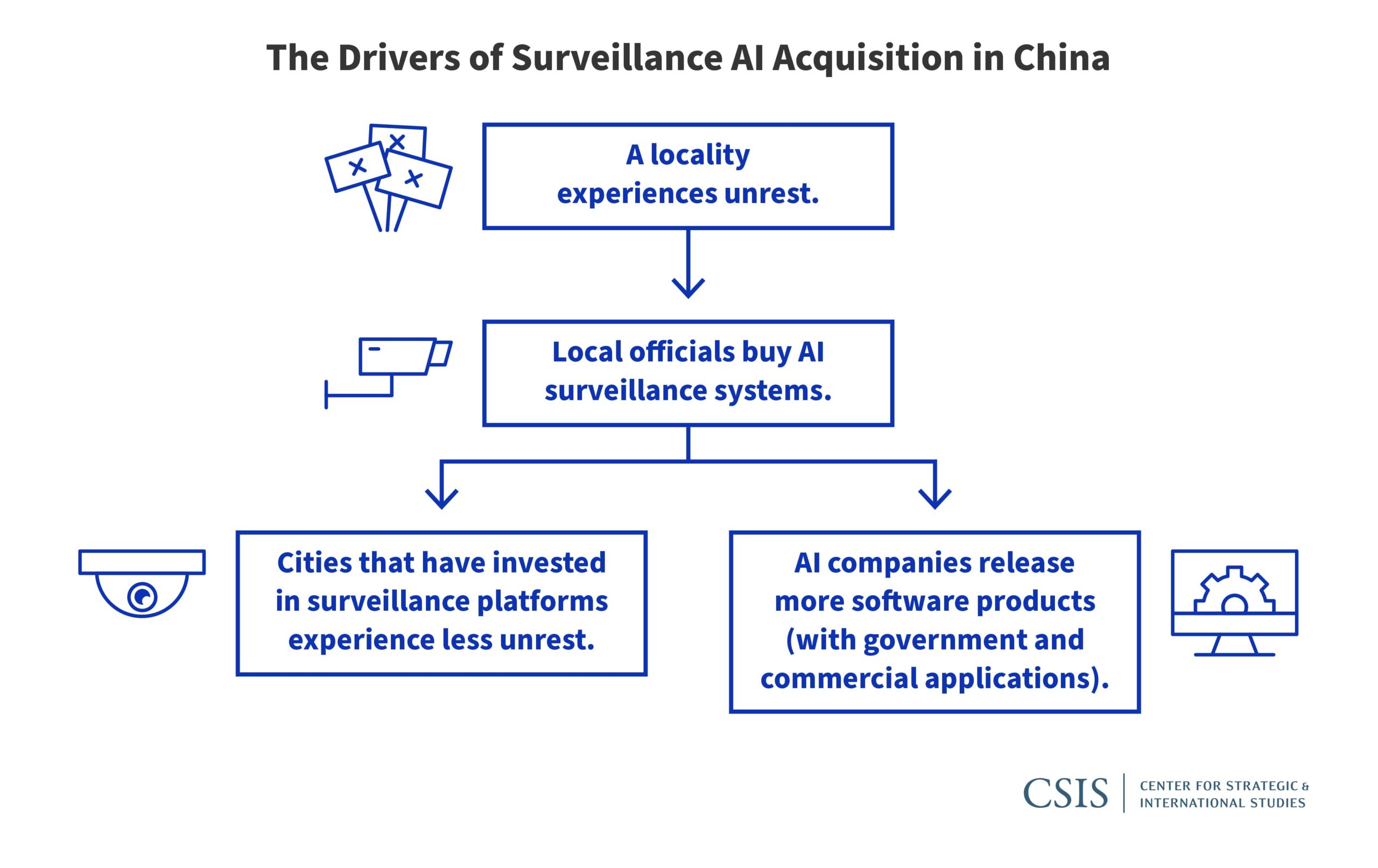
Jewish Onliner's use of AI to generate content has raised concerns about accuracy and accountability. The technology, known for errors and misinformation, might have played a pivotal role in linking Doutaghi to terrorism. This reliance on AI for information dissemination highlights the importance of fact-checking and responsible journalism.
Surveillance and Free Speech
The growing trend of using AI for surveillance and silencing dissent has alarmed privacy advocates. The case of Doutaghi underscores the risks individuals face in expressing their views online. Yale Law School's response, citing potential unlawful conduct, reflects the broader implications of using AI to monitor online speech.
As governments employ AI for censorship, the implications for free speech are significant. The use of AI in this context has shifted from theoretical concerns to real-world consequences, highlighting the need for vigilance in safeguarding individual liberties.
As technology advances, the intersection of AI and free speech remains a contentious issue with far-reaching implications for society.