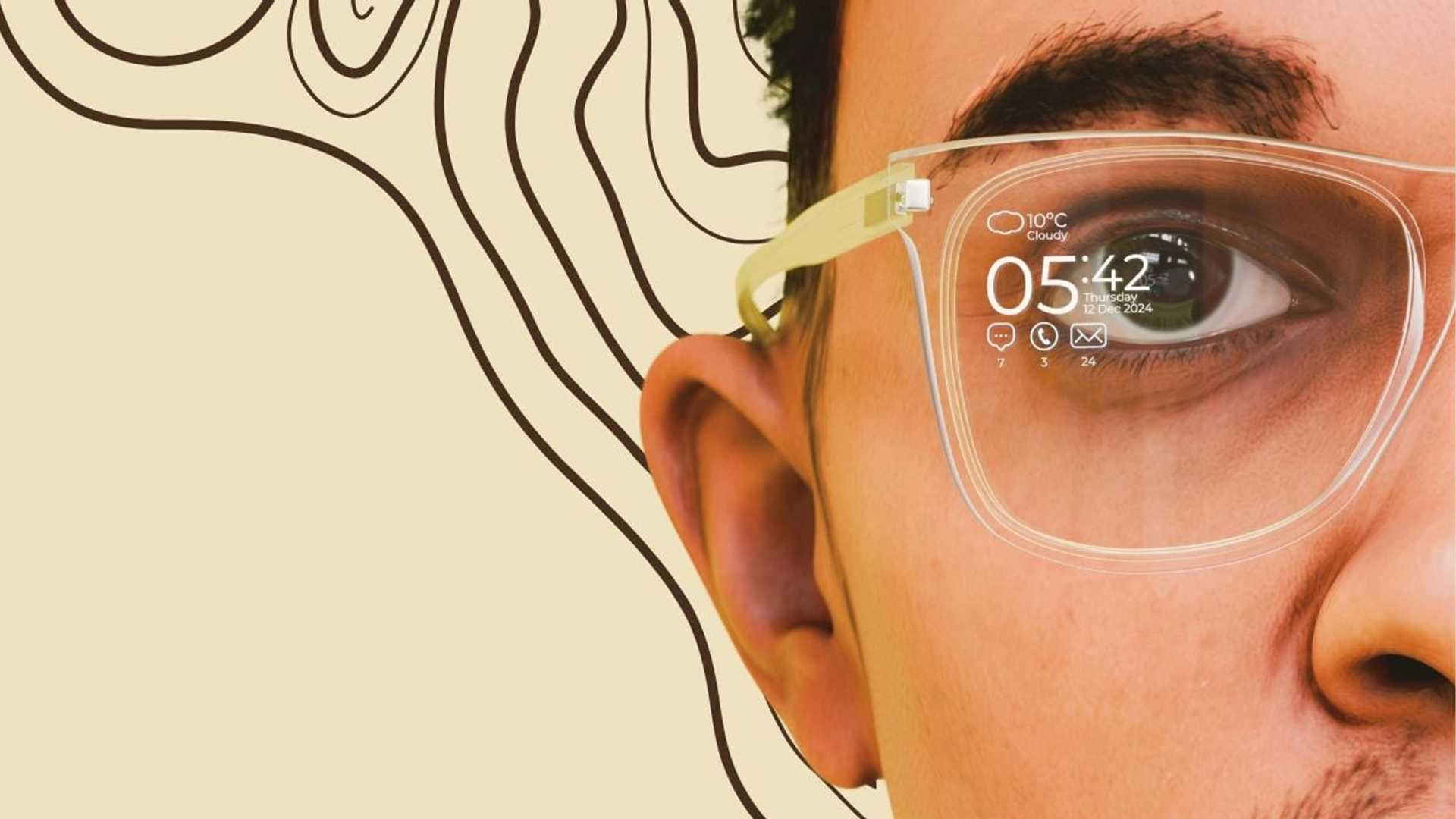
The Future Of Work Is In Your Eyewear — But These New ChatGPT Smart Glasses Come With Risks
Beyond privacy risks, new technologies like smart glasses could potentially be misused for surveillance or harassment in the workplace. Imagine your eyeglasses discreetly whispering information to you during a crucial work presentation. Well, that wish has been granted with the latest innovation showcased at this year's CES tradeshow in Las Vegas.
Introducing Solos smart glasses - equipped with OpenAI's ChatGPT directly integrated into the frame. These glasses are poised to revolutionize augmented reality and wearable technology.

The Game-Changing Features of Solos Smart Glasses
Featuring voice-driven assistance, these smart glasses allow wearers to interact with AI for instant answers, reminders, and even have messages and notifications read aloud through built-in speakers. Some models even come with cameras and recording capabilities, along with inbuilt audio for music, podcasts, and calls, making them a versatile tool for multitasking.
The Future of Work with AI-Enabled Eyewear
As professionals increasingly rely on tech tools for remote and hybrid work setups, the convenience offered by smart glasses like Solos is undeniable. The ability to seamlessly access information, interact with AI assistants, and stay connected while focusing on tasks can enhance productivity significantly.

Eliminating the need to switch between devices, these smart glasses could streamline work processes for individuals in multitasking roles or those frequently on the move. From retrieving information during video conferences to receiving hands-free updates while in transit, Solos smart glasses offer a new level of efficiency and connectivity.
Addressing Privacy Concerns and Workplace Challenges
Despite their innovative features, AI-enabled smart glasses raise valid privacy concerns. With AI assistants, cameras, and continuous monitoring capabilities, there's a heightened risk of data breaches, unauthorized surveillance, and misuse of personal information.
Striking a Balance for a Tech-Driven Future
While AI-enabled smart glasses offer remarkable advancements in work efficiency and communication, it is crucial to navigate their gendered impact and privacy implications thoughtfully. Companies must prioritize user awareness, consent, and control over data collection to prevent potential misuse and infringements on personal privacy.
Statistics show that workplace sexual harassment is a prevalent issue, and the introduction of smart glasses may exacerbate such behaviors. The subtle nature of these wearables, combined with blurred boundaries between work and personal life, could disproportionately affect women, leading to increased pressure, surveillance, and burnout.

As we embrace a future where wearable technologies redefine how we engage with the world, establishing clear privacy controls and ethical standards becomes imperative. Balancing the benefits of AI-enhanced smart glasses with potential risks ensures a harmonious integration of technology into our daily lives.