Today: Microsoft wants to make Windows an AI operating system ...
Recently, Microsoft made a groundbreaking announcement at the annual Phil developer conference regarding their plans to infuse Windows with artificial intelligence. This move aims to revolutionize the way we interact with PC operating systems and enhance user experience through the integration of generative AI. 
The Introduction of CoPilot Plus PCs
One of the key highlights of the announcement is the introduction of CoPilot Plus PCs, which will feature generative AI-powered capabilities such as the Recall feature. This innovative feature will assist users in locating apps, files, and other content that they have accessed in the past, thereby streamlining productivity and workflow.
Microsoft is committed to deeply integrating its brand of generative AI, known as CoPilot, into the Windows 11 experience. Additionally, the company plans to launch new Microsoft service devices that will further enhance the functionality of AI-powered features. 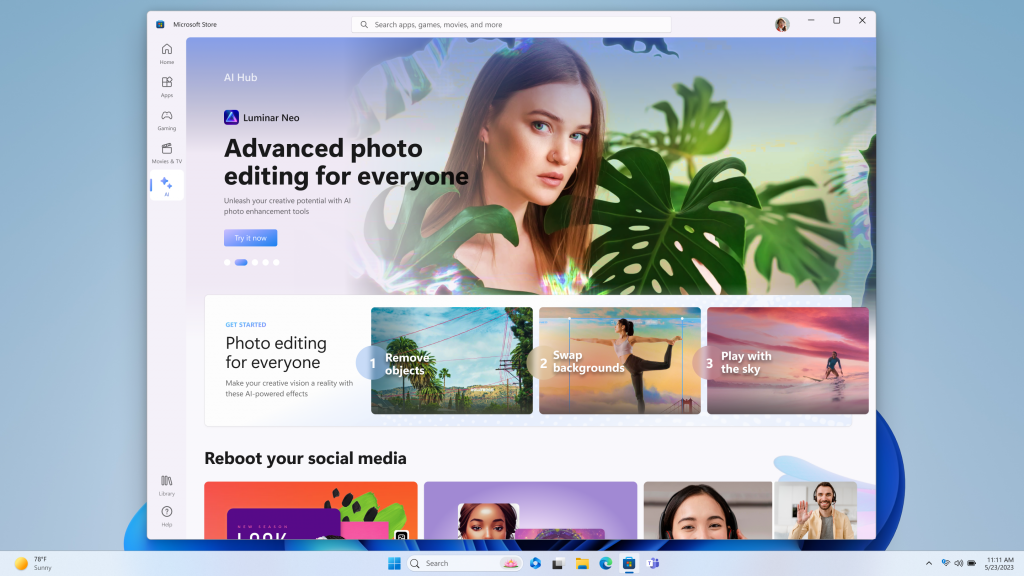
Partnerships and Collaborations
Microsoft's strategic partnerships with industry leaders like Qualcomm, Intel, AMD, and manufacturers such as Acer, Asus, Dell, HP, and Lenovo are pivotal in realizing their vision of AI-driven flagship Windows hardware. These collaborations will result in CoPilot Plus PCs equipped with dedicated chips called NPUs, ensuring optimal performance and efficiency.
Furthermore, Microsoft's foray into spatial computing with the introduction of volumetric apps for Quest headsets, in partnership with Meta, underscores their commitment to expanding the boundaries of AI technology. Developers will have the opportunity to create immersive VR experiences and extend their apps into 3D space, unlocking new possibilities in user interaction. 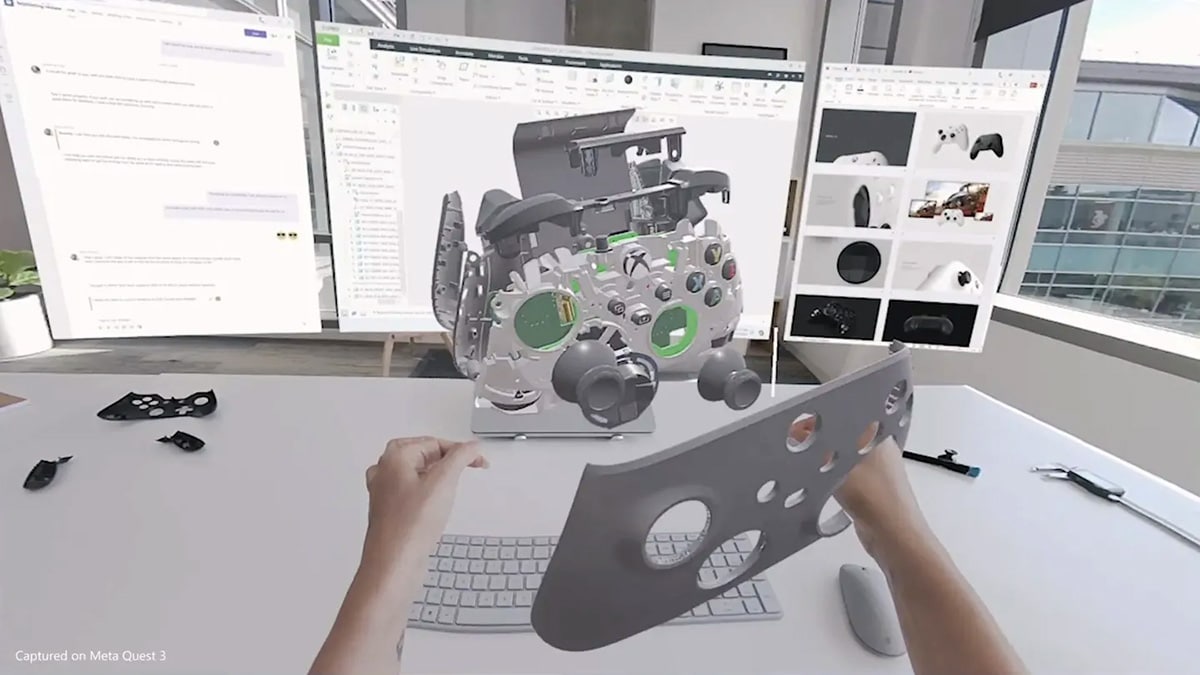
The Impact of AI on Operating Systems
With the introduction of features like Recall, Microsoft is paving the way for a new era of AI-enabled computing. This shift towards incorporating AI capabilities directly into the operating system signals a fundamental change in how users engage with technology.
Recall, in particular, has garnered significant attention for its ability to remember past user interactions and facilitate seamless retrieval of information. While the privacy implications of such technology are a point of concern, the potential benefits for enhancing productivity and efficiency cannot be overlooked.
The Future of AI in Healthcare
As AI continues to permeate every aspect of technology, including healthcare, organizations must proactively address the challenges and opportunities it presents. From a healthcare perspective, the integration of AI into PC operating systems raises questions about data security, compliance, and the implications for patient privacy. 
Despite these considerations, the potential for AI to revolutionize healthcare delivery and improve patient outcomes is immense. By embracing the possibilities that AI technology offers, organizations can stay ahead of the curve and harness its transformative power to drive innovation.
In conclusion, Microsoft's bold step towards making Windows an AI operating system underscores the company's commitment to innovation and sets the stage for a new era of intelligent computing. As the industry evolves and embraces AI technology, the possibilities for advancement and growth are limitless.
For more information, you can read the full article on TechCrunch.