The rise of AI therapy: How people are turning to ChatGPT for emotional support
With the increasing accessibility of artificial intelligence, individuals are now looking towards ChatGPT for emotional assistance and guidance, sometimes as an alternative to traditional therapy. According to a Business Insider report, many people utilize AI for life coaching, navigating personal dilemmas, or simply as a non-judgmental space to process their thoughts.

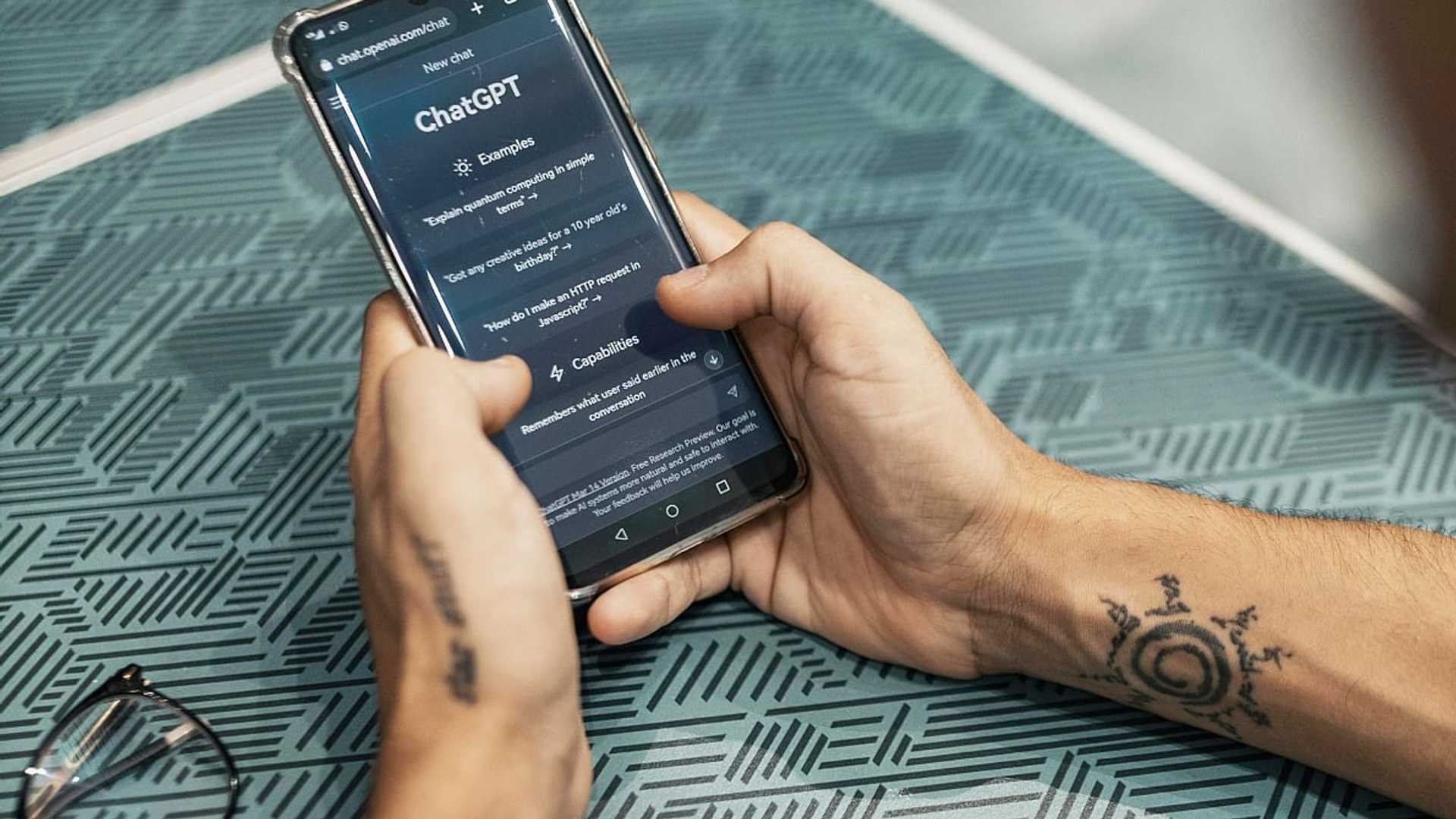
From Reddit discussions to TikTok trends, users are sharing advice on how to utilize ChatGPT for emotional well-being. Some users engage in "voice journaling" on the platform, while others customize its settings to simulate a therapist. The appeal lies in the fact that ChatGPT is free, accessible 24/7, and offers personalized, detailed guidance instantly.
A pocket-sized Therapist?
Rachel Goldberg, a licensed clinical social worker interviewed by Business Insider, mentioned that the use of AI for therapeutic reasons did not surprise her. She recounted a client who found solace in confiding in ChatGPT alongside her traditional therapy sessions. The client described ChatGPT as “a little compass helping me go throughout my day,” providing quick feedback when needed without burdening friends or the therapist. It even helped her recognize emotional patterns she might have overlooked on her own.
For many, the convenience of ChatGPT is its most attractive feature. Unlike conventional therapy that necessitates appointments and financial commitment, AI therapy is always accessible at no cost, offering immediate validation, insights, and support without delays.
There should be caution
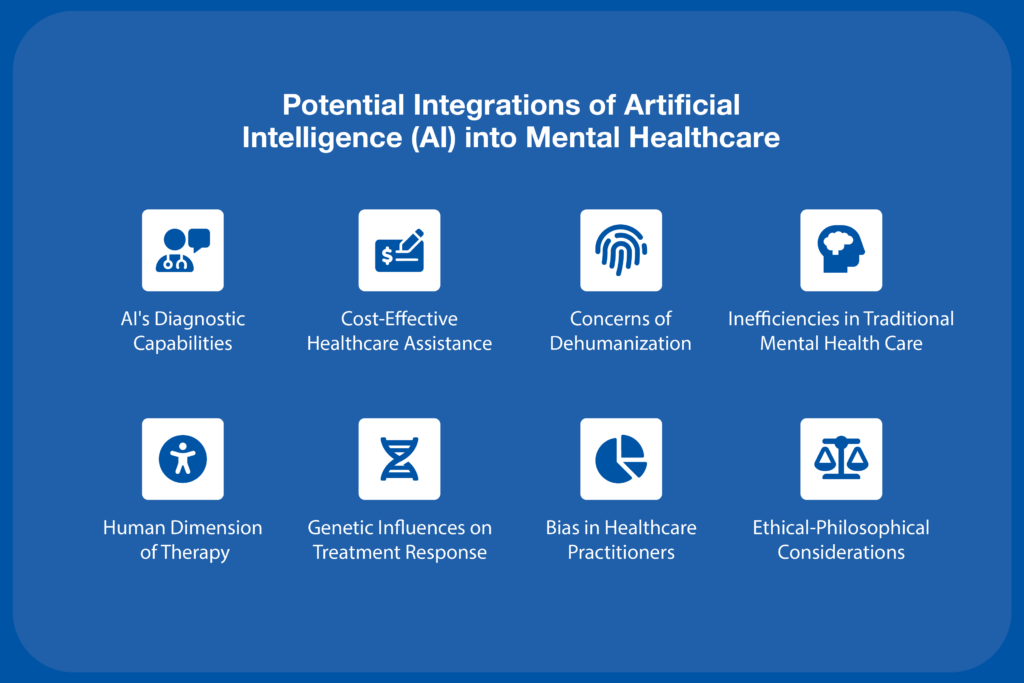
Despite the advantages, mental health professionals caution against excessive reliance on AI for emotional support. Therapists express concerns that the unlimited accessibility of ChatGPT could reinforce unhealthy behaviors like seeking excessive reassurance.
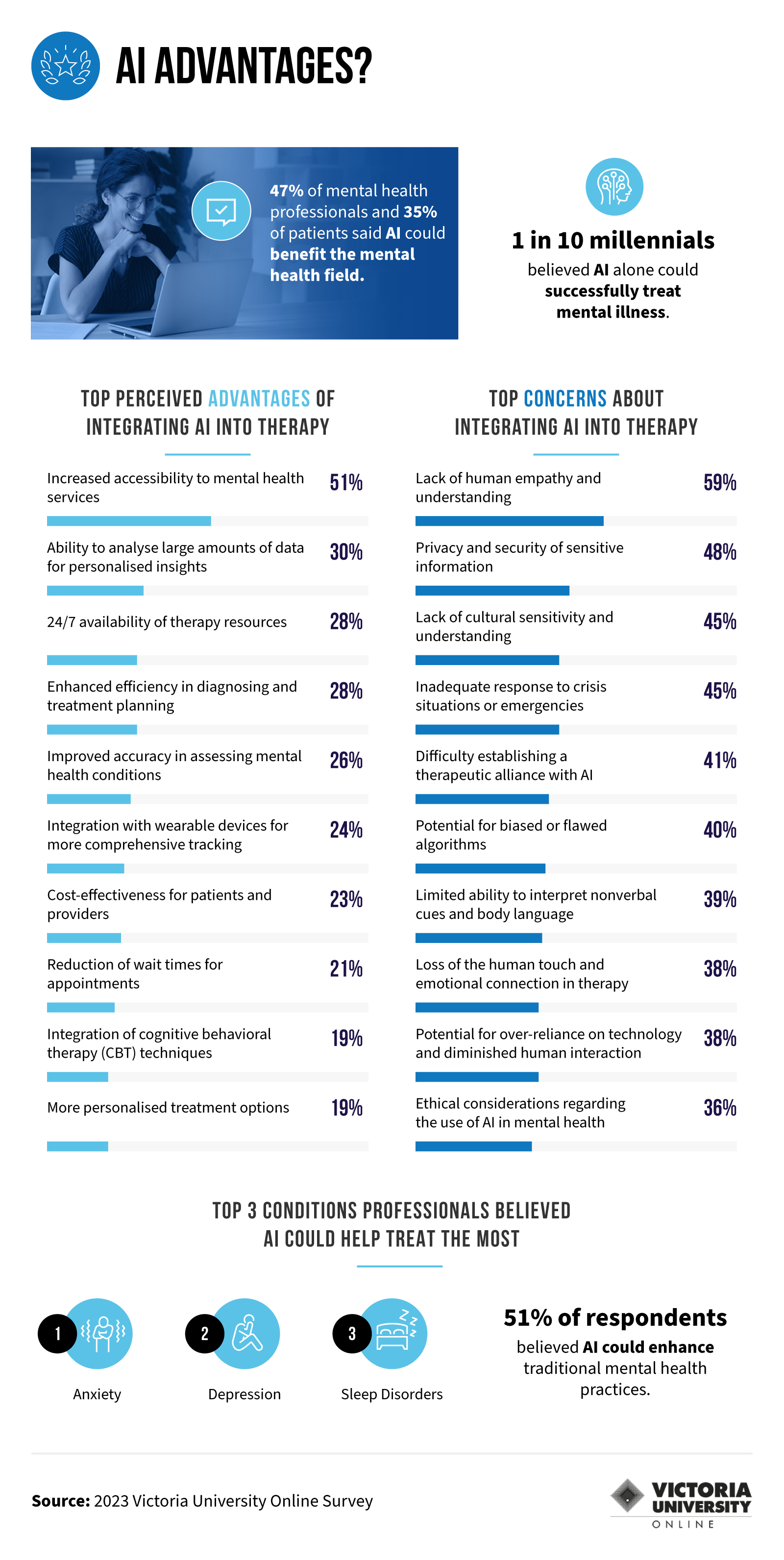
For individuals with conditions such as obsessive-compulsive disorder (OCD), ChatGPT could inadvertently exacerbate symptoms by consistently providing validation instead of promoting emotional resilience. Unlike a trained therapist, AI does not observe long-term behavioral patterns or challenge negative thought processes.
Losing the human touch
Even frequent users of ChatGPT for emotional support recognize its limitations. The lack of human touch inherent in traditional therapy is a significant drawback of AI therapy. Real-life therapists and friends bring personal anecdotes, humor, and nuanced understanding—qualities that ChatGPT, despite its sophisticated language capabilities, cannot replicate.
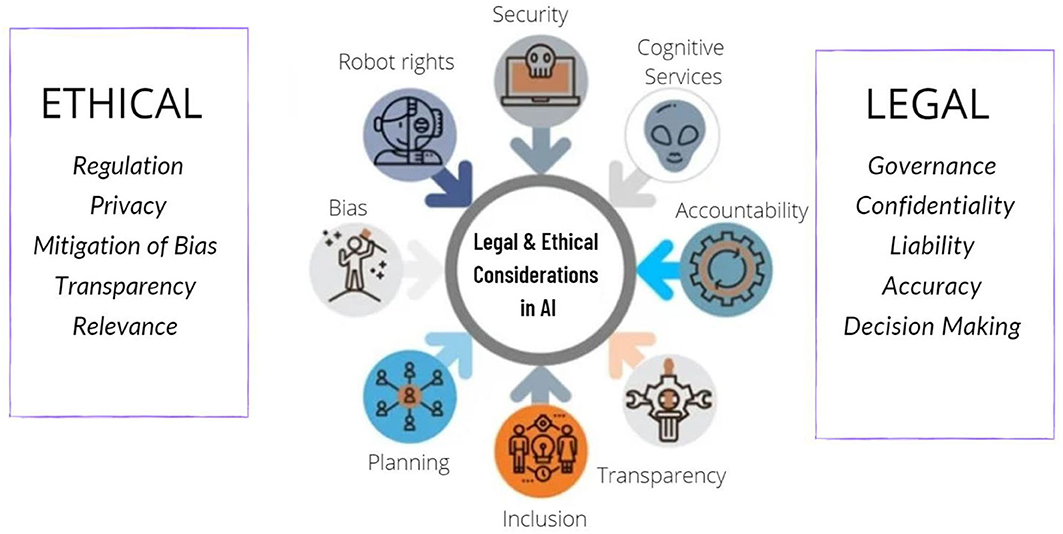
Data privacy is another major concern. While ChatGPT offers immediate feedback, it lacks the confidentiality of a licensed therapist. AI-generated responses are derived from extensive data sets, raising uncertainties about future data usage.
Setting boundaries with AI Therapy
Mental health experts assert that AI can be a valuable tool with defined boundaries. They recommend using ChatGPT for specific, low-risk issues—like workplace communication advice or relaxation techniques—rather than deep emotional processing.
In conclusion, while AI therapy serves its purpose, it cannot replace the essential human connection present in traditional therapy.