Should we fear AI development? – The Muslim Times
15th February 2025
Is this the beginning of the end? Every decade comes with moments that make us wonder whether human civilisation is teetering towards a major catastrophe. From the stories of world war and climate change to political instability and technological shift, it’s easy to feel like the world is coming to an end. But is this really the beginning of the end or merely the next phase in the era of human evolution?
The Current Landscape of AI Development
In this article we dive deep into the current trends in Artificial Intelligence (AI) development, ethical considerations, and the Islamic perspective on its development.
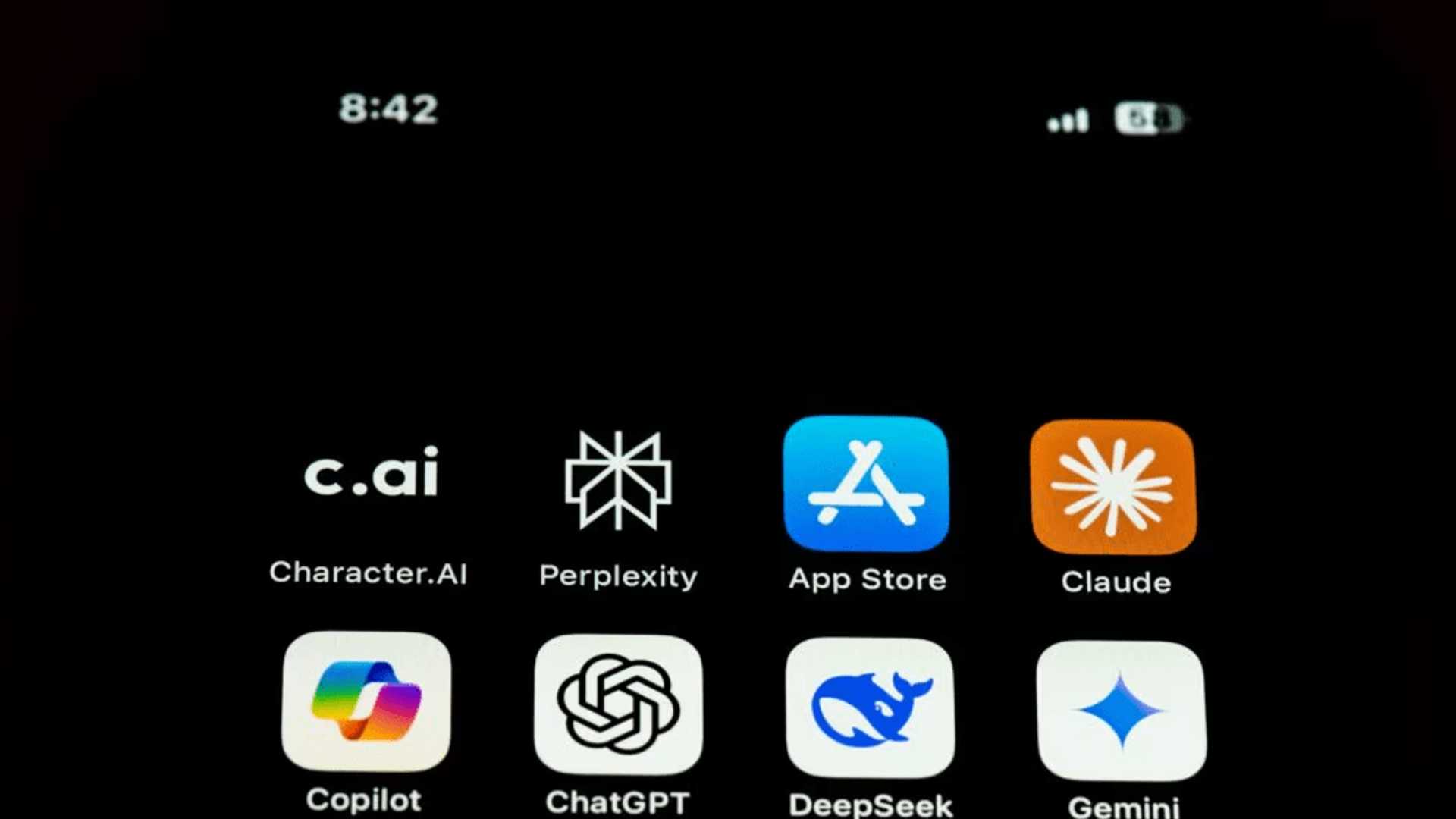
Artificial Intelligence is no longer a futuristic concept; it’s a present reality. The United States and China are at the forefront of a new global race to dominate AI, sparking debates on its benefits and risks.
Just last month, President Donald Trump was sworn-in as the 47th President of the United States, succeeding former President Joe Biden. Days later, he announced a $500 Billion “Stargate Project” – an ambitious AI project that seeks to build massive data centers across the United States. Although the details of the project are still ambiguous, one thing remains certain – the US aims to lead the world in the AI marathon.
Meanwhile, China’s tech industry is also making waves. A Chinese startup recently released DeepSeek-R1, an open-source AI model that rivals OpenAI’s ChatGPT-4. Jose Antonio, a tech analyst, highlights its ability to outperform ChatGPT on several benchmarks, noting its significantly lower cost of $0.14 per million tokens compared to OpenAI’s $7.50. The model’s release has sparked reactions from netizens, and even caused stock markets to crash at one point, contrasting its performance to the OpenAI’s model and its affordability.
The Rise of Artificial General Intelligence (AGI)
The rise of AI is no news anymore. In fact, we are slowly entering the era of Artificial General Intelligence (AGI), a type of AI capable of matching or even surpassing the human-level intelligence across a wide range of cognitive tasks. Open AI CEO, Sam Altman, who spearheads the Stargate Project, recently announced the company’s plan to release its “first AI agent”, which he describes as the “most powerful technology in human history”.

The development of AI, and more recently AGI, is like a double-edged sword, with both a promising future and a potential peril in the history of human existence. The capabilities of AI are now beyond our thoughts and it’s able to perform astonishing tasks. In an article by Will Douglas, a tech analyst, he explains the operation of ‘Operator’, the first AI agent released by OpenAI. It could perform certain online tasks such as booking tickets, making reservations, and filling an online grocery order – all by taking screenshots of the computer screen, scanning the pixels and interacting with the buttons in it.
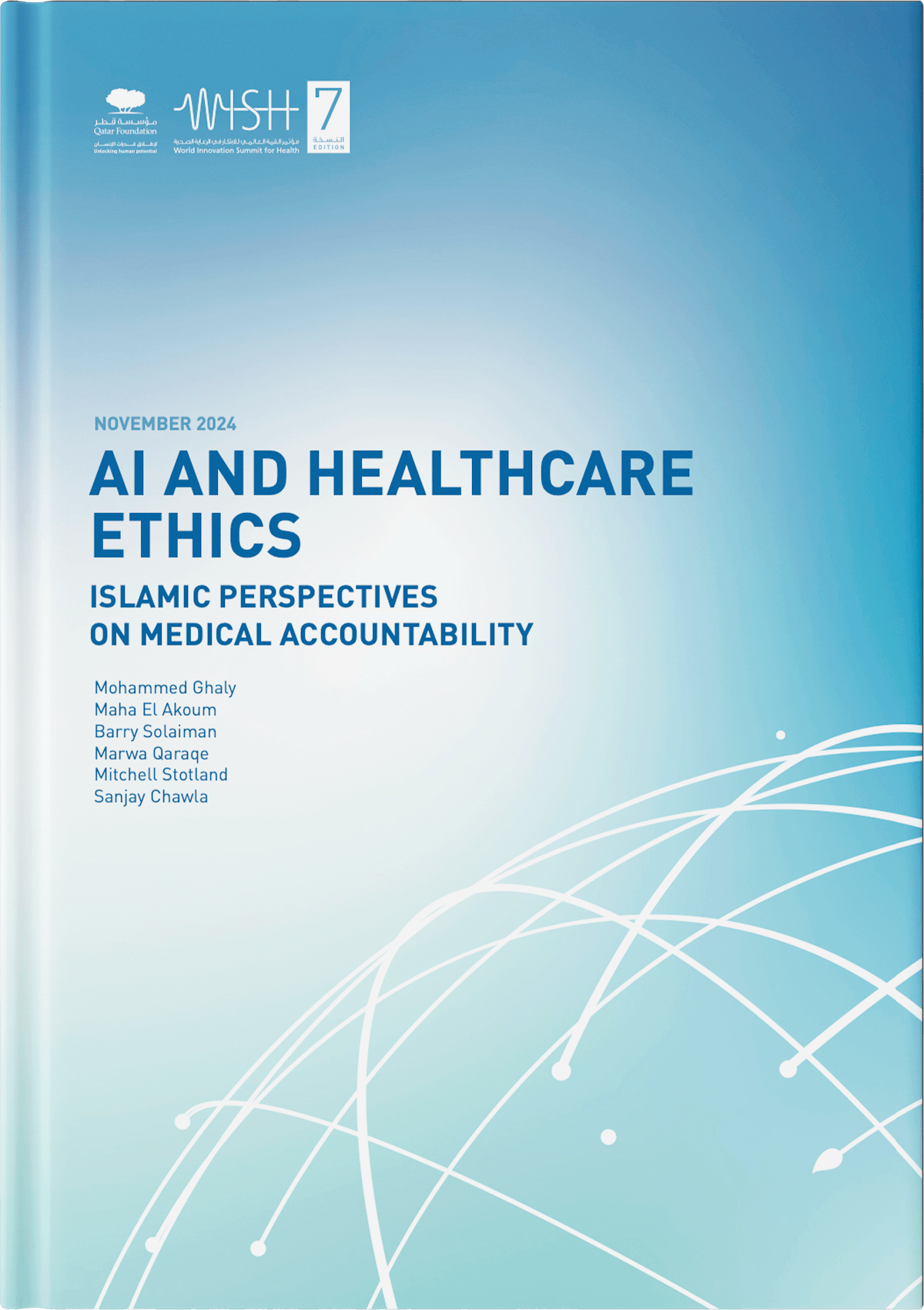
However, these advancements come with concerns. Privacy infringement, misinformation, and unregulated use are just a few risks that worry experts. In an interview with BBC Newsnight, Geoffrey Hinton, the godfather of AI, expressed concerns about the unregulated development of AI which he calls “an existential threat”.

Ethical Considerations and Islamic Perspective
In light of these concerns, it is essential to consider the ethical guidelines provided by the teachings of Islam. The Holy Quran encourages the study of nature and the use of knowledge for the benefit of humanity:
“Do they not reflect in their own minds? Allah has not created the heavens and the earth and all that is between the two but in accordance with the requirements of wisdom and for a fixed term. But many among men believe not in the meeting of their Lord.” (Surah ar-Rum, Ch.30: V.9)
Yet, the Holy Quran warns humanity to not orchestrate its own destruction:
“[…] and cast not yourselves into ruin with your own hands” (Surah al-Baqarah, Ch.2: V.196)
An apt analogy for humanity orchestrating its own destruction is the Manhattan Project, which led to the creation of the first atomic bomb. Even Robert Oppenheimer, the scientist behind its development, expressed deep regret after learning about the devastating effects of the bomb.
In a similar vein, the pioneers of artificial intelligence are now raising concerns about its rapid development. With the alarming rise of AI, it seems as though history is about to repeat itself.
Allah the Almighty has created us with freewill. He further blessed us with faculties to distinguish right from the wrong:
“And We have pointed out to him the two highways [of good and evil].” (Surah al-Balad, Ch.90: V.11)
In a similar manner, the Promised Messiahas has emphasised the use of God-given faculties at the appropriate time and place. (Malfuzat [2018], Vol. 1, p. 34)
The Holy Quran also particularly emphasizes the significance of verifying information:
“O ye who believe! if an unrighteous person brings you any news, ascertain [the correctness of the report] fully, lest you harm a people in ignorance, and then become repentant for what you have done.” (Surah al-Hujurat, Ch.49: V.7)
This verse is particularly relevant in this modern era where there is count