ChatGPT's Creepy Personalization: AI Chatbot Sparks Privacy Fears
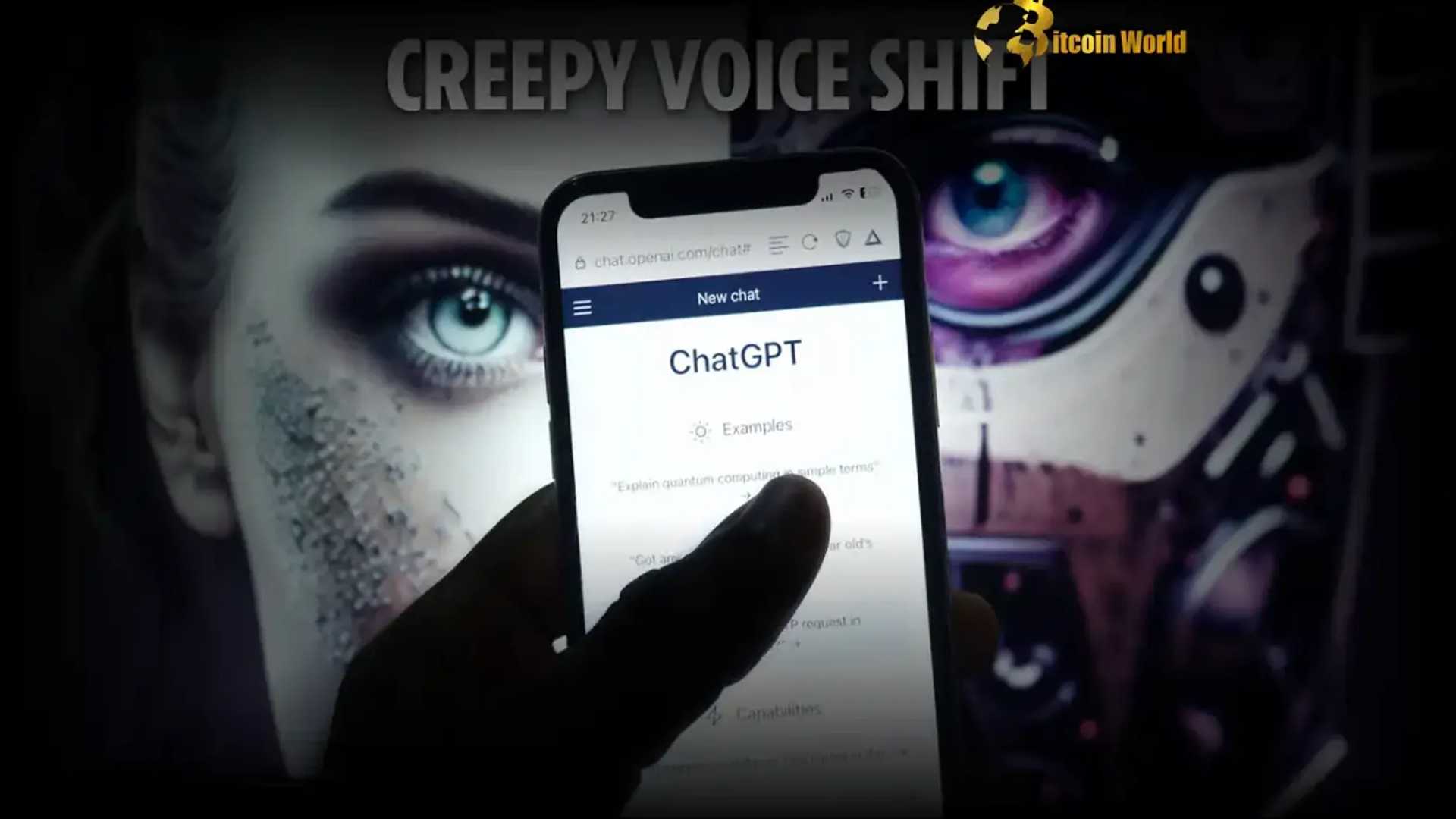
In the fast-evolving world of AI Chatbot technology, users are constantly seeking more personalized and intuitive interactions. However, recent developments with ChatGPT have sparked a debate, with some users finding the latest feature not just personalized, but downright unsettling. Imagine having a conversation with ChatGPT, and suddenly, it starts referring to you by your name – a name you never explicitly provided. This isn’t science fiction; it’s the reality for some ChatGPT users, and the reactions are as varied as they are strong.
Is this a leap forward in AI personalization or a step into the ‘creepy AI‘ territory? Let’s delve into this intriguing and slightly unnerving phenomenon.
The Evolution of ChatGPT's Personalization
The core question on everyone’s mind is: why is ChatGPT, an AI Chatbot developed by OpenAI, suddenly adopting this personalized approach? This behavior wasn’t always the norm. Previously, interactions with ChatGPT felt more transactional and less personal. Now, users are reporting instances where the AI Chatbot seems to pull their names out of thin air, using them within its reasoning process. This change raises several important questions about how OpenAI is evolving its models and what it means for user privacy and the future of AI personalization.
User Reactions and Concerns
For many, the unprompted use of their name by ChatGPT triggers an ‘creepy AI‘ sensation. This isn’t just about a machine using a name; it’s about the perceived intent and implications behind it. Several users have voiced their discomfort, highlighting the uncanny valley effect – where something that is almost human, but not quite, creates a feeling of unease and revulsion.
These reactions aren’t just about names; they touch upon deeper concerns about AI Personalization and the boundaries of technology in our personal space. The ‘creepy AI‘ label stems from the feeling that ChatGPT is attempting a level of intimacy that feels inauthentic and possibly manipulative.
Insights and Perspectives
OpenAI’s CEO, Sam Altman, has hinted at future AI systems that will “get to know you over your life” to become “extremely useful and personalized.” The intention behind this direction is clear: to make AI Chatbots like ChatGPT more helpful and integrated into our daily lives. However, the current backlash against the name-using feature highlights a significant challenge – navigating the uncanny valley in AI personalization.
The Valens Clinic, a psychiatry office in Dubai, offers an insightful perspective on why this AI personalization attempt might be backfiring. Their analysis points to the nuanced psychology of names.
Challenges and Considerations
The core issue seems to be the ham-fisted approach to AI personalization. Users aren’t necessarily against personalization, but they are sensitive to feeling manipulated or as though the AI Chatbot is pretending to be something it’s not. The analogy of a toaster calling you by name resonates because it underscores the absurdity of expecting or wanting personal intimacy from inanimate objects or, in this case, from an AI Chatbot.
As of now, OpenAI has not officially responded to requests for comment regarding this new AI personalization feature in ChatGPT. This silence leaves users and experts to speculate about the intentions and future direction of OpenAI’s development.
The Future of AI Personalization
The reactions to ChatGPT’s name-using feature serve as a valuable lesson for the AI industry. While AI personalization holds immense potential to enhance user experience and make technology more accessible and user-friendly, it must be implemented thoughtfully and ethically. Transparency, user control, and a deep understanding of user psychology are paramount to ensure that AI personalization efforts are welcomed rather than perceived as ‘creepy AI‘.
Disclaimer: The information provided is not trading advice, Bitcoinworld.co.in holds no liability for any investments made based on the information provided on this page. We strongly recommend independent research and/or consultation with a qualified professional before making any investment decisions.