
Tech industry tried reducing AI's pervasive bias. Now Trump wants ...
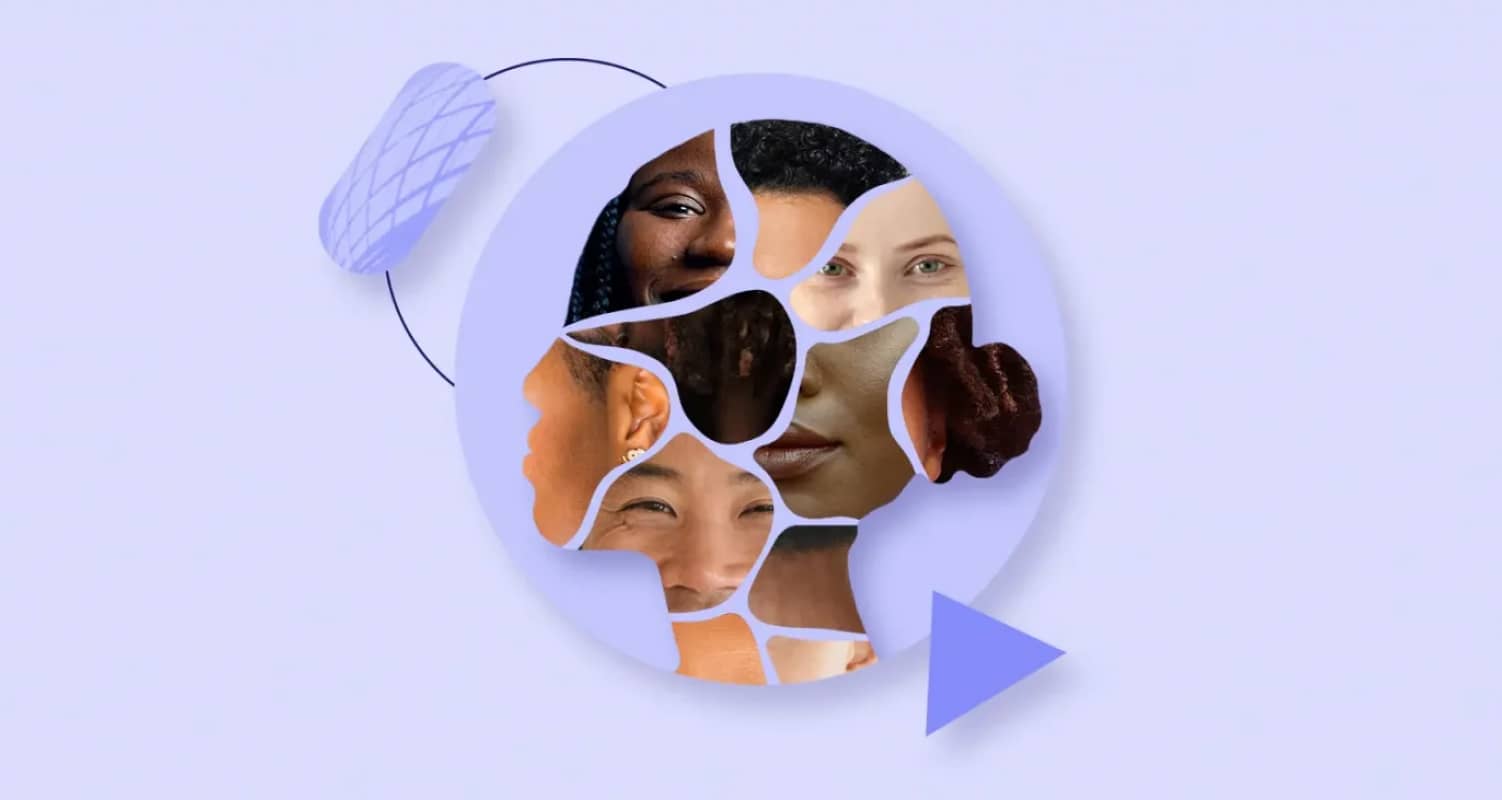
After retreating from their workplace diversity, equity and inclusion programs, tech companies could now face a second reckoning over their DEI work in AI products. In the White House and the Republican-led Congress, "woke AI” has replaced harmful algorithmic discrimination as a problem that needs fixing. Past efforts to “advance equity” in AI development and curb the production of “harmful and biased outputs” are a target of investigation, according to subpoenas sent to Amazon, Google, Meta, Microsoft, OpenAI and 10 other tech companies last month by the House Judiciary Committee.
Concerns Over AI Bias
In some ways, tech workers are used to a whiplash of Washington-driven priorities affecting their work. The latest shift has raised concerns among experts in the field, including Harvard University sociologist Ellis Monk, who several years ago was approached by Google to help make its AI products more inclusive. Back then, the tech industry already knew it had a problem with the branch of AI that trains machines to “see” and understand images.

Google adopted a color scale invented by Monk that improved how its AI image tools portray the diversity of human skin tones, replacing a decades-old standard originally designed for doctors treating white dermatology patients. While efforts like the Monk Skin Tone Scale have made a positive impact, there are concerns about future initiatives and funding to make technology more inclusive for everyone.
Political Influence on AI Development
Trump's administration has cut hundreds of science, technology, and health funding grants touching on DEI themes, raising questions about its influence on the commercial development of AI products. The investigation into AI companies aims to uncover whether there was any coercion or collusion related to censorship of lawful speech.
Before Biden took office, research and personal anecdotes were already shedding light on the harms of AI bias. Biden's election led some tech companies to accelerate their focus on AI fairness. However, challenges persist, as seen in the flawed product rollout of Google's Gemini AI chatbot, which inadvertently perpetuated stereotypes through its image generation.
Addressing Ideological Bias in AI
The Trump administration's new focus on AI's “ideological bias” is sparking conversations about addressing algorithmic bias that can affect various aspects of people's lives. However, the denigration of equitable AI initiatives may hinder collaboration in addressing these issues.
In conclusion, the tech industry continues to navigate challenges related to AI bias, seeking to create more inclusive and equitable technology solutions amidst evolving political landscapes.








