What Happens to Your Brain When You Use ChatGPT? Scientists...
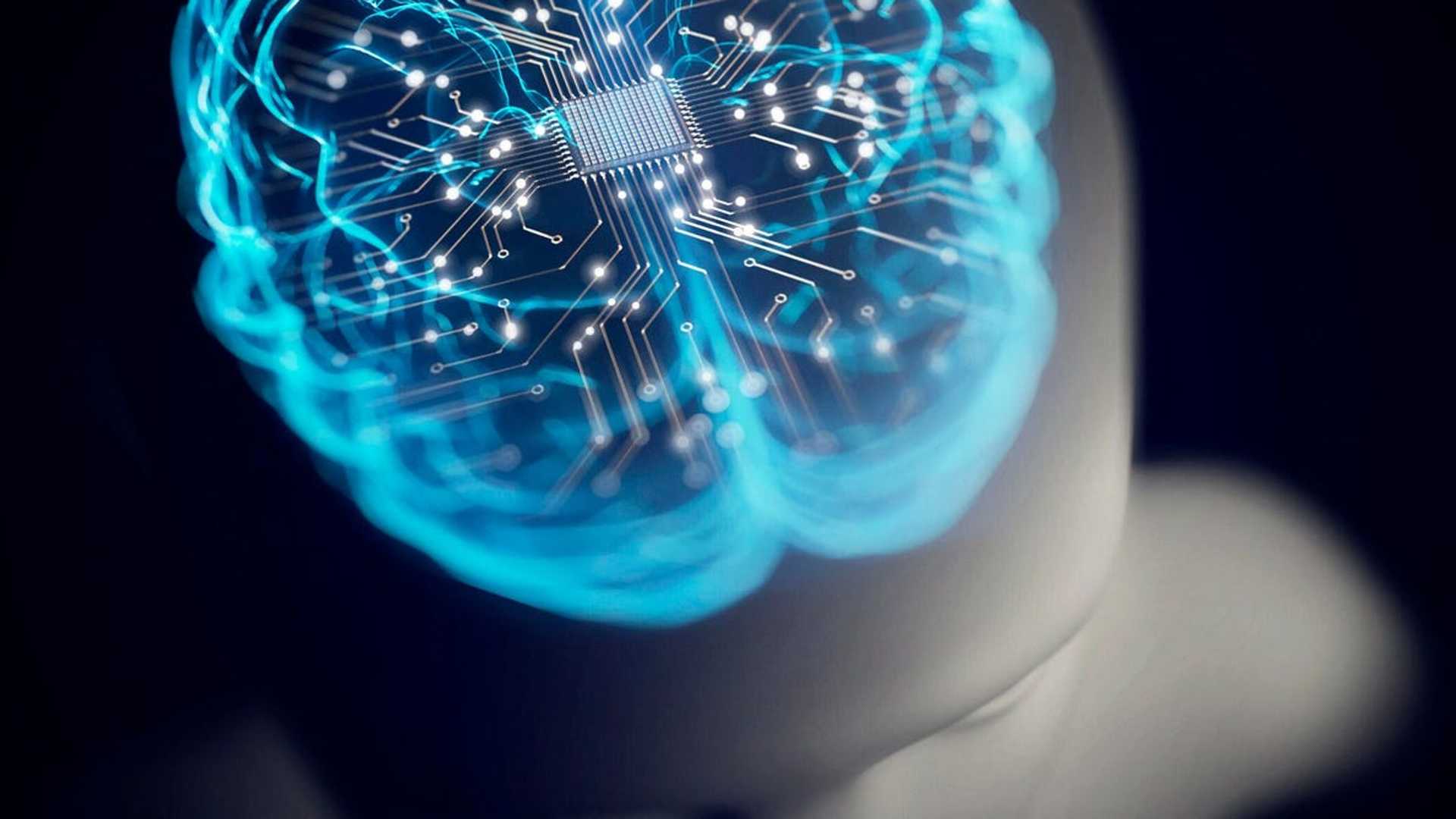
An MIT study has shed light on the impact of using generative AI on brain function, particularly when it comes to tasks like essay writing. The study revealed that leveraging tools like ChatGPT can alter the way our brains work, influencing memory retention and cognitive processes.
The Study and Its Findings
The MIT study, which involved 54 participants, explored how individuals approached essay writing with and without the assistance of AI tools. Participants were divided into three groups: one group utilized ChatGPT, another used a standard search engine (Google), and the third relied solely on their own cognitive abilities.
Analysis of the essays produced by each group showcased distinct differences in writing style and content. Those who used their brains exclusively demonstrated more originality and better recall abilities compared to those who heavily relied on AI-generated content.
Interviews conducted post-writing revealed that individuals using AI tools struggled with recalling and quoting their own work, indicating a potential impact on memory and authorship. Additionally, EEG results displayed varying levels of neural connectivity among the groups, with the brain-only participants exhibiting higher activity levels.
Implications and Future Research
While some may view AI tools as efficient aids in task completion, the study suggests that overreliance on such technologies could hinder cognitive autonomy and knowledge internalization. Researchers emphasized the need for a balanced approach that encourages learners to engage in independent cognitive efforts before integrating AI support.
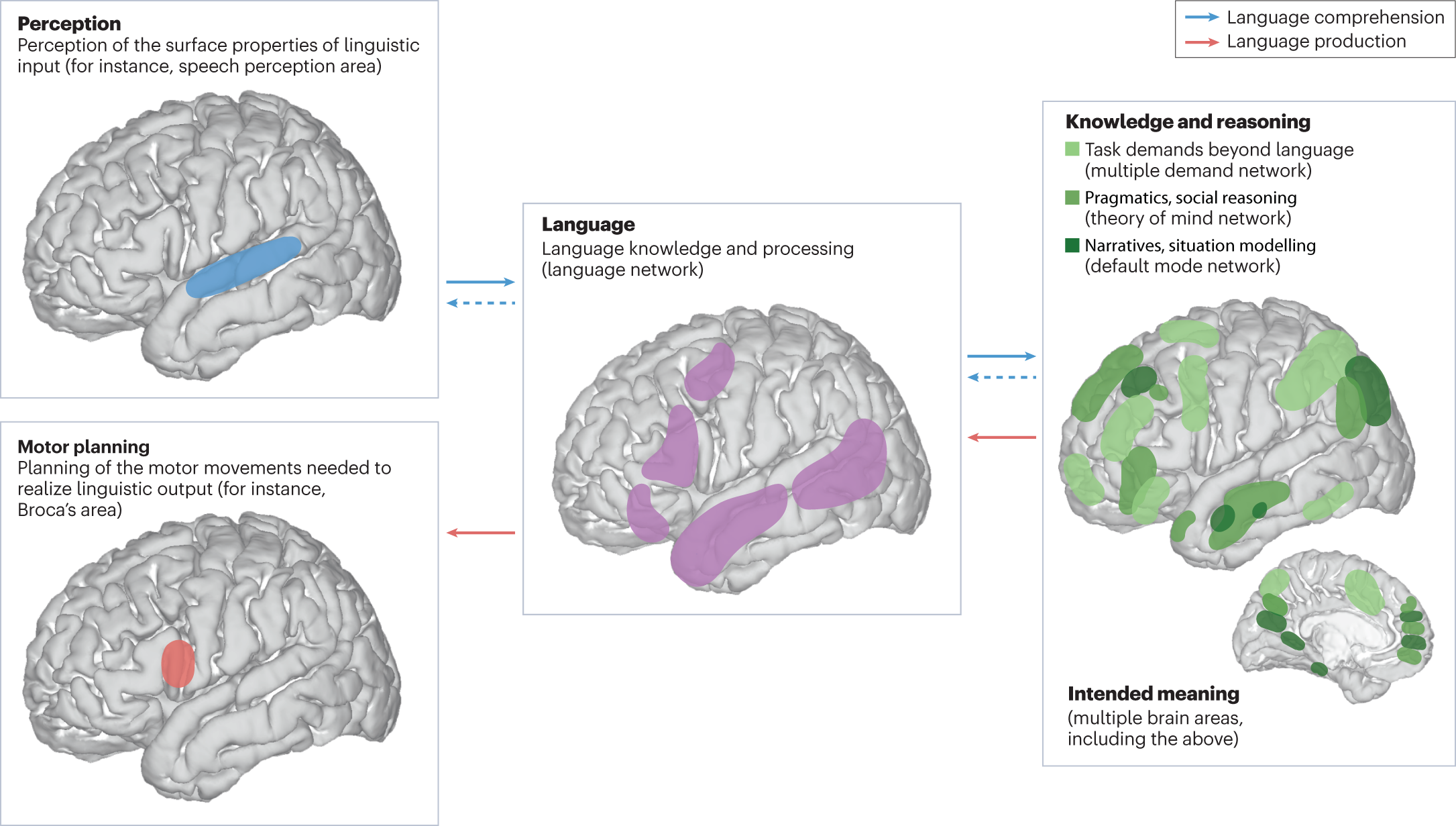
Looking ahead, further research is warranted to explore the broader effects of AI utilization across different tasks and contexts. Understanding how tools like ChatGPT impact brain function over time requires longitudinal studies and advanced neuroimaging techniques such as functional magnetic resonance imaging (fMRI).
Insights from Other Experts
Genevieve Stein-O'Brien, an assistant professor of neuroscience at Johns Hopkins University, noted that the brain's foundational development occurs early in life, suggesting that the immediate effects of AI use may not have a substantial long-term impact. However, the increasing interaction of children with AI technology raises ethical considerations and the need for targeted research.
Ultimately, while AI tools like ChatGPT offer convenience and efficiency, their impact on cognitive processes, memory retention, and critical thinking skills underscores the importance of striking a balance between technological assistance and independent thought.