ChatGPT in the pulpit: Australian conference hears about AI's impact on preaching
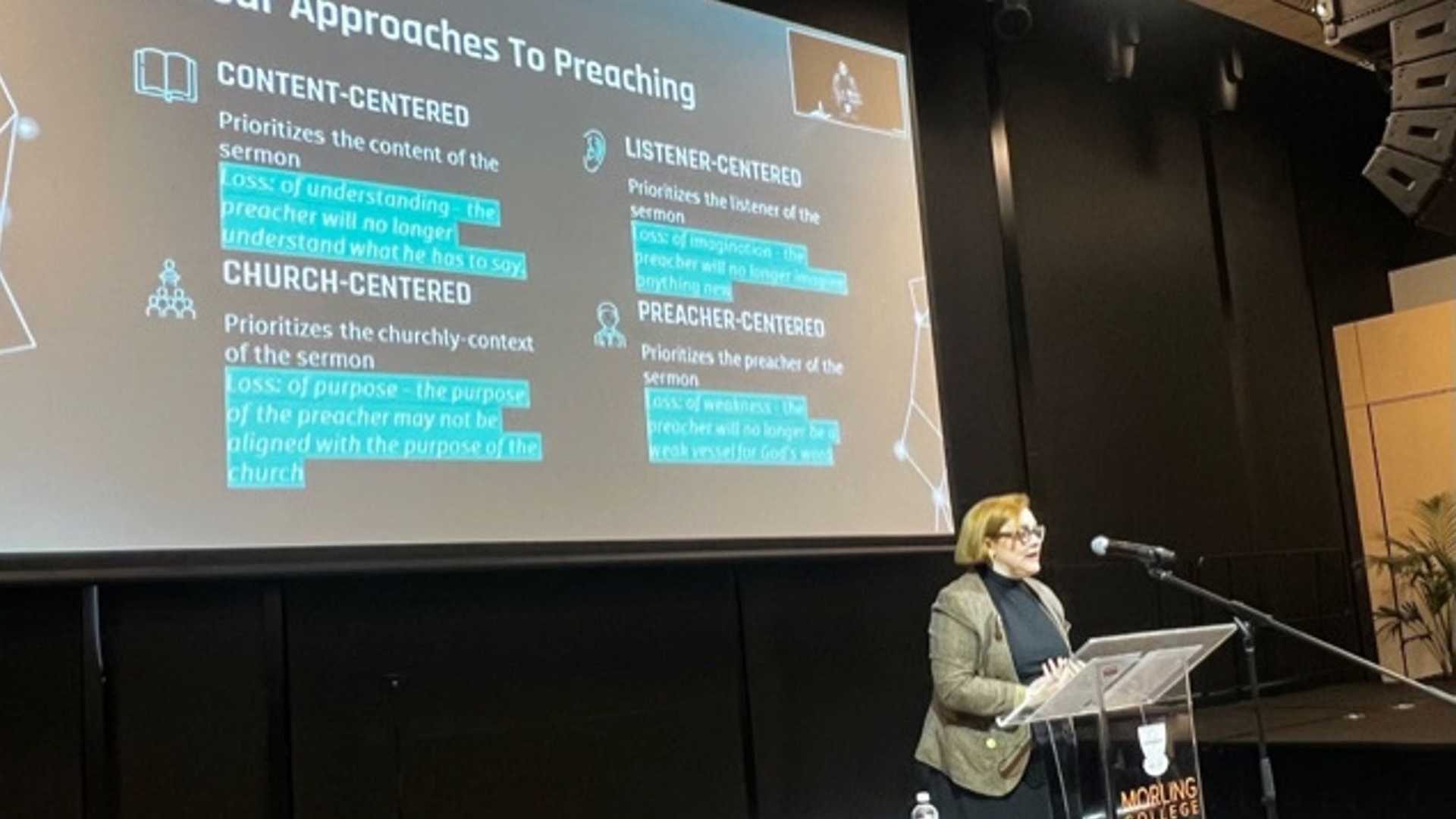
Pastors attending a conference in Sydney this week were urged not to fear artificial intelligence but to consider its implications thoughtfully. Rev Alison Gerber, a keynote speaker at the Authentic Preaching in an Artificial Age conference, emphasized the need for pastors to engage with AI in a wise and theological manner.

The conference, hosted at Morling College, brought together around 40 pastors and students in person, with an additional 15 participants joining online. Gerber, currently pursuing a PhD at Truett Theological Seminary at Baylor University, shared insights from her research on human preaching in the context of AI.
The Impact of AI on Preaching
Gerber delved into the capabilities and limitations of ChatGPT, highlighting that while AI can provide data-driven insights, it falls short in areas that require forward-thinking and theological depth. She pointed out that AI lacks the ability to grasp the essence of theological inquiries and is constrained by past experiences in its problem-solving approach.

She emphasized that AI's algorithmic nature prevents it from engaging with fundamental questions of faith and imagination. Gerber underscored the importance of human creativity and empathy in building a church community, aspects that AI may overlook due to its inherent biases and limitations.
Embracing Human Authenticity in Preaching
While acknowledging AI's potential to enhance certain aspects of preaching, Gerber stressed that the authenticity and vulnerability of human preachers are irreplaceable. She highlighted the unique role of pastors in embodying the truths they preach and connecting with their congregation on a personal level.

According to Gerber, the ongoing exploration of AI's collaboration with humans presents an opportunity for pastors to leverage technology while preserving the distinctiveness of human expression in preaching.
As she concluded, Gerber reflected on the nuanced balance between leveraging AI tools like ChatGPT for certain tasks while recognizing the enduring value of human interpretation and engagement in the sacred practice of preaching.