Copyright and AI: 7 recommendations to the UK (and the EU alike ...)
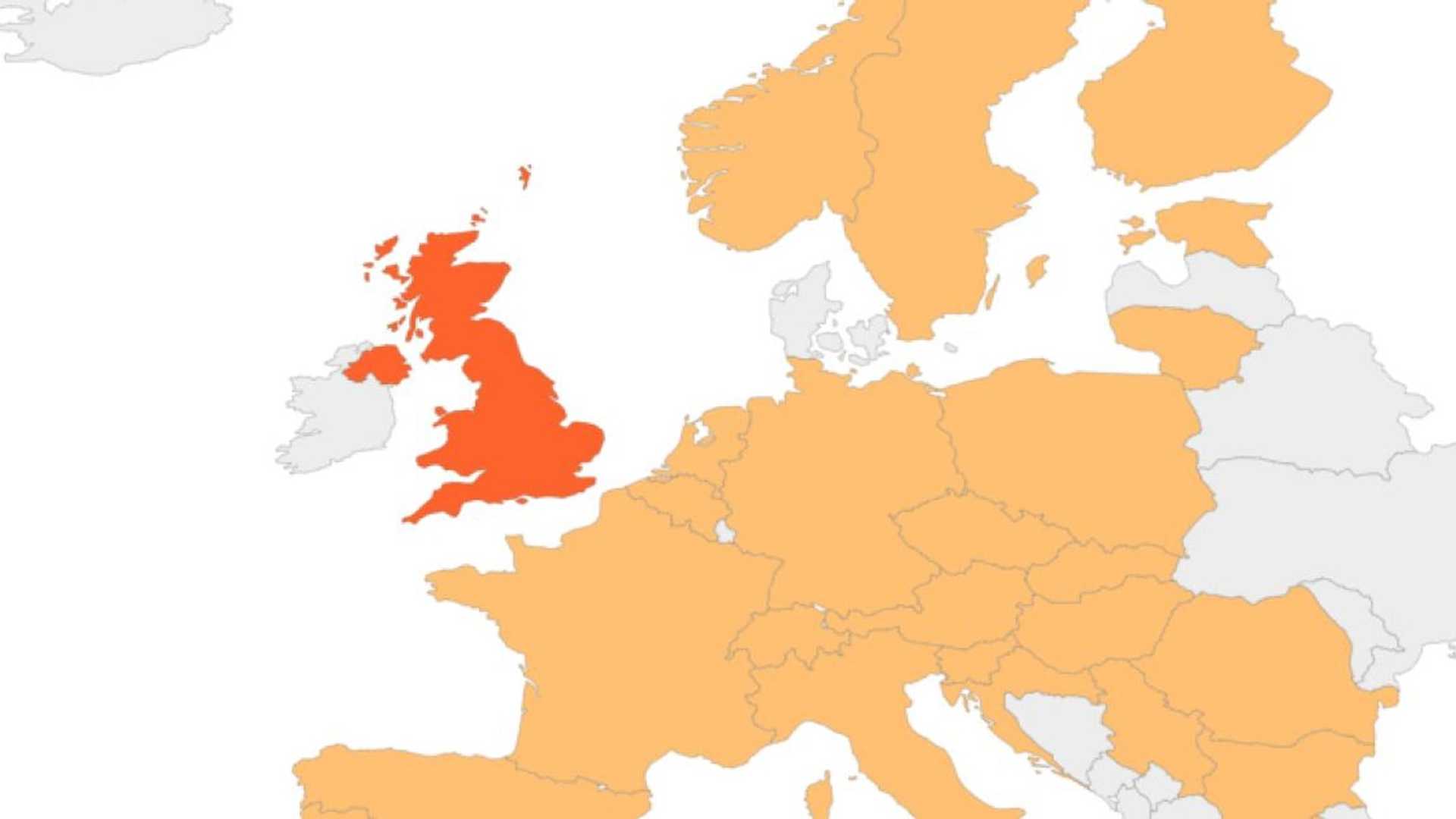
On 25 February, the SAA submitted its response to the UK’s public consultation on copyright and artificial intelligence. The UK proposes to introduce an exception for AI training with the possibility of rights reservations, similar to the EU. We responded that an exception for AI training is far from helpful in achieving the UK’s (and the EU’s) objective of promoting innovation while protecting the creative sector. Collective licensing is the most acceptable solution. This text is based on the SAA’s submission to the UK consultation and outlines our 7 key recommendations to the UK (and the EU alike).
Concerns and Recommendations
A study by CISAC has estimated that audiovisual authors will lose 21% of their revenues between now and 2028, while the market for AI-generated content will increase from €3 billion to €64 billion over the same period. To stop this trend that is impoverishing the creative sector, authors should be remunerated for their work used in the context of AI.

AI developers should seek licensing of the works subject to the opt-out. While this should be the basic practice, the situation in the EU already tells us that this is far from happening. Even in the presence of a reservation of rights, the works are still being used, only further alimenting the growing number of court cases against AI companies and creating an atmosphere of distrust by authors towards AI companies.
Transparency and Accountability
The wordings ‘machine readable’ used by the EU legislator creates uncertainty and gives AI companies the chance to not follow a rights reservation declaration. Moreover, legislation should clarify who is in charge of this rights reservation declaration and where it should appear. Additionally, pushing standards such as robots.txt, or more generally establishing a rights reservation scheme, as the EU is trying to do, is merely giving the chance to AI companies to escape their liabilities.
Licensing and Remuneration
The current market of licensing of audiovisual works for AI training is practically inexistent. It is therefore imperative to introduce measures that oblige AI companies to conclude licenses and remunerate authors for the use of copyright-protected works. Collective management solutions are the best way to ensure that AI companies can obtain permission from CMOs to use entire repertoires and that the revenues generated from this use are duly shared between the authors.
Human Creativity and Protection
One of the founding principles of copyright protection is the incentivization of human creativity. The need for protection to incentivize the production of generative AI outputs does not seem to apply in this case. Creation with the assistance of technology has been common for long and has proved to be helpful in the creative sectors. AI-assisted creation would however always need human intervention and direction. Eligibility for copyright protection should continue relying on the originality and the creative choices of human beings.

Considering the dangers of AI outputs being infringing, and the difficulties in controlling end-users’ behaviors, licensing of works should cover AI outputs as much as AI inputs, and AI providers should enact technological measures, including keyword filtering, to reduce the dangers of reproduction of works (in full or in part) in the output.