Introducing Google's Veo 2 AI Video Model for Gemini Advanced and Google One AI Premium Users
Google has recently introduced a new AI-powered video generation tool that allows users to create and animate videos using advanced technology. This innovative tool, known as Veo 2, is now available for Gemini Advanced and Google One AI Premium subscribers.
The Features of Veo 2
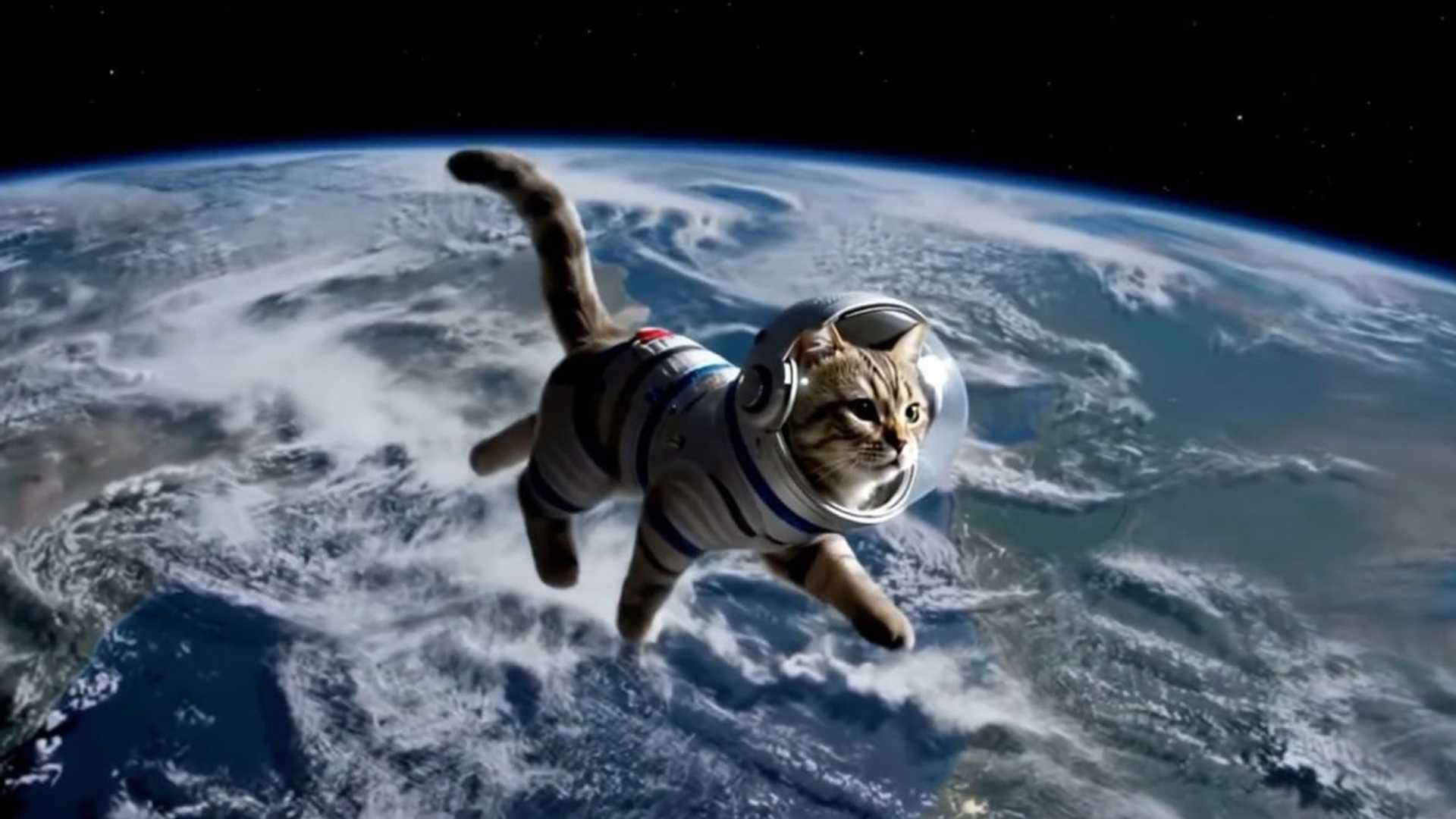
Originally unveiled by Google in December, Veo 2 boasts enhanced capabilities in understanding real-world physics, human emotions, and the generation of specific types of shots such as low angle, close-up, and shallow depth of field. While Veo 2 can produce 4K videos of varying lengths, Gemini Advanced users are limited to creating eight-second videos at 720p resolution.

Usage and Limitations
Users are cautioned that there is a monthly limit on the number of videos that can be generated using Veo 2, although Google has not disclosed the exact cap. Instead, users will receive a warning when they approach their limit, though transparency on this aspect may be lacking.
Access to Veo 2
Gemini Advanced users can directly utilize Veo 2 within the Gemini platform, while Google One AI Premium subscribers have the option to access the model through Whisk, Google's AI media generator. Additionally, with the rollout of Veo 2, Google is introducing Whisk Animate, a feature that leverages Veo 2 to animate images created with Whisk.
Getting Started with Veo 2
To begin using Veo 2 through Gemini, users can initiate the tool via Google's chatbot and select "Veo 2" from the model dropdown. Users can then prompt the AI with specific video ideas, keeping in mind the eight-second limit. If Veo 2 is not immediately available, users are advised to wait for the full rollout, which may take a few weeks.

For Google One AI Premium subscribers, Veo 2 can be accessed through labs.google/whisk. Users can generate images using Whisk and subsequently animate them by selecting the "ANIMATE" option and providing instructions to the AI.
Performance and Considerations
While the demos of Veo 2 showcase its ability to adhere to user prompts, there are instances of AI-generated video artifacts such as visual glitches and imperfect animations. While the feature allows for the creation of brief animations from any image, the practical applications may be limited, especially given the subscription-based access.

Overall, Google's Veo 2 AI video model presents an intriguing tool for video creation and animation, catering to users seeking automated video generation solutions. As the technology continues to evolve, users can expect further enhancements and refinements to the Veo 2 experience.